In brief
Keir Starmer's position as Prime Minister hangs by a thread as he faces a leadership crisis triggered by the fallout from his appointment of Peter Mandelson, who had ties to the late Jeffrey Epstein. After losing his chief of staff amidst calls for his resignation, Starmer's future hinges on a crucial address to Labour lawmakers, seeking to mend frayed relations. With Labour lagging in polls, internal party dissent grows louder, reflecting broader concerns over his leadership capabilities.
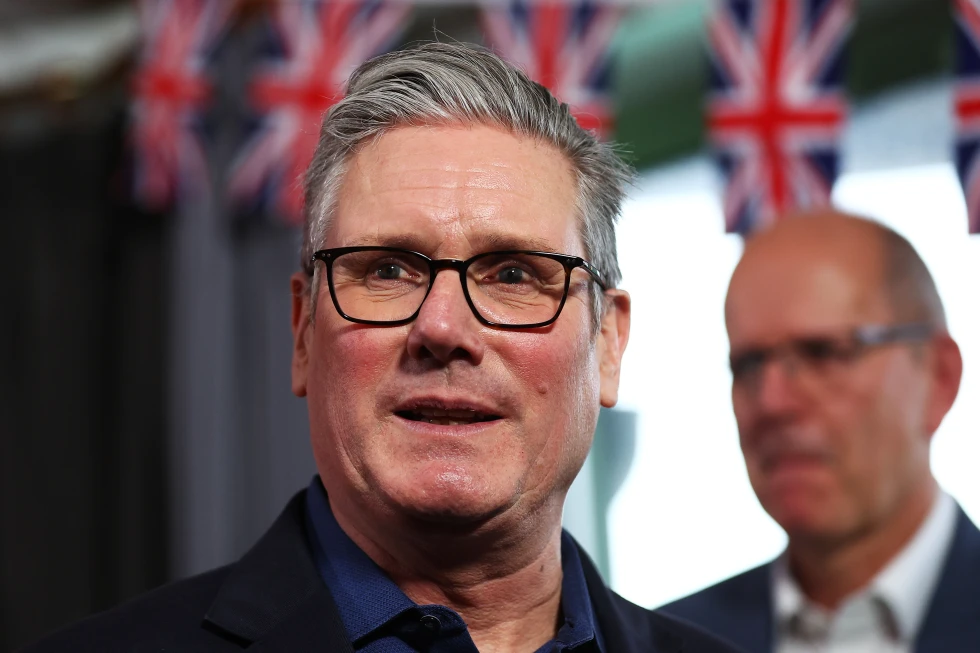
LONDON — British Prime Minister Keir Starmer's position is precarious as he faces mounting pressure from within his own Labour Party to resign. This latest political drama erupted following the revelation of his appointment of Peter Mandelson, a former British ambassador, who had controversial ties to the late financier Jeffrey Epstein.
In the aftermath of losing his chief of staff, Morgan McSweeney, to the fallout, Starmer is scheduled to address Labour lawmakers behind closed doors to salvage his authority. McSweeney took responsibility for Mandelson's appointment and resigned after public outcry over the implications of that decision.
Critics argue Starmer should have been aware of Mandelson’s questionable past before placing him in such a high-profile role. Starmer publicly apologized for believing Mandelson’s lies and announced an intention to provide documentation about the appointment soon.
Amidst this turmoil, a newly released batch of Epstein files in the U.S. has intensified calls for accountability, directing further scrutiny toward Starmer and his judgment calls since taking office. Police are investigating the potential misconduct of Mandelson concerning sensitive government information he allegedly shared with Epstein years ago, leading to discussions about severe consequences if charges are filed.
As Starmer steps into his biggest test yet, party members are divided on their support. Some believe that McSweeney's resignation might help Starmer recalibrate his leadership approach, while others insist it highlights his instability and loss of grip over party dynamics.
With Labour trailing in polls behind the hard-right Reform UK party, the pressure on Starmer to stabilize his administration and fulfill economic and public service promises grows ever stronger. Internal critiques are not limited; outside observers, including Conservative leader Kemi Badenoch, have expressed doubt about Starmer's viability following a series of missteps in leadership and policy direction.
In the UK’s parliamentary system, a prime minister can be challenged and replaced without a national election, raising the stakes for Starmer as he navigates this crisis. As the political landscape shifts, the coming days will be critical in determining whether he can retain his post or whether leadership challenges will arise.