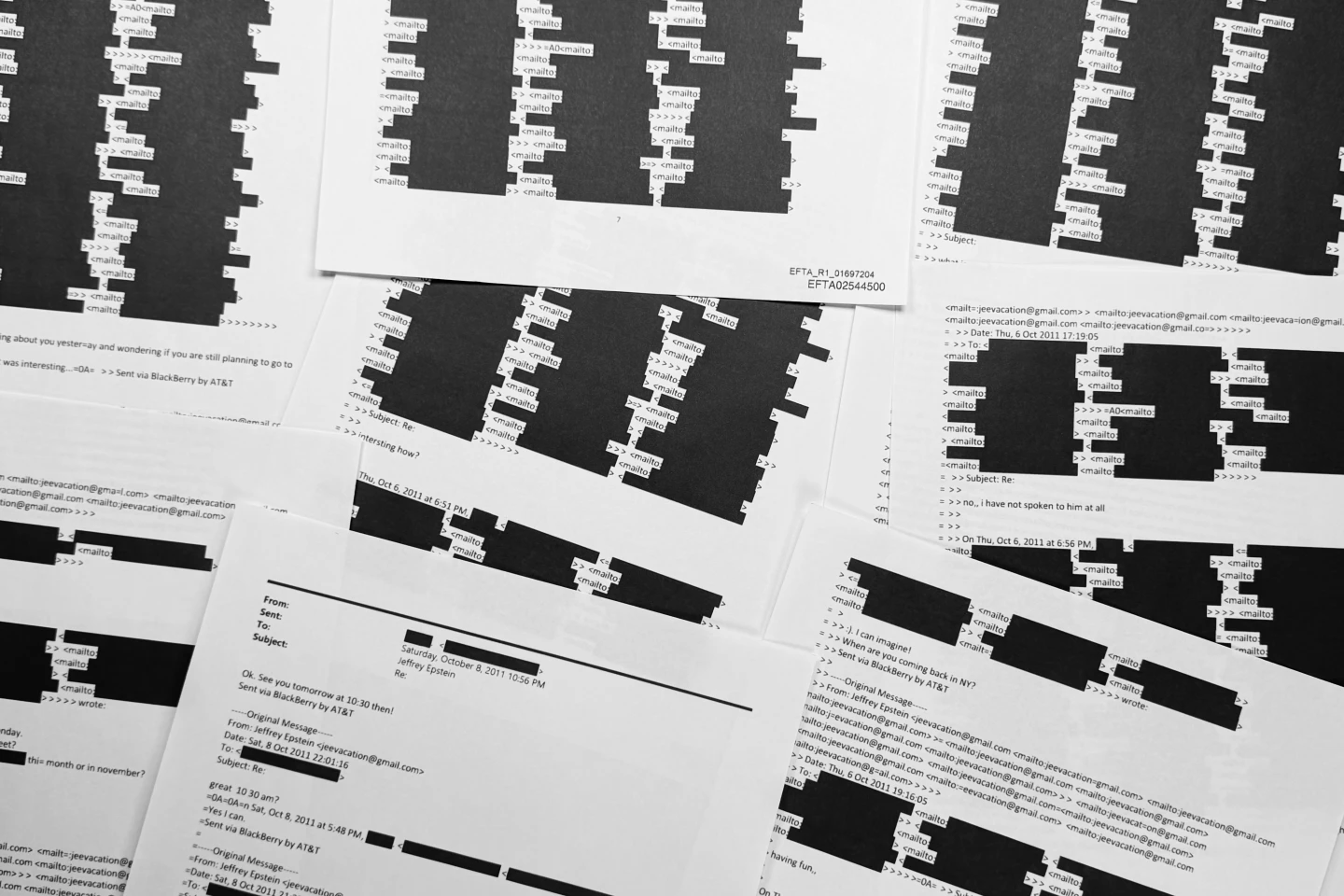
NEW YORK (AP) — The latest release of Jeffrey Epstein files by the U.S. Justice Department uncovers a host of redaction failures, raising concerns about the protection of victims’ identities. Sensitive details—including names, photographs, and personal contact information—have been inadequately secured.
Planned redactions for privacy seem to have been overlooked, with instances of uncensored nude photos, as well as explicit victim information being inadvertently disclosed. Victims and their advocates are understandably outraged at the lack of diligence assurances that their privacy would be upheld in this highly-publicized case.
Despite directives aiming to obscure identifying features, many images remain problematic. A notable failure includes revealing photographs of women in compromising situations, which the Justice Department had stated would be redacted.
A public outcry has emerged, demanding not only accountability but also greater oversight to ensure such breaches do not propagate further harm. Victims’ advocates have stressed the emotional and psychological impact of these oversights, which complicate recovery and justice.
Moving forward, lawyers from various representatives of victims are calling for the DOJ to appoint an independent monitor to supervise future releases and ensure all materials protect the identities and dignity of those involved.
The Justice Department, acknowledging the errors, has stated their intent to address these issues and reissue the documents with the necessary protections. Nonetheless, the speed and nature of the document review process, which was expedited under legal mandates, continues to come under scrutiny.
As the investigation unfolds, the implications of these redaction errors ripple across the legal community and society, igniting a conversation about the protection of sexual abuse victims in legal processes.