In brief
The UK government has outlined its comprehensive strategy to phase out animal testing, pledging to halt specific animal safety tests by the end of the year while reducing the use of dogs and non-human primates by at least 35% by 2030. The initiative is bolstered by innovations in human cell cultures, AI, and computer simulations, aiming for a more humane approach to medical research as part of broader environmental and ethical commitments.
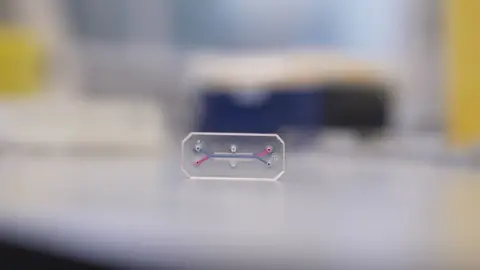
The UK government has detailed its plan to phase out animal testing, a commitment made in its manifesto. The strategy includes ending animal testing for certain safety tests by the end of this year and reducing the use of dogs and non-human primates in human medicine testing by at least 35% by 2030.Science Minister Lord Vallance emphasized the need for modern methods, stating, This is a moment to really grasp that and drive these alternative approaches. Current animal-based testing peaked in 2015 at 4.14 million, but numbers have since decreased significantly as alternative methodologies develop.The new initiative will transition to lab approaches utilizing human cells and tissues, alongside innovative technologies such as organ-on-a-chip models. The government aims to replace existing tests such as the 'pyrogen test', which used rabbits, with in vitro methods involving human immune cells.While the initiative has garnered support from organizations like the RSPCA, some scientists voice concerns about the feasibility of completely eliminating animal testing due to the complexity of biological systems. Prof. Frances Balkwill from Barts Cancer Institute argues that while non-animal methods are promising, they still cannot fully replace the nuances of studying living organisms.The plan includes establishing a new Centre for the Validation of Alternative Methods and a commitment of £30 million in funding to facilitate research into alternative testing methods, reinforcing a significant step forward in scientific and ethical practices in research.