In brief
President Trump has rolled back parts of a sanctions law designed to weaken Russia after its invasion of Ukraine, citing national interest. The move comes after he announced plans to import Russian diesel to lower U.S. fuel costs ahead of the mid‑term elections. Politicians from both parties criticized the decision, warning that easing sanctions could help Russia and compromise efforts to cut emissions. The sanctions law, named for the late Senator Lindsey Graham, targeted Russian oil buyers and forced hefty tariffs on the industry. Biden advocates argue that resuming diesel imports could undermine America’s transition to clean energy and inflate greenhouse‑gas emissions.
In a sharply controversial move, President Donald Trump signed an executive order last Friday that would repeal several sanctions on Russia that Congress had recently enacted to punish Moscow for its war in Ukraine. President Trump said that protecting what he called the ‘national interests’ of the United States required easing these restrictions before the sanctions were set to take full effect on the 18th of October.
The new law, known as the Lindsey Graham Sanctions Act, was designed to cripple the Russian economy by targeting its oil and gas sector and putting heavy tariffs on the top five importers of Russian crude, primarily China and India. It also sanctioned senior Russian officials, banks, and the fleet that helps Russian exports skirt sanctions.
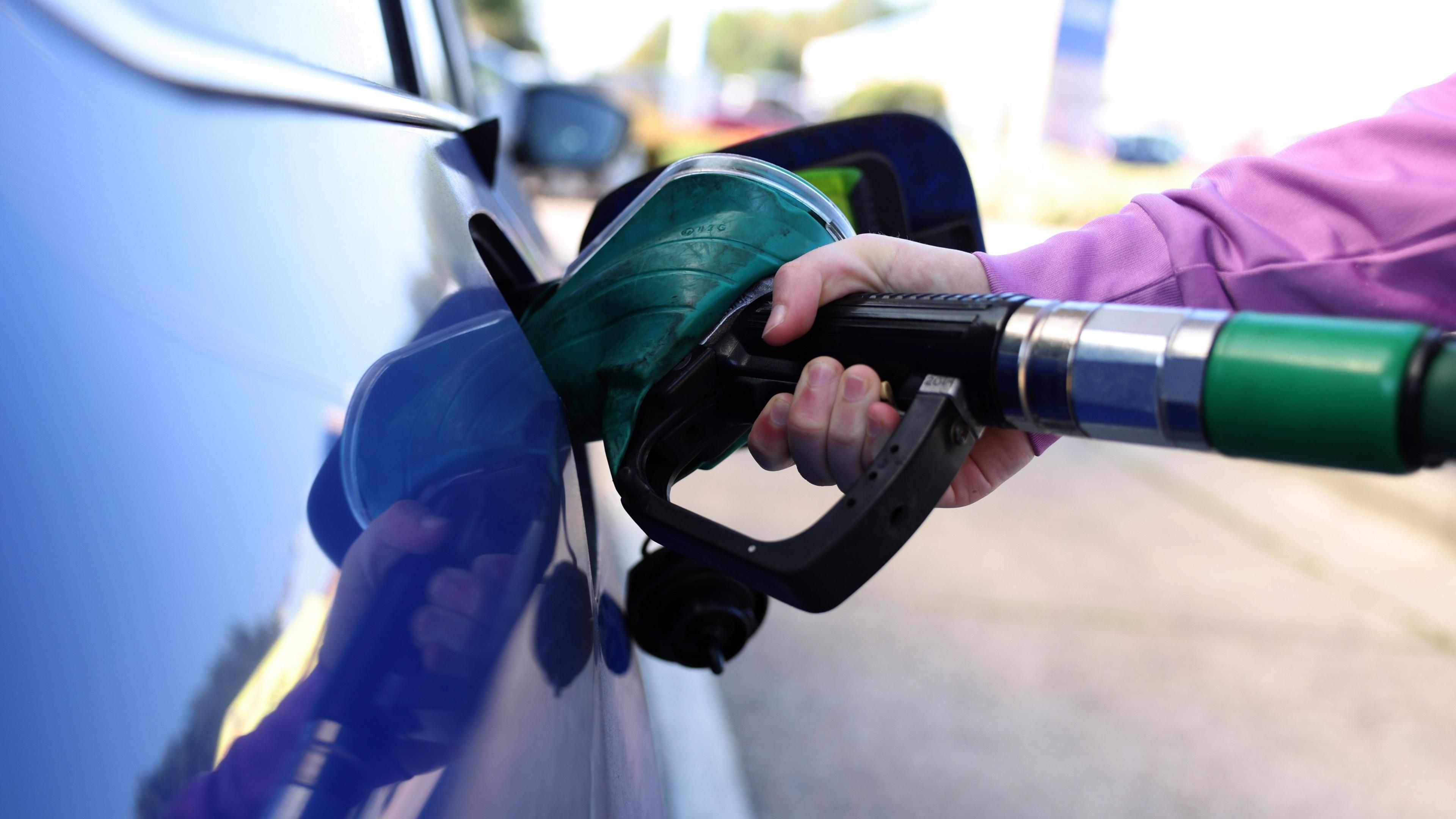
Trump’s decision is part of a broader strategy to lower U.S. energy costs before the November mid‑term elections. The former president has said the United States will import diesel from Russia, a move that critics claim could bolster Russia’s wartime economy and weaken U.S. leverage in the conflict.
The Biden administration sees the policy as a step backwards on climate goals. The United States has pledged to cut emissions by 50‑70% by 2030, a target that could be undermined by increased diesel use. Allowing Russian diesel to enter the U.S. supply chain could delay investment in renewable alternatives and maintain dependence on fossil fuels.
Washington’s response has been swift. A bipartisan group of twenty lawmakers issued a letter urging the president to honor the new law in its full form and point out that doing so would send a clear signal to Moscow that the U.S. remains committed to a transition to low‑carbon energy. They also said that full enforcement would put pressure on President Vladimir Putin to consider peace talks.
The controversy has spotlighted the tension between short‑term political gains and long‑term environmental ambition. While cheaper diesel may offer immediate relief to motorists, it also keeps the United States tied to a carbon‑intensive fuel that runs counter to global decarbonisation efforts. Whether the policy will be overturned remains to be seen, but the debate underscores how energy policy can either speed or stall the world’s shift toward a sustainable future.