In brief
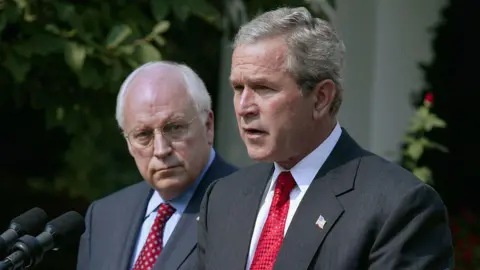
Dick Cheney, the 46th Vice President of the United States, passed away at 84, prompting tributes from former colleagues and political adversaries alike. George W. Bush labeled his death a significant loss, praising Cheney's counsel and integrity. Cheney's tenure shaped controversial policies, particularly in the wake of the 9/11 attacks, and his legacy is marked by enduring debate on his role in the Iraq War. His later criticisms of the Republican Party, especially under Donald Trump, showcase a complicated relationship with the evolving political landscape in the U.S.
The death of Dick Cheney, a pivotal figure in U.S. politics as Vice President under George W. Bush, has sparked a wave of tributes reflecting on his substantial influence on American foreign policy. Cheney, 84, died from complications related to pneumonia and heart disease, with his family describing him as a man of integrity and courage.
Throughout his career, Cheney was significantly involved in shaping the U.S. response to the war on terror, particularly the controversial 2003 invasion of Iraq. George W. Bush hailed him as one of the finest public servants of his generation, stating, History will remember him for his unwavering service to our country. Alongside him, Condoleezza Rice and former President Bill Clinton offered their respect and acknowledgment of his devotion to public service, regardless of political disagreements.
Cheney's political journey began in 1968 and culminated in his Vice Presidency starting in 2001, where he became a defining, albeit controversial, presence. His advocacy for military action and assertions regarding weapons of mass destruction in Iraq resonate throughout debates about his legacy. Views on Cheney's impact, praised by some and condemned by others as harmful and divisive, underscore the complexities surrounding his political influence.
Notably, Cheney's relationship with the emerging political faction represented by Donald Trump became strained. He became a vocal critic of Trump’s politics, aligning himself instead with his daughter, Liz Cheney, who resisted Trump’s influence within the Republican Party. His later endorsement of Kamala Harris showcased the stark ideological divides within American politics and his unique position as a conservative critical of the current party leadership.
This intersection of admiration and criticism following Cheney’s death reflects the ongoing struggle to understand his complex legacy. Cheney's contributions to American political life will undoubtedly prompt continued discussion and analysis, ensuring he remains a prominent figure in the narrative of U.S. governance.