In brief
The recent ceasefire in Gaza coincides with rescue workers confronting the aftermath of 15 months of conflict, where over 10,000 bodies may remain buried. The UN reports over two million Gazans now rely solely on food aid. The long road to rebuilding lives and infrastructure has only begun, amidst ongoing risks and trauma.
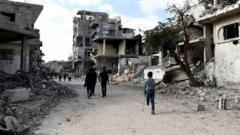
In the wake of a hard-fought ceasefire, rescue workers and civilians in Gaza face the overwhelming challenge of assessing the devastation wrought by 15 months of conflict. As new reports emerge, the Civil Defence agency estimates there may be more than 10,000 bodies still buried beneath the rubble of destroyed structures. Spokesman Mahmoud Basal expressed hope that recovery efforts could be completed within 100 days, yet ongoing equipment shortages pose significant hindrances.Images emerging from Gaza depict scenes of catastrophic loss, particularly in the northern regions, where the UN previously reported that around 60% of structures have either been damaged or completely demolished. Despite the cessation of airstrikes, Gazans are grappling with the harrowing reality of loss, as the UN World Food Programme states that over two million inhabitants are left homeless, reliant on food assistance to survive.Aid began flowing into Gaza immediately following the ceasefire, with figures indicating that over 1,500 lorries delivered supplies in just two days—marking the highest levels of aid since the outset of the conflict. However, Sam Rose, acting director of UNRWA, warned that the necessities go beyond mere food; the psychological and physical toll on communities must also be acknowledged and addressed through comprehensive rehabilitation efforts.The plight is compounded by the emotional turmoil faced by families of hostages. In Tel Aviv, the families of three hostages released in a recent exchange spoke out, illustrating the simultaneous relief and sorrow felt by many. Both hostages and their families continue to navigate the aftermath of their experiences.The toll on human life is staggering, with Palestinian health authorities reporting a death toll exceeding 46,900, noting that a significant majority of the deceased are women and children. A recent UK study suggests these figures may even underestimate the true extent of the loss.For Gaza’s Civil Defence, the work continues amidst heartbreak, as the death toll rises and reports of recovery efforts grow grim. Members of the agency describe the disturbing reality of conducting searches for families still trapped beneath the debris, a reminder of the unyielding nature of trauma that persists even as hostilities have ceased.Local residents also share their experiences of unbearable loss and the challenging return to their towns and shelters. Many have lost family members, their homes irreparably damaged, with basic necessities like water and electricity in extremely short supply. As they attempt to navigate a new reality amid dangerous remnants of conflict, the desire to reconnect with what little remains of their lives is palpable.With ongoing warnings related to military presence and the recovery phase underway, both Israelis and Palestinians remain apprehensive about the durability of the ceasefire and the possibility of renewed conflict. UN Secretary-General Antonio Guterres has labeled the ceasefire a "ray of hope," but cautioned that the wider challenges persist, particularly in the controversial context of the West Bank.As the arduous journey toward recovery unfolds, the stark needs of Gazans and the long-lasting scars of conflict require national and international solidarity to heal and rebuild lives shattered by war.