The Tata Group, one of India’s largest conglomerates, known for its diverse range of businesses from steel to software, finds itself entangled in significant internal strife a year after the death of its prominent leader, Ratan Tata. Once heralded as a beacon of stability and innovation, the empire now battles governance issues reminiscent of its tumultuous past.
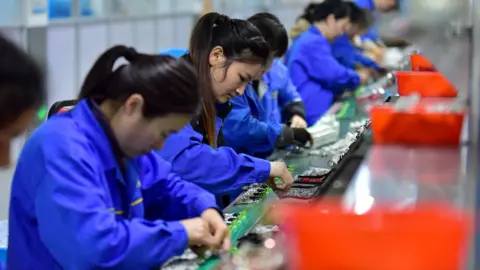
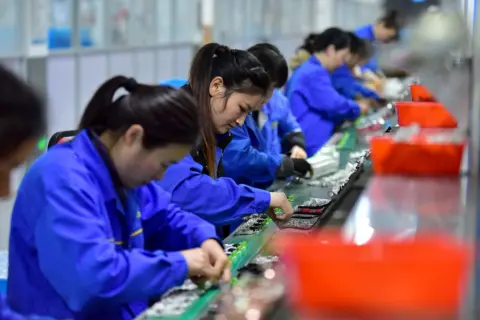
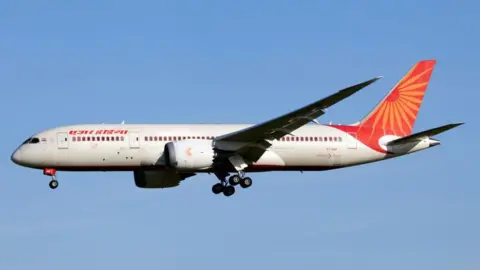
This discord comes amidst ongoing challenges the group is facing in various sectors, including a critical expansion in semiconductors and electric vehicles, as well as the recovery of Air India following a recent aviation tragedy. The internal conflicts within Tata have reignited memories of the publicly contentious ousting of Cyrus Mistry in 2016, highlighting unresolved leadership questions and the balance of power among its trustees.
Specifically, recent reports suggest that Mehli Mistry, a key trustee and ally of Tata, may no longer hold his position, signaling a deeper split among board members regarding strategic decision-making and objectives for Tata Sons, the holding company steering over 26 entities valued at $328 billion. Governance experts suggest that the ongoing disputes stem from the unique structure of Tata Sons, where a philanthropic organization controls the commercial entity, inevitably complicating the pursuit of commercial objectives versus charitable missions.
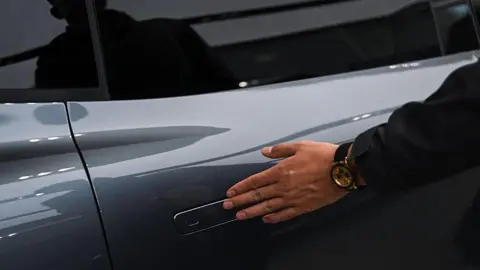
As the Tata Group strives to regain momentum in the face of mounting challenges including a cyber assault that impacted Jaguar Land Rover’s production, public relations experts note the critical impact of boardroom conflicts on the brand’s reputation. Industry figures indicate that stakeholders are growing concerned about the group’s direction and decision-making processes amidst signs of instability.
The latest upheaval among Tata Trusts, which also holds a significant influence in corporate governance with multiple board seats, is reflective of the tensions over proposed public listings and the desire for greater autonomy in decision-making. As negotiations around these issues continue, they pose critical questions about the long-term direction and sustainability of the Tata brand, historically seen as a pillar of Indian industrial strength.
Despite the difficulties, the Tatas have historically demonstrated resilience through past crises. However, the current landscape raises questions about the group's ability to navigate these troubled waters and emerge stronger, or whether this internal division will threaten the hallowed legacy of one of India’s oldest and most respected business houses.