In brief
TSA agents are adversely affected by a significant government funding lapse, causing financial distress and leading to high attrition rates. The ongoing shutdown has seen nearly 400 TSA employees resign, compounding staffing issues at critical airport checkpoints, resulting in long wait times and heightened insecurity for travelers. Many TSA agents are struggling to meet basic living expenses and are relying on food drives as the situation remains uncertain.
TSA agents are facing eviction notices, vehicle repossessions, and empty refrigerators as the agency grapples with an ongoing government funding lapse, marking the third shutdown in less than six months. This political stalemate has forced airport security staff to continue working without pay, severely impacting their financial stability and well-being.
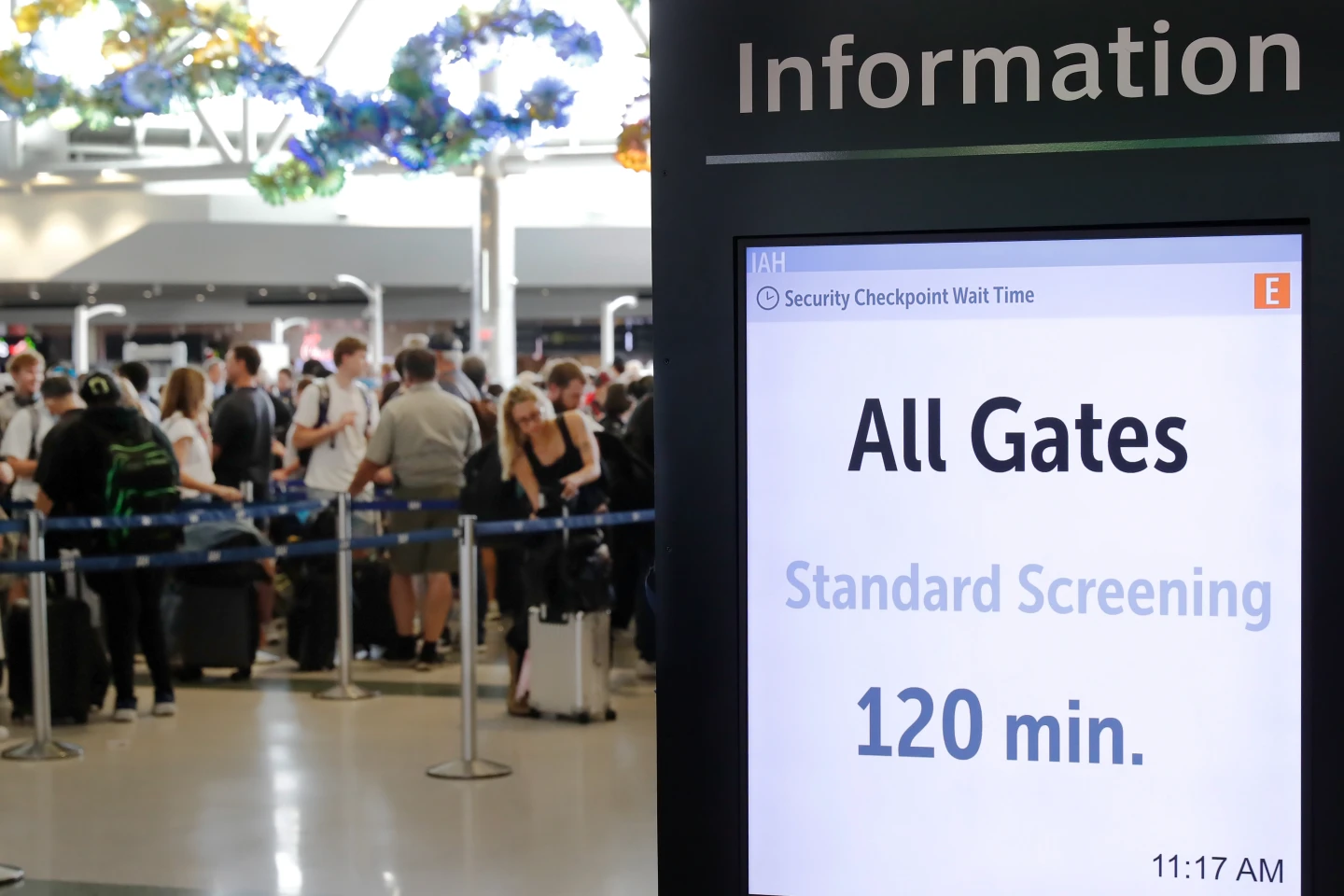
Long wait times at airports are partially attributed to the rising number of TSA officers taking leave or quitting altogether, leading to significant staffing shortages that directly affect travelers. According to the Department of Homeland Security, at least 376 TSA agents have resigned since the latest shutdown began on Valentine’s Day. The shortages have amplified existing personnel challenges, as TSA has historically experienced high attrition rates and low morale among its workforce.
Cameron Cochems, a TSA union leader from Boise, expressed the emotional toll this uncertainty has taken on employees, stating, Every day it just feels like this weight gets heavier and heavier on us. He noted that many TSA agents are staying in their roles simply due to a lack of better job opportunities.
The impact of the shutdown has been particularly pronounced, with nearly half of the past 170 days involving delayed paychecks for TSA officers. In light of this, many employees are struggling to meet their basic needs. Cochems revealed that he frequently relies on food drives at airports to provide for his family.
The House Committee on Homeland Security is set to examine the repercussions of this shutdown on various agencies, including the TSA, Federal Emergency Management Agency, and U.S. Coast Guard. Previous reports have highlighted persistent dissatisfaction among TSA staff stemming from low pay, inadequate recognition, and ineffective management.
“I think more people are staying with the TSA that don’t want to be here,” Cochems added, stressing the urgent need for improved working conditions and pay to mitigate the risks of further staffing issues in the future.
While recent pay raises have been implemented, many TSA employees feel that without addressing the underlying challenges, the potential for continued attrition remains high. Increased absences have already been reported, with over 10% of scheduled staff missing work nationwide. This puts tremendous strain on infrastructure as travelers face increasingly unpredictable conditions at airports, significantly impacting their travel experience.