In brief
Following a devastating plane crash linked to a bird strike, South Korea is enforcing the installation of bird detection cameras and thermal imaging radars in airports nationwide to enhance aviation safety and prevent future incidents.
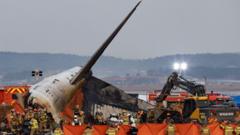
In a decisive move to bolster aviation safety, South Korea has mandated the installation of bird detection cameras and thermal imaging radars at all airports following a tragic air crash in December last year that resulted in the loss of 179 lives. The rollout of these safety measures is set to commence in 2026, marking a significant step towards mitigating the risks posed by bird strikes.The crash involved a Boeing 737-800 from budget airline Jeju Air, which suffered a bird strike just three minutes after takeoff from Bangkok en route to Muan International Airport. An investigation revealed feathers and blood stains on the aircraft's engines, indicating a collision with birds prior to the emergency landing attempt. The ongoing inquiry aims to determine the specific causes of the crash, particularly the influence of the bird strike alongside the concrete structure that the plane impacted.In a statement from the Ministry of Land, it was clarified that bird detection radars will play a crucial role in early bird detection and response capabilities for aircraft taking off and landing. These radars can assess the size and movement of birds, relaying real-time information to air traffic controllers. Moreover, each airport will be required to have at least one thermal imaging camera, an upgrade currently existing at only four airports within the nation. Additionally, authorities will relocate sites that attract birds, including waste disposal areas, away from airport proximity. The tragic incident, which is now considered the deadliest air crash in South Korean history, has prompted a sweeping review of airport safety protocols. In anticipation of the imminent bird detection systems, earlier measures have already been taken to adapt or enhance the runway safety areas at seven airports following thorough assessments.Upon takeoff, the pilots received early warnings regarding "bird activity" around the airport, leading to their mayday declaration after striking a bird. Unfortunately, the pilot's attempt to land without deployment of landing gear led to the aircraft overrunning the runway and exploding upon colliding with the aforementioned concrete structure.This heart-wrenching incident saw passengers aged between three and 78, primarily in their 40s, 50s, and 60s, on board—leaving only two cabin crew members as survivors. As South Korea takes bold steps to improve air safety, the focus remains on understanding and preventing the fatal implications of bird strikes in the future.