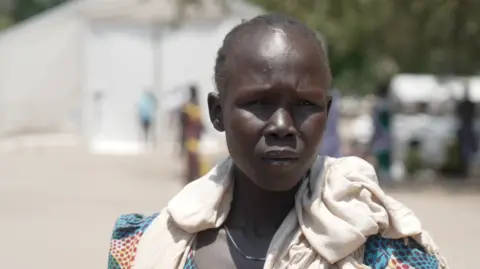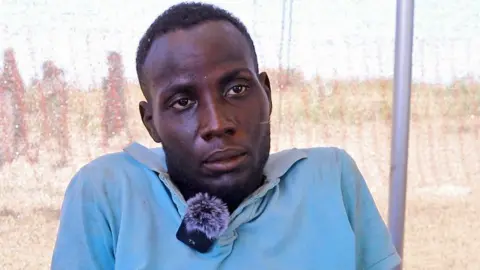
Shaken by the horrors faced during their escape, survivors like Ezzeldin Hassan Musa describe the unforgiving reality of life under the control of Sudan's Rapid Support Forces (RSF) in el-Fasher. After enduring torture and violence, Ezzeldin was one of the fortunate few who made it to Tawila, a refuge in the wake of growing disorder and human rights abuses.
In a shocking admission, RSF leader Gen Mohamed Hamdan Dagalo acknowledged 'violations' by his forces but claimed they would be investigated. This comes as reports continue to circulate about extensive brutality, including torture and arbitrary killings of men trying to escape.
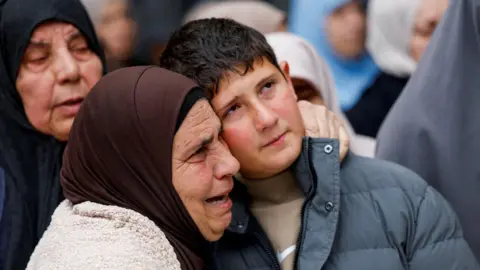
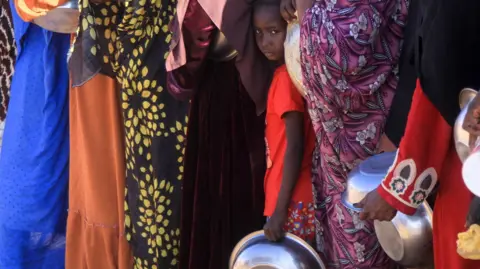
Ezzeldin's account is harrowing: 'We saw people murdered in front of us. I was hit on the head, back, and legs. They wanted to execute us,' he relays. Many of those fleeing the violence are reportedly women and children, and they've arrived in Tawila severely malnourished and traumatized from their experiences.
Others, like Ahmed Ismail Ibrahim, also bear physical scars from the conflict. Amidst severe violence, he witnessed the murder of his companions at the hands of RSF fighters. 'Four of them were killed in front of us,' Ahmed recalls, a reflection of the chilling atmosphere of fear and brutality.
In Tawila, humanitarian agencies, including Médecins Sans Frontières (MSF), work tirelessly to provide care and relief to thousands who have fled. With many being in dire need of medical attention, the clinic is overwhelmed by the number of cases they encounter.
This recent wave of violence, coupled with the already precarious humanitarian situation due to previous conflicts, paints a grim picture for those still trapped in el-Fasher. Observers fear that the reported low number of escapees indicates many remain hidden, vulnerable, and in desperate need of assistance as violence and insecurity dominate the region.
Ezzeldin, now safe, urges for support: 'Public roads should be secured for citizens, and humanitarian aid needs to be sent to the streets.' His plea highlights the urgent need to address the dire conditions faced by those still in the conflict's grasp.