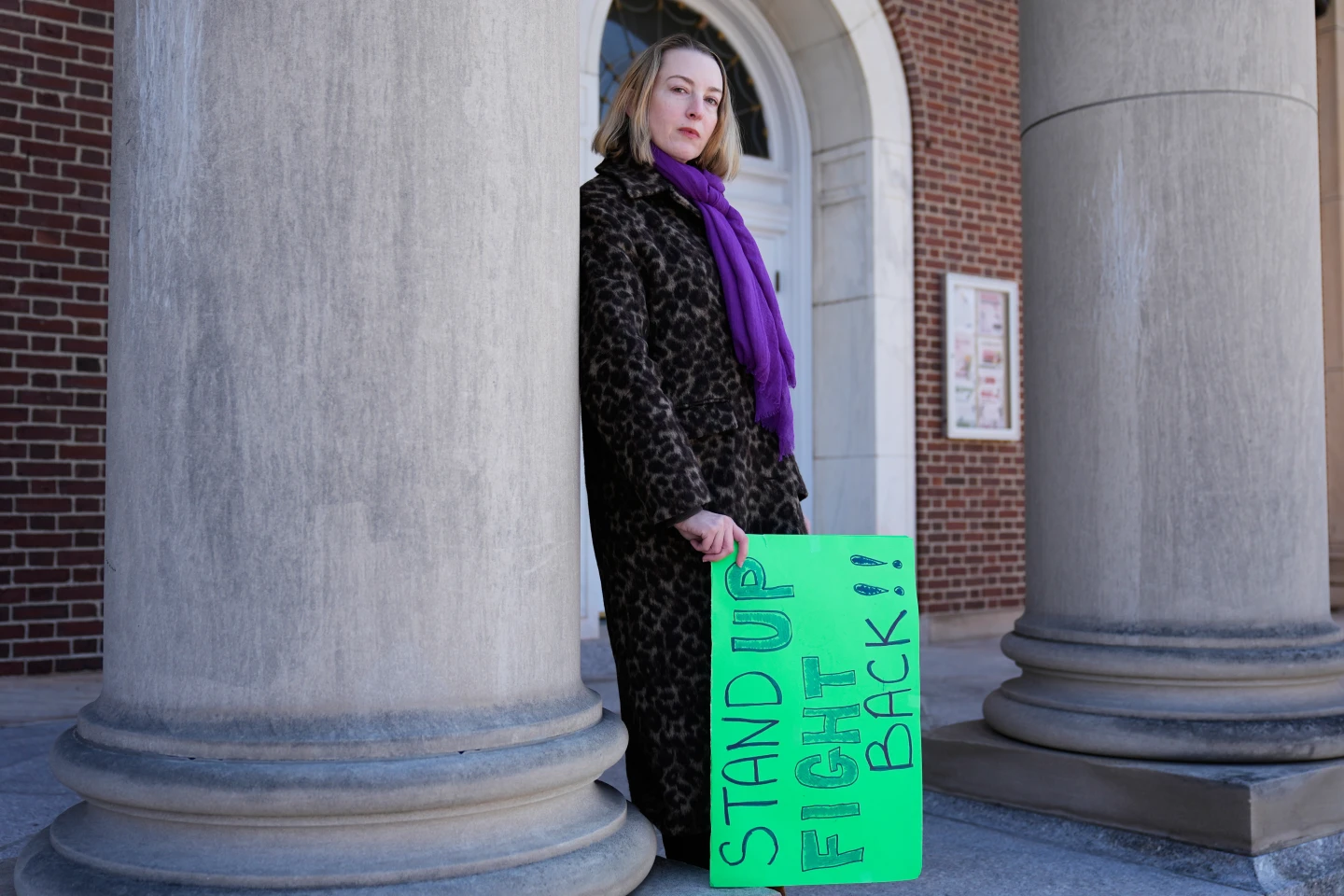
MONTCLAIR, N.J. — In recent years, residents of suburban towns across America are finding their voices and taking an increasingly active role in political activism. Many, like Allison Posner, a mother from Maplewood, New Jersey, have reached a breaking point, feeling compelled to engage in local issues that align with their values. From distributing food and supplies to immigrant families outside a detention facility to organizing major protests against the Trump administration, suburbanites are mobilizing to effect change.
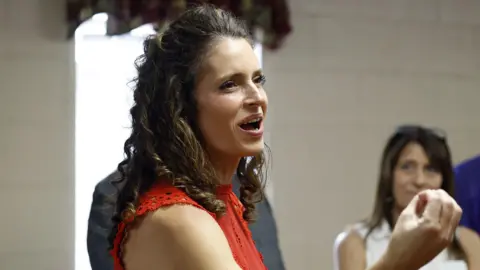
As the No Kings protest march approaches, Posner reflects on her evolution from a passive citizen to a vocal activist, eager to confront what she sees as a direct threat to democracy. The people in the suburbs are definitely radicalizing, Posner states confidently.
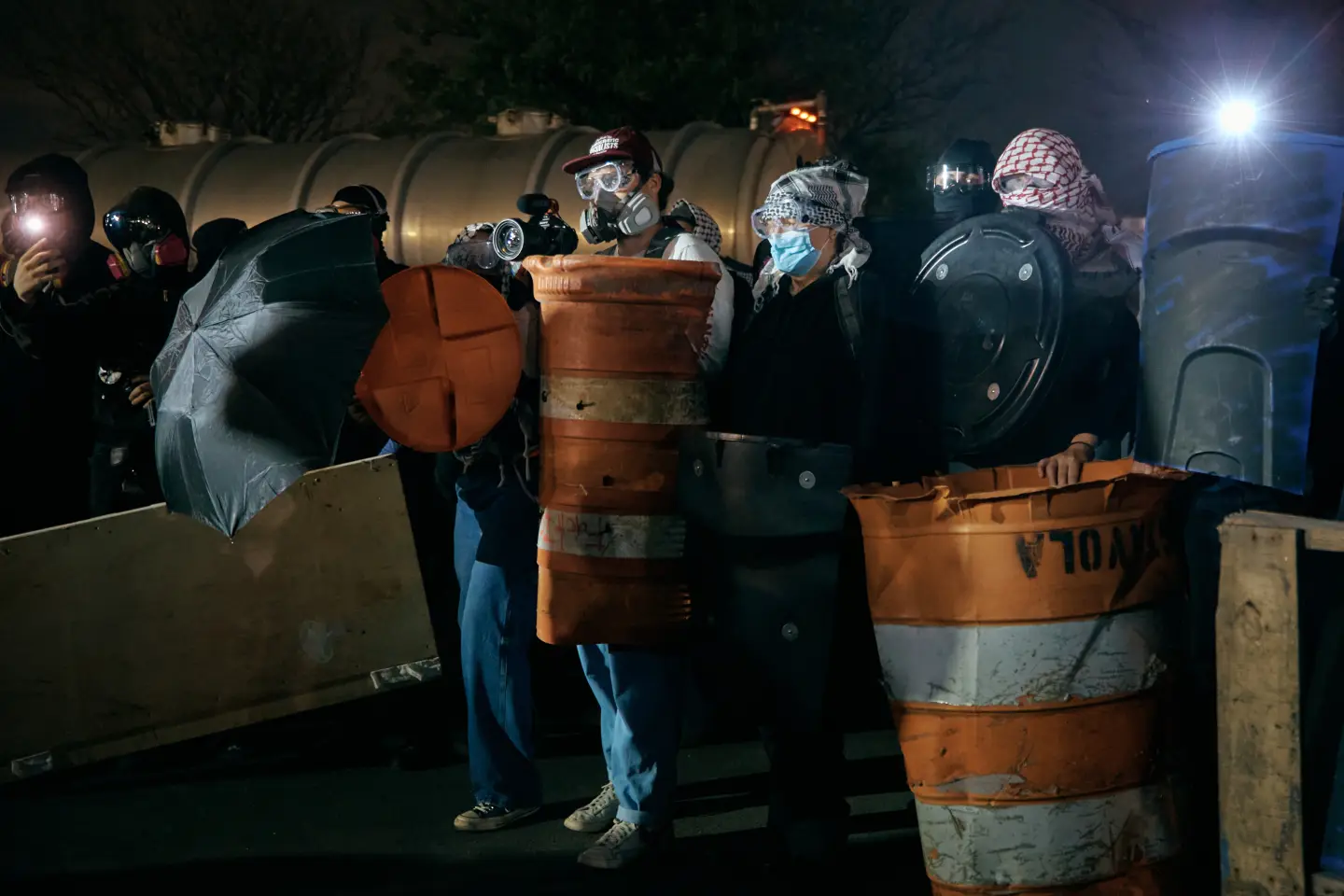
Surprisingly, this wave of activism is pronounced in areas that were once considered Republican strongholds. With more than 3,000 protests planned nationwide, Indivisible, an activist organization, predicts that over 9 million citizens will participate in a historically significant demonstration against Trump’s administration. Specifically, two-thirds of the protests will be held in suburban regions, highlighting an eagerness among suburban voters to reclaim their political narrative.
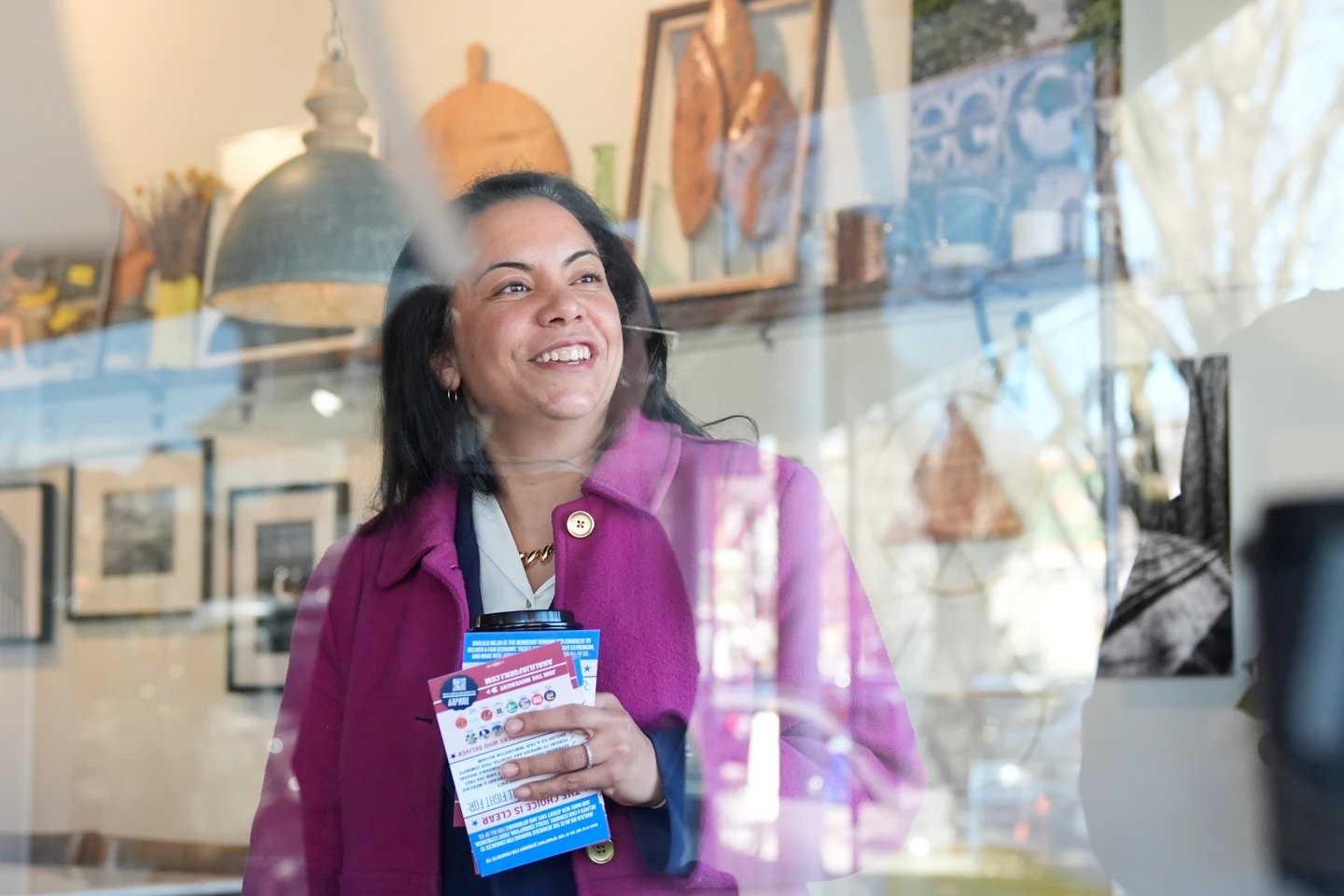
According to seasoned political observers, this shift could cost Republicans seats in Congress, especially in key battleground districts. Fresh progressive candidates like Analilia Mejia of New Jersey are emerging, determined to represent constituents who feel disillusioned by the status quo and energized by the prospect of legislative change.
In suburban communities like Summit and northern New Jersey’s 11th District, education levels and demographic shifts favor a more progressive agenda. College-educated voters, particularly women, are now more likely to support Democrats, as reflected in recent elections, contributing to a broader Democratic coalition.
Posner’s optimism draws parallels to a growing movement among parents—many of whom had previously avoided political engagement—now eager to challenge the Trump-era policies that have rendered them fearful for the future. We’re seeing people from the PTA or the neighborhood asking how they can get involved, she continues, conveying an urgency that mirrors the sentiments of many suburban activists.
As excitement builds for this weekend's protests, leaders of this emerging activist movement are preparing to inspire new voters in suburban districts. The stakes are high as politicians navigate these changes, culminating in a battle for both ideological influence and future electoral success.
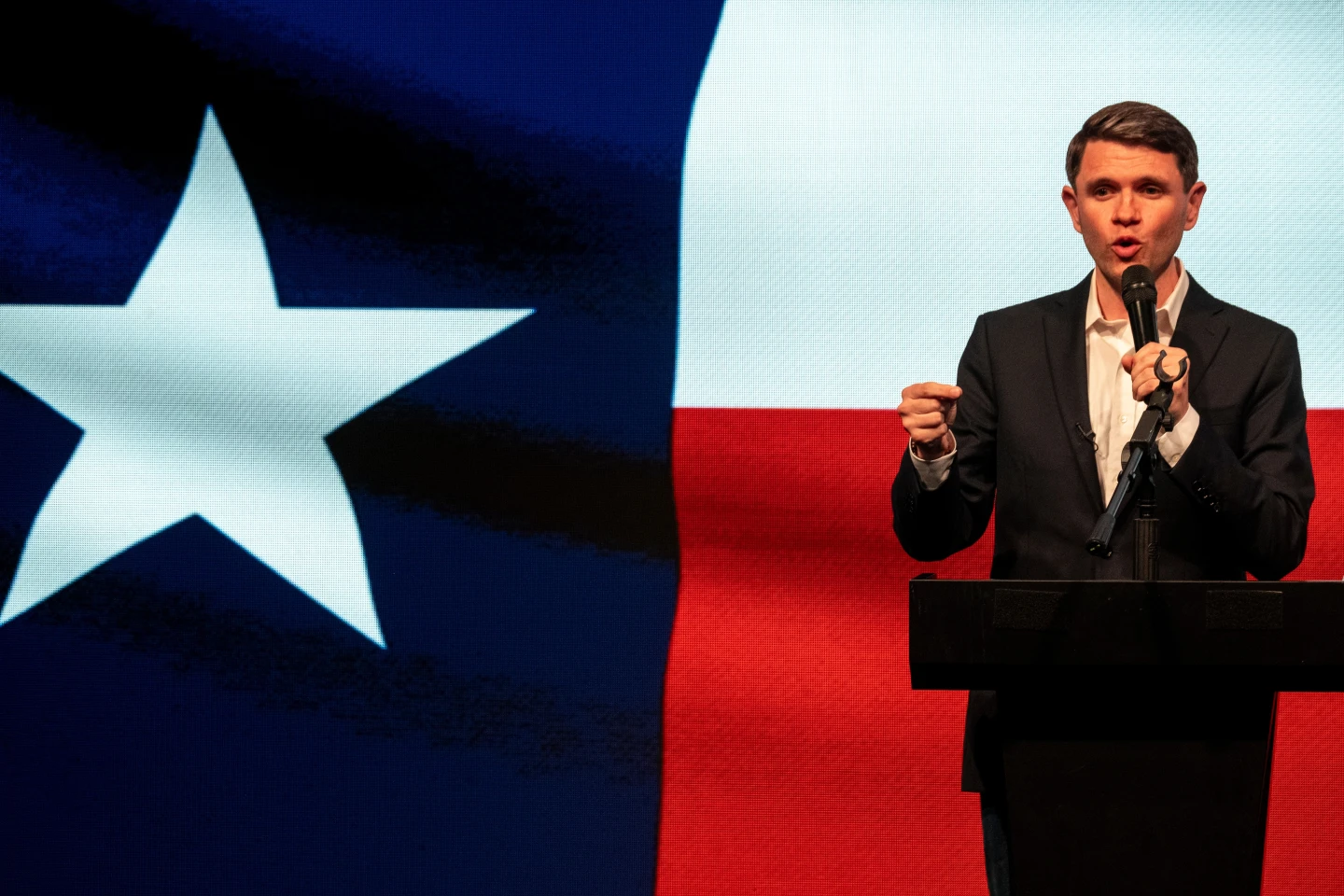
While Republican candidates like Joe Hathaway may attempt to balance their party's principles with suburban sentiments, the tide of public opinion appears to be shifting decisively. Trump's influence over the party may complicate efforts to appeal to suburban voters, who are increasingly distancing themselves from controversial policies and leaders.
In this crucial moment of political evolution, the mobilization of suburban activism represents not just a response to immediate political challenges but a budding movement aimed at long-lasting change in American politics.