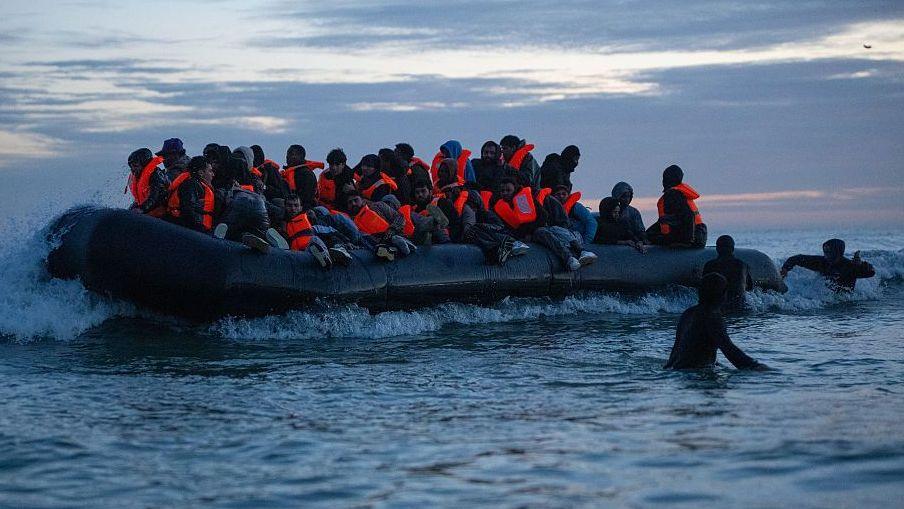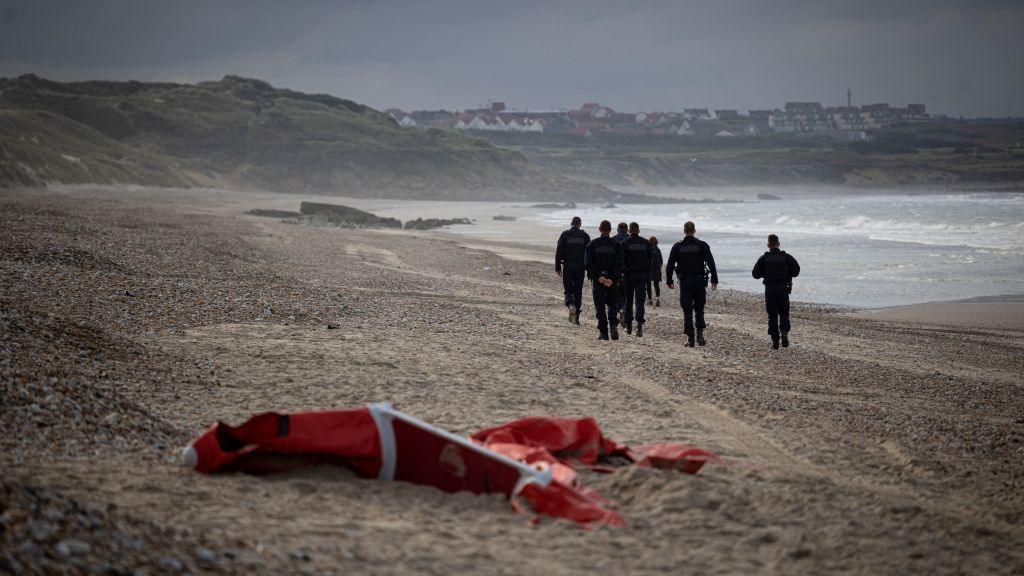
Six people smugglers were handed prison sentences of between six and ten years in a Paris court that concluded their reckless operation caused the deaths of 31 migrants in the deadliest small‑boat incident in the English Channel to date. The verdict follows a four‑week trial that spotlighted a network of traffickers that used a poor‑quality, uncertified boat to ferry Iraqi Kurds, Afghans, Egyptians and Iranian Kurds across treacherous waters, in advance of a surge in migration driven by climate‑induced instability in the Middle East.
The tragedy began early on 24 November 2021 when the overloaded vessel – lacking sufficient life jackets and safety gear – sent distress calls that went unanswered. The boat capsized amid a storm, killing a child as young as seven and leaving only two survivors. The court found the smugglers had knowingly breached maritime safety regulations, thereby committing involuntary homicide. And the evidence of negligence, including a boat that exceeded capacity and was unfit for sea travel, compounded the severity of the crime.
The case reveals how climate‑driven migration is increasingly exposing refugees to unsafe crossings. Rising sea levels and unpredictable weather patterns accelerate movement from vulnerable conflict zones to coastlines that lack adequate safety infrastructure. This new reality demands robust, adaptive maritime policies that integrate climate resilience with humanitarian protection.
Environmental groups argue that the regime of the Channel’s “one‑in‑one‑out” scheme, which allowed migrants to re‑enter Britain after a temporary stay in France, failed to curb trafficking networks. The scheme’s closure by both countries might reduce incentives for smugglers, but it also risks diverting refugees to more dangerous routes.
The trial also highlighted failures at the sea‑rescue level. Eight naval personnel and others are now under investigation for allegedly ignoring distress calls on that fatal night. The incident underscores a pressing need for climate‑informed training, advanced detection technology, and streamlined cross‑border rescue coordination.
Beyond human cost, the wreck left abandoned dead‑weight on a beach, polluting the local ecosystem and threatening future marine life. Such debris scatters toxins, disrupts habitats and showcases the environmental toll of unregulated maritime activities.
The verdict was a turning point for survivors and families who had long awaited justice. Legal advocacy highlighted the emotional toll of the disaster, calling for a system that protects the most vulnerable during climate‑driven migration. The court’s decision also calls for stricter enforcement of vessel certification, mandatory life‑jackets and contingency plans that capitalize on satellite tracking to anticipate and mitigate maritime disasters before they reach catastrophe stage.