In brief
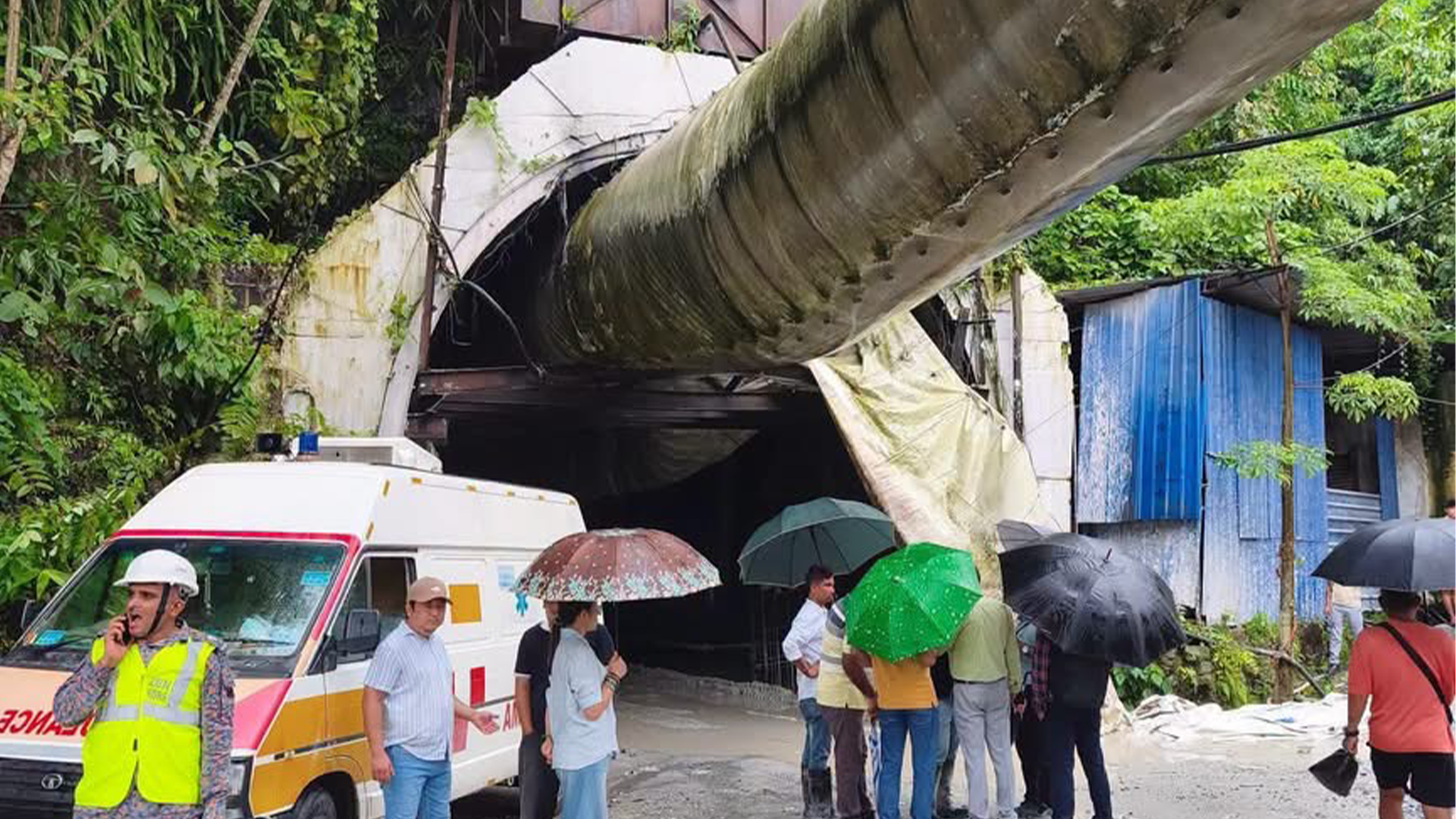
In Sikkim, a methane‑driven tunnel collapse claims 12 lives and leaves 13 workers trapped near a 1.5 km water‑to‑hydropower tunnel. The incident underscores how undetected methane can ignite in confined alpine geology, posing severe safety threats. Experts insist that robust methane monitoring and ventilation are mandatory for Himalayan construction projects, especially as climate‑driven development increases. A special investigation is underway while rescue teams focus on a 200‑metre zone to locate the remaining workers.
At least 12 workers died after a gas explosion struck an under‑construction tunnel in India’s north‑eastern Sikkim state, officials confirmed. Rescue teams report that 13 workers are still missing, believed to be trapped 1.5 km deep inside the tunnel. The incident highlights how methane – a potent greenhouse gas – can be trapped in alpine rock and ignite during heavy construction.
The tunnel, designed to carry water from the Teesta River to a hydropower plant’s turbines, is part of a larger Himalayan renewable‑energy project run by the National Hydroelectric Power Corporation (NHPC). According to NHPC, a sudden burst of suspected methane gas “led to an explosion generating dense fumes and toxic gases” (see NHPC statement). The Sikkim government also cited methane combustion as the primary cause.
Methane can accumulate over geological timescales; when tunnelling releases it into a confined space it may ignite if an ignition source is present. “The risk is severe in mountainous regions with high moisture and organic sediment, a mining safety expert explained.
Rescue operations focus on a 200‑metre zone where the remaining workers are likely trapped. National Disaster Response Force (NDRF) officer Mohsen Shahedi noted that search‑and‑rescue teams are deploying methane‑detector drones and ventilation shafts to reduce risk during the operation.
Chief Minister Prem Singh Tamang has formed a special investigation team to determine the precise causes and to review safety protocols. “We will take action on the basis of the findings,” he said.
What this means for climate‑sensitive infrastructure
Methane is a greenhouse gas with a global‑warming potential 84‑86 times that of CO₂ over 20 years. The Sikkim collapse underlines that projects in fragile mountainous ecosystems must incorporate routine gas monitoring, robust ventilation, and emergency shut‑off systems—especially as many regions accelerate renewable‑energy construction to meet climate targets.
Energy agencies now recommend that pre‑construction methane surveys be standard practice for all tunnelling projects in geologically active areas. The incident also serves as a stark reminder that the very gases sought to reduce long‑term climate impact can pose immediate occupational hazards if not adequately managed.
As Himalayan infrastructure develops, balancing ecological resilience with human safety will be critical to avoid tragedies that halt progress and compromise climate goals.
© 2026 echosphere.news – All rights reserved.