In brief
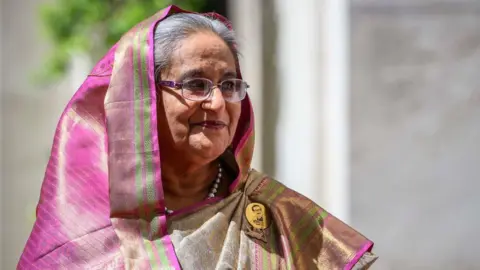
In a landmark ruling, Sheikh Hasina, the former Prime Minister of Bangladesh, has been sentenced to death for crimes against humanity due to her government's violent response to student-led protests in 2024. The protests, which began over job quotas, escalated and led to widespread unrest, resulting in significant casualties. Hasina, tried in absentia while in exile, has vehemently denied the allegations and criticized the trial as politically motivated. The verdict has heightened political tensions in the country and poses a diplomatic challenge for India, where Hasina currently resides.
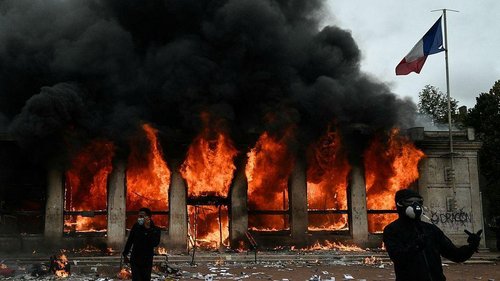
Bangladesh's former prime minister, Sheikh Hasina, has been sentenced to death for crimes against humanity in connection with a violent crackdown on student-led protests that led to her ousting. The International Crimes Tribunal (ICT) found her guilty of enabling lethal force against demonstrators, resulting in the deaths of approximately 1,400 individuals.
Hasina was tried in absentia while in exile in India, following her removal from power in July 2024. Prosecutors accused her of orchestrating a brutal campaign against the protests, which were sparked by calls to abolish job quotas but evolved into a broader anti-government movement. In response to the verdict, Hasina labeled the trial 'biased and politically charged,' maintaining that her government upheld human rights.
The ruling marks a significant moment for Bangladesh, reflecting the long-standing anger over repression in the country. Families of the victims have long sought justice, and the ICT's verdict was met with jubilation among those opposing Hasina's rule.
Following the verdict, Hasina released a statement asserting her resolve to confront her accusers in a fair tribunal. Meanwhile, the security situation in Dhaka remains tense, with recent violence escalating ahead of the verdict.
A parliamentary election is on the horizon, raising questions about the future of Hasina’s Awami League party, which has been banned by the interim government led by Muhammad Yunus. The event inevitably complicates diplomatic relations between India and Bangladesh as Hasina's extradition has been formally sought, yet India remains reluctant to comply.
While the sentence may offer a sense of closure to some families, the political divisions within Bangladesh may persist. Observers suggest that without an acknowledgment of wrongdoing from Hasina or her party, public sentiment may continue to fuel unrest.