In brief
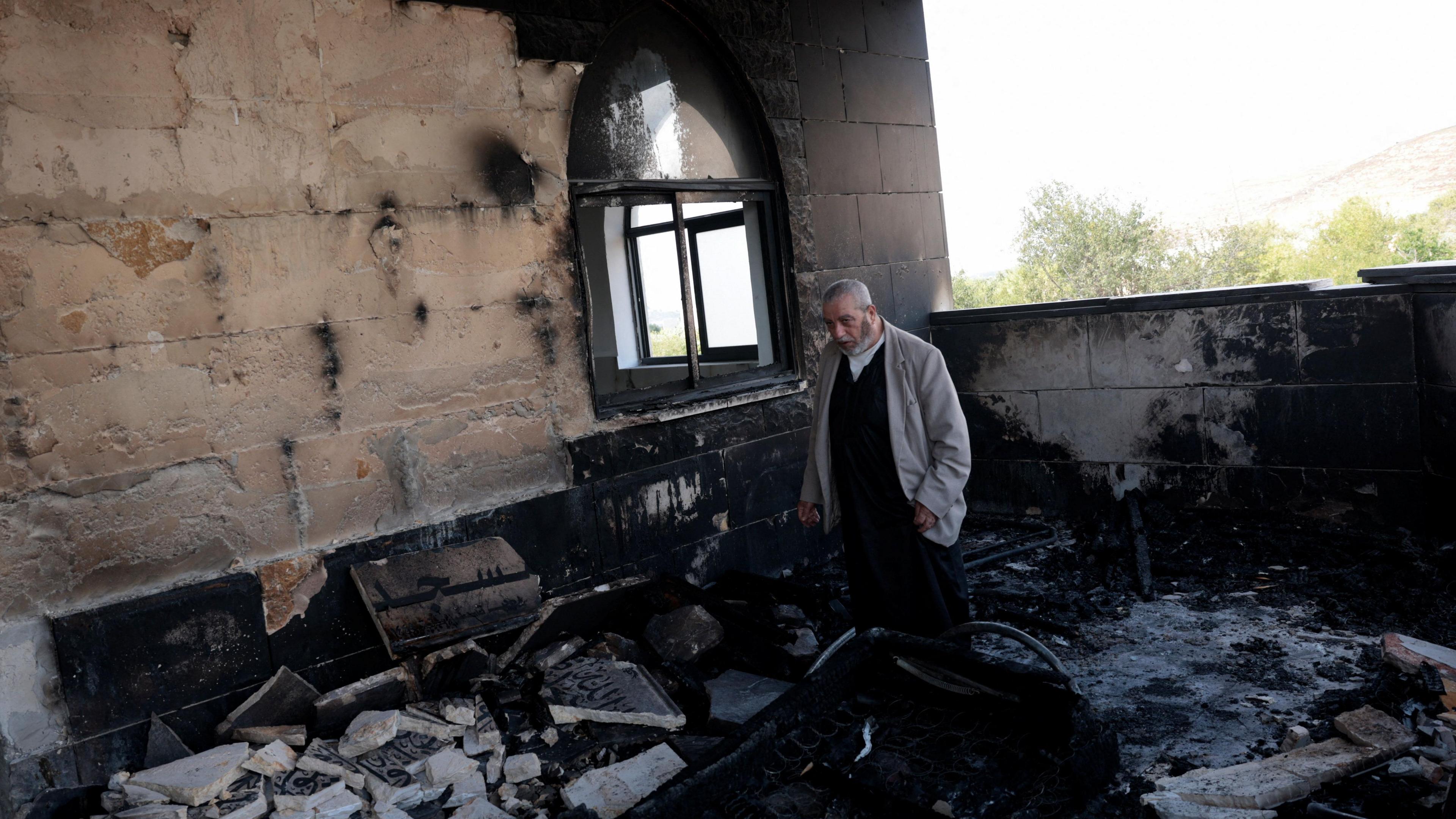
Over the last 48 hours, settlers in the West Bank set fire to mosques, cars and farmland, raising alarms about the ecological toll. The attacks followed a deadly clash in Tal that left six deaths. Persistent fires have obliterated crops, damaged irrigation and increased soil erosion, threatening the livelihoods of 3.3 million Palestinians. Israeli troops have been dispatched for investigations, yet the pattern of violent expansion continues to worsen environmental degradation. Climate‑justice advocates now call for a halt to the destruction of local ecosystems, citing the region’s role in broader climate resilience.
Settlers in the West Bank have launched a new wave of arson, targeting mosques, vehicles and agricultural lands over the last 48 hours, exacerbating an already fragile environment.
The attacks began two days after a deadly clash in the village of Tal that left six deaths. The latest incidents have seen bare patches of land burned, irrigation systems damaged and local flora destroyed.
Environmental organisations warn that successive fires destroy seasonal crops, deplete local water sources and accelerate soil erosion, threatening the livelihoods of over 3.3 million Palestinians who depend on the land.
In response, the Israeli military has deployed troops to the affected villages and pledged investigations. Yet the pattern of violent expansion by settler groups has intensified since the Gaza conflict, leading to increased deforestation and waste pollution.
International bodies emphasising climate justice have condemned these acts and called for a halt to the destruction of local ecosystems which are integral to regional climate resilience.