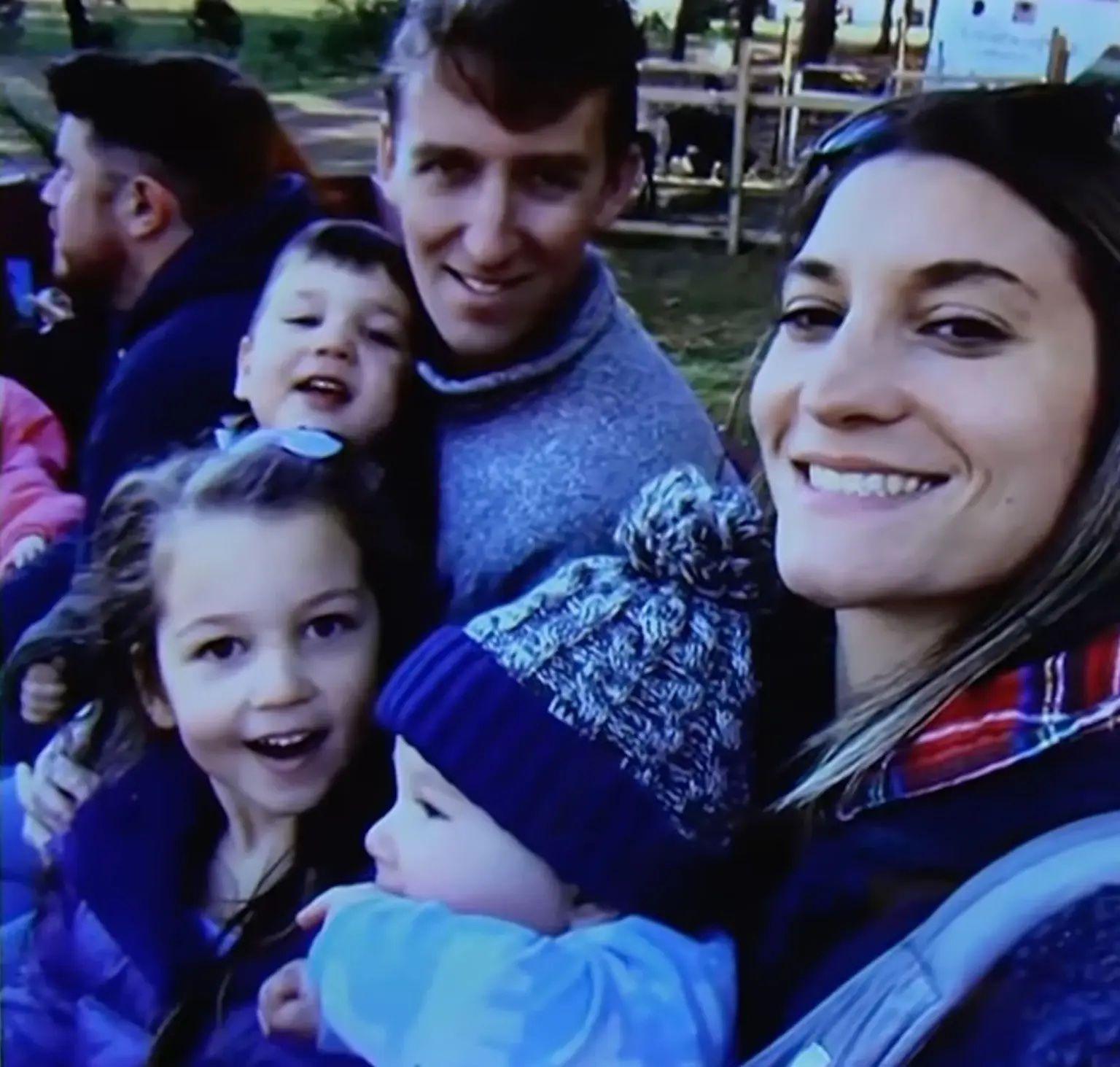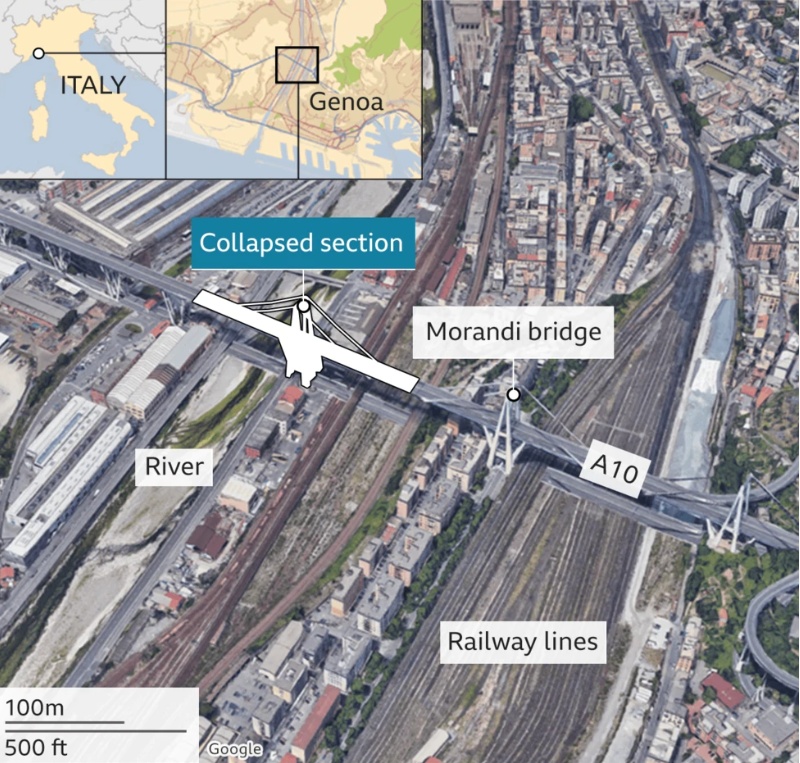
On the morning of 14 August 2018, a newly married couple and their two children were traveling from Rome to the Italian Riviera when the Morandi bridge in Genoa gave way beneath them, plunging a car and a lorry into the railway tracks below. The tragedy claimed 43 lives, including the four members of the Possetti family.
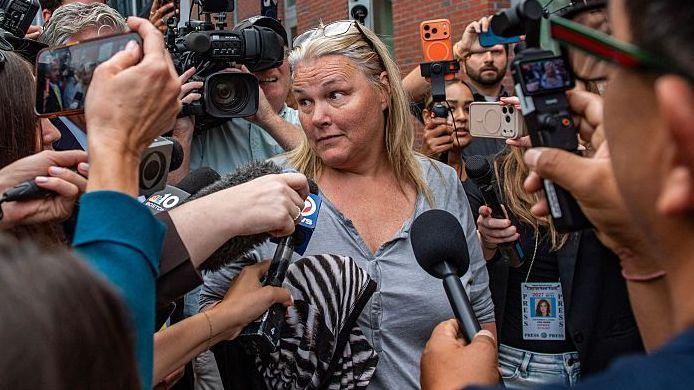
Nearly eight years later, relatives gathered in a Genoa courtroom as they awaited the trial’s first verdict. Egle Possetti, who represents the victims’ families committee, said the decision could finally put accountability in place and bring a sense of justice to the grieving community.
Investigations highlight intertwined causes: delayed maintenance, ignored warning signs, and the structure’s exposure to harsh summer storms that test ageing bridges. Prosecutors argue that profit motives primed the bridge for neglect, while defense lawyers cite a design flaw in an encased cable that perhaps could not have been prevented by routine checks.
The criminal case has had 284 hearings since 2022, with 57 defendants—including former executives of the toll‑road operator Autostrade per l’Italia, engineers from Spea, and transport ministry officials—standing charged with multiple manslaughter and fraud. All deny wrongdoing, and some lesser charges have already expired under Italy’s statute of limitations.
In a recently released open letter, Autostrade’s chief executive Arrigo Giana apologized for the accident, describing it as an “incomprehensible wound” for the Genoa community. The apology coincides with the new bridge – named the Genoa San Giorgio Bridge – officiating in August 2020. Designed by Renzo Piano, its sleek sail‑like pillars aim to honor the city’s maritime heritage while incorporating contemporary engineering practices.
The families and the local government advocate for stronger, climate‑adapted infrastructure. They urge authorities to incorporate real‑time monitoring systems and stricter maintenance schedules, especially for bridges that will increasingly face extreme weather events under climate change. A final verdict is expected to guide reforms and memorialize the lessons learned from the Morandi tragedy.