In brief
Robert F. Kennedy Jr., the U.S. Health Secretary, has instigated turmoil within the CDC by questioning the integrity of its leadership and expressing bold plans for change. His recent actions, including the dismissal of the CDC director, have sparked widespread concern among health professionals about the safety and efficacy of vaccines, reigniting a fierce debate over public health guidelines that could have significant implications both domestically and internationally.
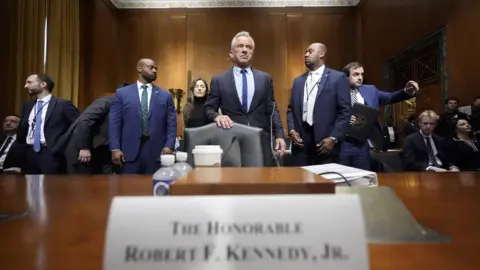
In fiery Senate testimony this week, US Health Secretary Robert Kennedy Jr. once again set his sights on the nation's top public health agency, the Centers for Disease Control and Prevention (CDC).
His appearance came days after he suddenly fired the new CDC director, Susan Monarez, provoking a group of senior staff to resign in protest.
At the hearing, when asked for an explanation, Kennedy claimed he had asked Ms. Monarez if she was a trustworthy person and she had replied no, to some disbelief from his opponents in the room.
He then admitted he had once described the CDC as the most corrupt agency in government and strongly hinted he's not finished with his plans to shake up the organization.
Kennedy's words have sparked a furious backlash, with many doctors and scientists increasingly concerned that America's public health systems are being dangerously compromised.
It's a conflict that could have a significant impact not just on health policy in the US but across the world. In the past, the CDC has been instrumental in global health, leading the response to crises from famine to HIV and Ebola.
Founded in 1946, the CDC tracks emerging infectious diseases like Covid and is also tasked with tackling long-term or chronic conditions such as heart disease and cancer.
It operates more than 200 specialized laboratories and employs 13,000 people, although that number has been cut by around 2,000 since President Donald Trump returned to office.
But it does produce official recommendations on who should receive which vaccines through a panel of experts known as the Advisory Committee on Immunization Practices (ACIP) and monitors their side effects and other safety concerns.
It was Kennedy's record on vaccines which particularly worried many public health experts when he took office in February.
An activist group he ran for eight years, Children's Health Defense, repeatedly questioned the safety and efficacy of vaccination.
He has described the Covid jab as the most deadly in history and has blamed rising rates of autism on vaccines, an idea that has been categorically debunked by large scientific studies over many years.
His testimony infuriated critics when he indicated that some members of the CDC may have ulterior motives in their recommendations.
Most notably, after firing Monarez, a noted vaccine critic, David Geier was hired to reanalyze CDC data on vaccines even though concerns around vaccination have already been debunked extensively.
Critics argue that Kennedy's administration is now stacked with individuals who display anti-vaccine rhetoric, risking public safety.
In his testimony, Kennedy stood his ground, accusing Monarez of lying and describing her dismissal as absolutely necessary. In recent weeks, the CDC has seen resignations from its chief medical officer and directors of immunization and emerging diseases, leading to a significant loss of expertise within the agency.
This growing divide has prompted fears over how U.S. health policies and practices will be perceived globally. As Kennedy's leadership prompts a shift in the agency's direction, the ramifications may not only affect American citizens but also global health standards and policies.