In brief
King Abdullah II’s decision to reject President Trump’s plan for relocating Gazan Palestinians highlights the historical complexities between Jordan and Palestinian refugees, raising critical questions about regional stability.
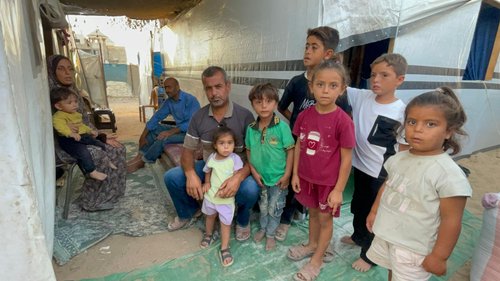
The proposal presented by President Trump to manage the significant Palestinian population in Gaza by relocating them to Jordan has sparked intense discussions and revealed deep-rooted issues in the relationship between Jordan and Palestinian refugees. King Abdullah II, during a recent meeting at the White House, made it clear that such a plan is not acceptable. The monarch emphasized Jordan's commitment to humanitarian assistance, particularly concerning Palestinians needing medical care, while also hinting at the political ramifications of accepting an influx of refugees. This delicate balancing act illustrates the historical tensions and demographics that have existed in the region for decades.King Abdullah's nuanced rejection stems from Jordan's own struggles with its Palestinian population, with whom they share a multifaceted and often tumultuous historical relationship. Events in the past have shown that tensions can escalate between Jordan's government and Palestinian entities, at times leading to violence.Moreover, President Trump’s proposal, which appeared unexpectedly vague and lacking clarity, has generated confusion even among his advisers, suggesting an unrealistic expectation that Egypt and Jordan would be willing to absorb a large number of Palestinian refugees—compounding existing frictions within these host countries.Analysis of this proposal reveals not only the political implications but also the personal stakes involved for King Abdullah, who must navigate the precarious landscape of his rule, public sentiment, and regional relationships.In summary, Trump’s Gaza proposal exposes a stark divide in regional cooperation and reflects the ongoing struggle for peace amidst historical complexities in the Middle East. This situation demands a careful reconsideration of refugee responsibilities and peaceful resolutions that acknowledge the intricate relationships between nations and their populations.