In brief
Russian naval assets have been spotted moving away from their key Tartous facility, with satellite imagery indicating a possible strategic reassessment. Kremlin spokespersons are engaging in talks regarding the future of military presence amid growing instability and potential shifts in regional alliances.
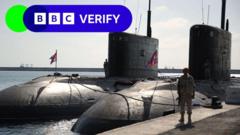
Recent satellite images have unveiled significant movements by Russian naval vessels at the Tartous base in Syria, stirring speculation regarding Moscow's military future in the region. The Tartous facility, a cornerstone of Russian naval power since the Soviet era, seems to have temporarily lost a number of its ships, now situated offshore in the Mediterranean Sea. Renewed uncertainty looms over Russia's position following the resignation of Bashar al-Assad, its long-time ally.Certain vessels were seen departing to an offshore position, while activity continued at the Khmeimim airbase, highlighting a nuanced strategy from the Kremlin. “Everything possible is now being done to get in touch with those involved in ensuring security,” remarked Kremlin spokesman Dmitry Peskov, addressing the necessity of maintaining contact with new Syrian authorities. Yet, he cautioned against premature assumptions regarding the future of these bases.Originally established by the Soviets in the 1970s and modernized in 2012, the Tartous naval facility remains crucial for Russian vessels, enabling operations in the Mediterranean without navigating back through the Turkish Straits. With the latest satellite evidence indicating at least two guided missile frigates stationed approximately 13 kilometers off the coast, there remains ambiguity about the permanence of this withdrawal or the whereabouts of other vessels previously moored.Experts have noted that these movements could be preemptive tactics to protect ships from potential attacks, whether posed by Syrian rebels or from Israeli strikes targeting Syrian assets. Former Belgian navy captain Frederik Van Lokeren stated that Russian forces appear to be in a "holding pattern," assessing their strategy before making decisive moves about their naval deployment.Amid speculation, the possibility of relocating naval forces to Tobruk, Libya—under the control of Kremlin ally Khalifa Haftar—has also surfaced. However, any withdrawal from Tartous would not only be costly but would further place Russian vessels within the surveillance reach of NATO bases.Despite some inactivity at Tartous, the Khmeimim airbase remains integral to Russian military actions across the Middle East, involved in numerous airstrike campaigns in support of the Assad regime, as well as facilitating military operations in Africa. Current findings suggest that preparations for an evacuation from the airbase are lacking, indicating that an immediate pullout is unlikely.Analysts reflect that Russia's once-formidable power projection in the Middle East is now facing significant challenges, raising doubts about the Kremlin's long-term ambitions in the region. The evolving dynamics continue to influence not only military strategies but also regional stability as new alliances take shape.