In South Korea, a new wave of female authors is challenging traditional norms and establishing their presence in the literary scene. Seen Aromi's memoir, which celebrates singlehood, has become an unexpected bestseller, resonating with readers of all backgrounds. Women across the nation find solace in her confident statements against societal expectations regarding marriage and family.
However, Aromi's success has not come without challenges. Online hate from predominantly male critics has ignited a fierce backlash against feminism in the country, where discussions about women's independence face significant societal resistance. The landscape for women in literature remains fraught with issues of discrimination, harassment, and censorship.
Yet, a quiet revolution is brewing. The literary community is witnessing a transformation as more women gain recognition; they swept the prestigious Yi Sang Awards, winning all categories for the first time in history. This shift is supported by the growing interest in women-only spaces—guelbang—where writers can explore their narratives and cultivate a sense of community.
Parallel to Aromi's rise is the influential presence of other female writers like Han Kang, whose Nobel Prize win in 2024 has also spurred interest in Korean literature abroad. This newfound attention has led to a significant increase in translated works, with sales more than doubling in 2024 alone. Authors like Gu Byeong-mo and Kim Cho-yeop are paving the way with diverse and compelling stories that challenge societal conventions.
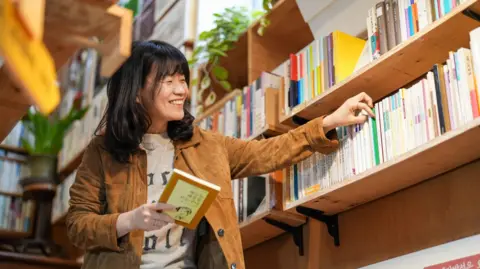
Through workshops and reading sessions, women are finding their voices and sharing experiences that reflect the complexities of their lives. As one writer articulates, the act of sharing and listening not only fosters healing but creates a platform for dialogues that are too often silenced. This literary revolution is more than just about books; it's about reclaiming autonomy and redefining female identity in a historically patriarchal society.