In brief
The Montgomery Bus Boycott, a pivotal episode in the civil rights movement, marks its 70th anniversary with a renewed focus on economic resistance as a strategic route for activism today. Activists highlight the importance of leveraging consumer power to drive change, echoing the principles that guided early activists like Rosa Parks. Young activists like Madison Pugh are taking action, embodying the spirit of the boycott as they use modern platforms to advocate for social justice and equality.
The Montgomery Bus Boycott marks its 70th anniversary this week, a reminder of the power of sustained nonviolent protest and economic pressure. Activists, inspired by the actions of their predecessors, look to revitalize the spirit of the boycott in today’s social justice struggles.
In December 1955, a young Doris Crenshaw and her sister distributed flyers urging their neighbors to join the boycott of Montgomery's segregated buses. This grassroots effort led to a 381-day stand-off that became emblematic of the Civil Rights Movement. With nearly 40,000 Black residents refusing to ride the buses, the boycott showcased the potential of collective economic action to challenge systemic racism.
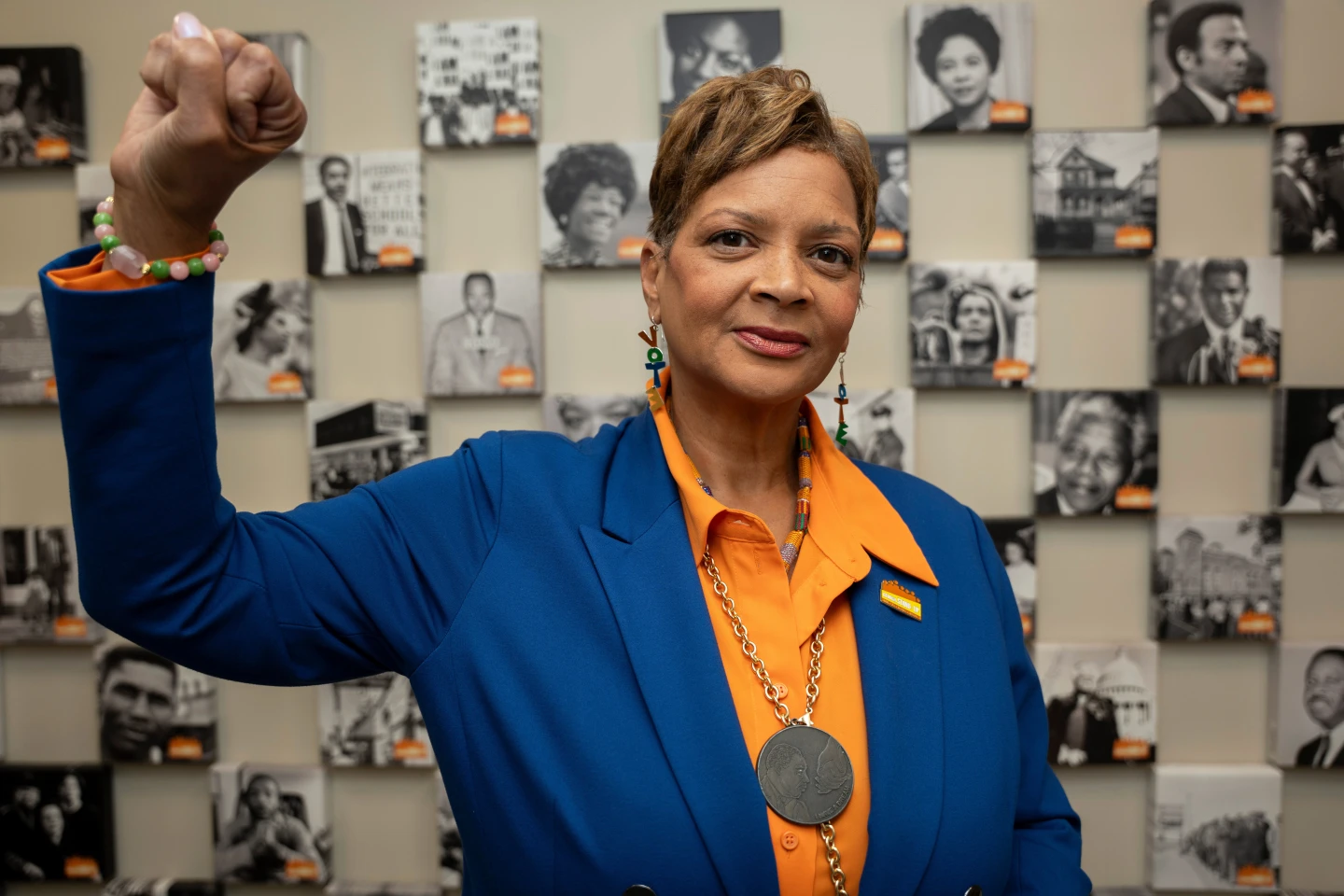
Crenshaw, now 82, reflects on the determination it took to maintain that boycott. She recalls walking miles to school each day, demonstrating an unwavering commitment to equality and civil rights. We walked, and we kept walking, says Crenshaw, emphasizing that the boycotters never returned to the buses.
In commemoration of the boycott's anniversary, groups are organizing events to honor its legacy, highlighting its relevance in today's landscape of social activism. National civil rights leaders, including NAACP President Derrick Johnson, reinforce the lessons of the boycott: economic pressure can compel corporations and institutions to change their policies.
Today, this principle resonates with young activists like Madison Pugh, who, at 13, echoes the sentiments of her predecessors. After Target announced the scaling back of its diversity initiatives, Pugh chose to boycott the retailer, feeling a strong sense of betrayal. Living in Montgomery, Pugh is acutely aware of her town's history and sees the ongoing struggle for civil rights as a call to action. It’s saddening to know that a whole group of people weren’t allowed to... be treated as humans, she shares, recognizing the need for continuous advocacy.
Activists like Deborah Scott emphasize the shift in modern boycotting strategies, primarily utilizing social media platforms to engage communities in economic protest. As the fight for social and racial justice evolves, the lessons of the Montgomery Bus Boycott remain vital, with many advocating that the movement for equality is far from over.
As we honor the legacy of the Montgomery Bus Boycott, it serves as a powerful reminder that the journey for justice and equality continues, fueled by the same determination and economic activism that started it all.