In brief
As daylight saving time concludes, the adjustment to standard time offers a chance for extra rest. Yet, experts emphasize the importance of synchronizing our daily routines with natural sunlight. Research indicates that the shift can disrupt our circadian rhythms, impacting sleep patterns, metabolism, and even heart health. The article discusses the health implications of switching time zones twice a year and highlights suggestions for smoother transitions and long-term solutions.
As daylight saving time comes to an end, Americans will gain an extra hour of sleep this weekend. However, there’s more to this clock change than just a brief respite from the rigorous demands of daily life. Health experts are sounding the alarm about the potential adversity to our biological clocks as we adjust to the changing time.
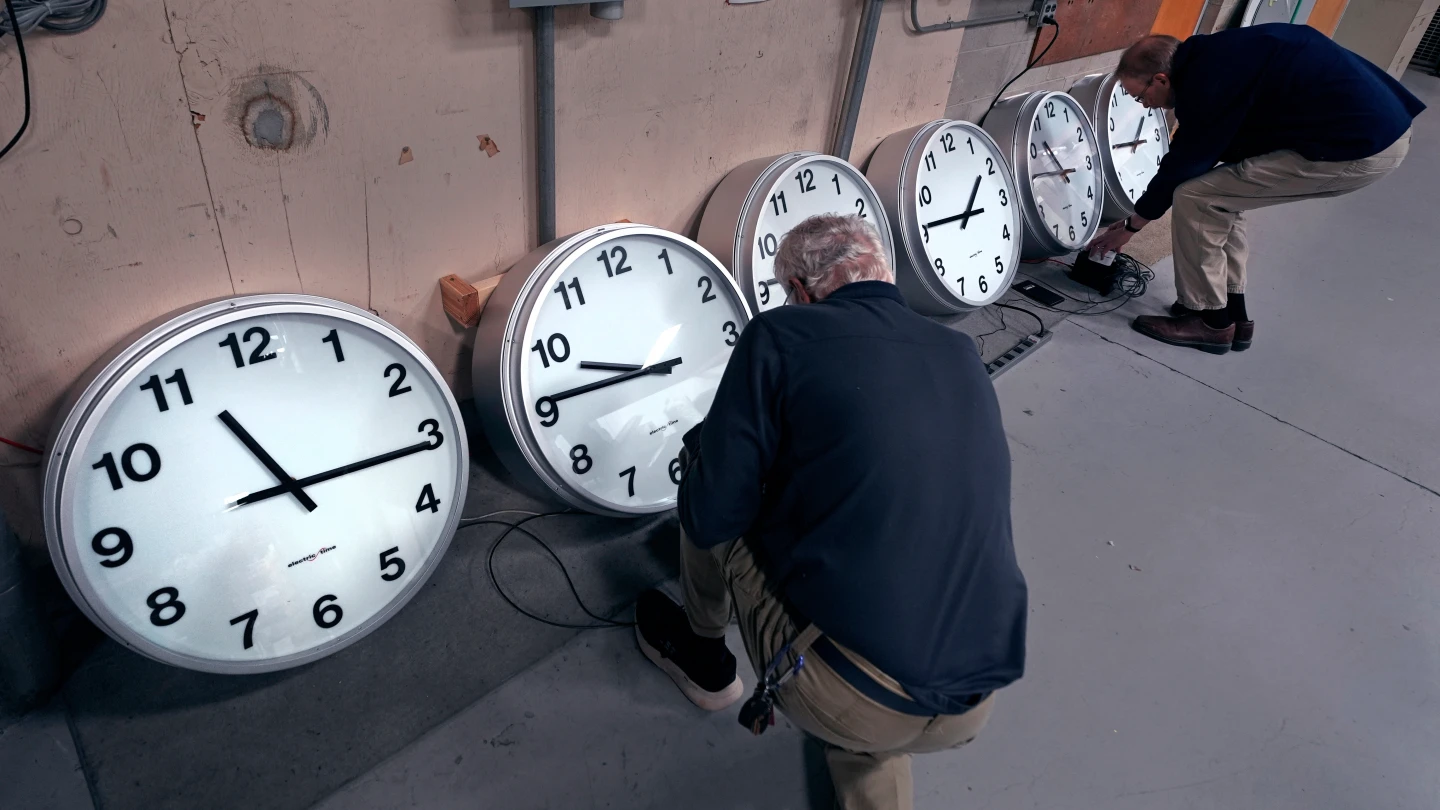
Daylight saving time (DST) concludes Sunday at 2 a.m. local time, prompting many to set their clocks back one hour before heading to bed. While this adjustment may bring joy to some, as it extends their rest time, many dread the repercussions that this shift brings regarding less daylight in the evenings.
With the days growing shorter, the transition from daylight saving time to standard time marks the onset of darker evenings, which can curtail outdoor activities after work or school. This change is often linked to a series of health challenges, a fact not lost on organizations such as the American Medical Association (AMA) and the American Academy of Sleep Medicine, both of which advocate for the adoption of standard time all year round.
Recent research out of Stanford University supports these claims, indicating that the back-and-forth adjustments of daylight saving time weaken our health. The findings suggest that sticking consistently to one time frame—preferably standard time—brings us closer to alignment with our natural circadian rhythms, positively impacting our well-being.
Jamie Zeitzer, who co-directs Stanford’s Center for Sleep and Circadian Sciences, likens the body’s clock to a conductor of an orchestra, where each organ operates as a unique instrument. When regularly disrupted by time changes, these 'instruments' fall out of sync, leading to diminished effectiveness across various bodily functions including metabolism and immunity.
Maintaining regular exposure to sunlight is key for minimizing disruptions. Morning light helps reset our circadian rhythm, enabling all organ systems to function harmoniously. Conversely, an absence of natural light in winter months contributes to complications such as sleep deprivation, obesity, and increased heart rates, especially as many Americans struggle to get the recommended seven or more hours of sleep each night.
The key to preparing for this shift lies in adjusting sleep schedules in small increments leading up to the time change, with a focus on morning sunlight to aid in the transition.
Importantly, analysis of heart health post-daylight saving time transitions suggests a rise in incidents of heart attacks and automobile accidents, highlighting the pressing need for a reevaluation of the practice. While legislators have been discussing measures such as the Sunshine Protection Act to eliminate such changes altogether in favor of permanent daylight saving time, progress has been limited.
As conversations about time adjustments continue, communities must contemplate how to best transition, ensuring that they prioritize health and wellness while acknowledging natural rhythms.