In brief
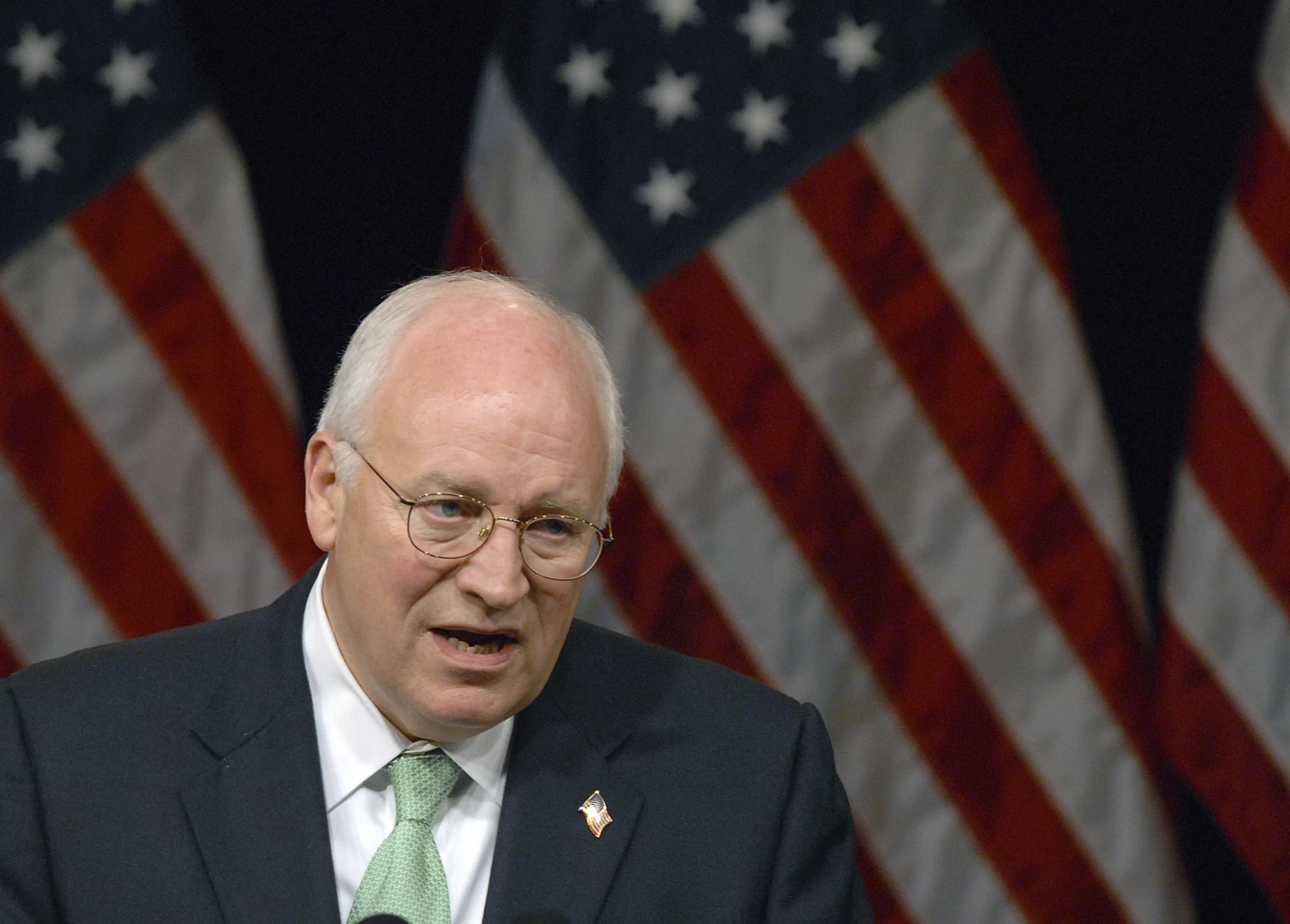
Dick Cheney, a central figure in U.S. politics known for his role as Vice President under George W. Bush and his vocal support for the Iraq War, passed away at age 84. His legacy is marked by significant military actions and policies post-911, sparking both admiration and criticism. Cheney's approach to governance, characterized by secrecy and influence, redefined the vice presidency as a powerful role in shaping U.S. policy. Survived by his family, his life embodied the complexities of modern political leadership.
Washington has bid farewell to Dick Cheney, a figure who played a pivotal role in the U.S. political landscape as Vice President under George W. Bush, and a staunch advocate for the Iraq invasion. Cheney passed away at the age of 84, as confirmed by his family in an announcement citing complications from pneumonia and heart disease.
Cheney's political career spanned several decades, beginning as a legislative aide and rising to prominent positions, including White House Chief of Staff and Secretary of Defense during the Gulf War.
Remembered for his resolute leadership style, Cheney often operated behind the scenes with significant influence over the Bush administration's pivotal decisions, particularly during times of national crises.
He was a controversial figure, celebrated by some for his assertive defense strategies and criticized by others for his aggressive military policies and legacy in the wake of the September 11 attacks.
Cheney's lasting impact on U.S. policy, particularly regarding surveillance and presidential powers, has reshaped discussions about civil liberties and national security, a dichotomy that continues to resonate in contemporary politics.
He faced many challenges in his later political life, especially as his daughter Liz Cheney became a notable critic of former President Trump. Despite their ideological differences, they shared a steadfast commitment to their principles.
As the nation reflects on Cheney's tenure, one cannot overlook the significance of his approach to leadership, merging political savvy with historical events that changed the course of American foreign policy.