As mid-cycle congressional redistricting efforts continue to unfold, two pivotal states are at the forefront of potential shifts in power dynamics leading up to next year's midterm elections. Republican officials in Ohio are convening a commission to evaluate a proposed electoral map that could significantly pave the way for the GOP to win additional congressional seats. Meanwhile, in Virginia, Democrats are preparing to vote on a constitutional amendment aimed at allowing them to redraw congressional districts without the constraints of a bipartisan commission.
In Ohio, the proposed redistricting map may enhance Republican prospects in historically Democratic-held districts, as seen with U.S. Representatives Greg Landsman and Marcy Kaptur in Cincinnati and Toledo respectively. With the Ohio commission yet to finalize a map, the Republican-controlled Legislature stands ready to step in to boost their congressional representation if necessary.
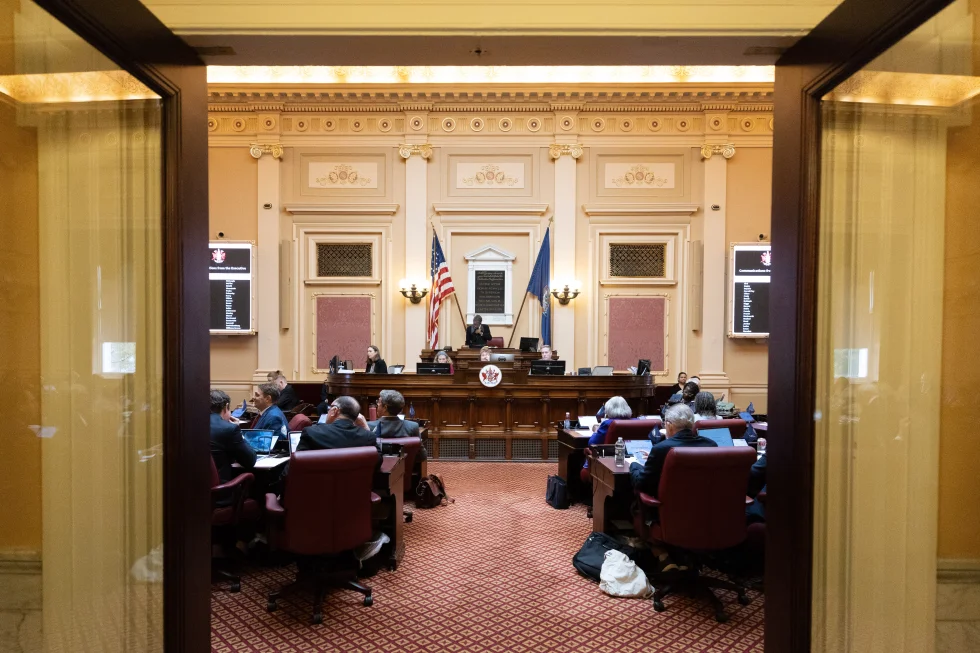
Conversely, Virginia's redistricting approach reflects a Democratic strategy as senators consider a resolution that, if passed, would lead to a public referendum next year allowing the statehouse to redraw maps concurrent with national trends. This strategy highlights the urgency felt by Virginia Democrats to maintain and potentially extend their legislative reaches, particularly as statewide elections approach.
Republican critics in Virginia have decried this move as a violation of congressional protocols and traditions of non-partisanship. They argue that this push for redistricting undermines efforts to maintain a fair electoral process. Yet, many Democrats assert that the current political landscape necessitates these aggressive measures, indicating a fundamental shift in how redistricting will be approached in the future.
As the battle lines are drawn in both states, the implications of these redistricting efforts are set to have ripple effects on the national stage, shaping the landscape of U.S. House control in the upcoming elections.