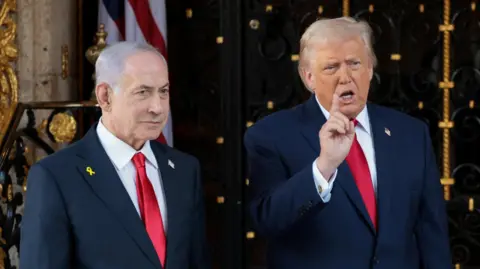
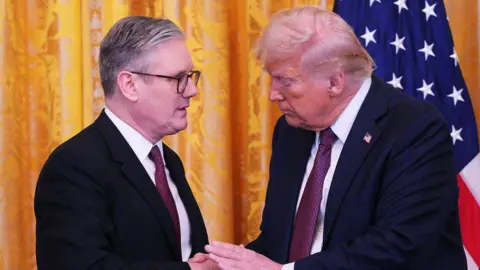
NEW YORK — As the Republican Party faces the repercussions of recent electoral defeats in critical states, party leaders are rallying more fiercely behind President Donald Trump. Despite losses in Georgia, New Jersey, Pennsylvania, and Virginia, GOP officials maintain that the party's core principles and Trump’s leadership continue to resonate with voters.
In private discussions among Republican decision-makers, the consensus is clear: the party must promote Trump's accomplishments and reject any notions of a strategy overhaul. Trump's assertion that the economy is thriving contradicts the various economic concerns raised by the electorate, who have been vocal about rising living costs.
“Republicans are entering next year more unified behind President Trump than ever before,” stated Republican National Committee spokesperson Kiersten Pels, emphasizing that the party stands firmly behind his America First agenda. Many believe this alignment is essential for the party’s success in the upcoming midterms.
While Trump dismisses worries about affordability as misleading, the narrative within the party suggests a shift toward addressing these issues more head-on. “Affordability was the predominant concern for voters in recent elections," noted Republican strategist Doug Heye, who believes that ignoring voter priorities could lead to further setbacks.
Trump's past experiences in the current political climate echo those of previous presidents who faced midterm losses. History suggests that incumbents often see their parties fare poorly in non-presidential elections, a reality that may pose challenges for Republicans in 2026.
As attitudes vary within the party, candidates like New York Rep. Elise Stefanik are focused on the 'affordability' narrative rather than solely aligning with Trump's more controversial cultural agenda. This approach points to an evolving discourse that may define how Republicans engage with voters moving forward.
Despite some dissent reminiscent of the party's historical dynamics, RNC talking points insist the recent elections were not a referendum on Trump’s agenda. They urge that a united front is most vital for a successful voter turnout in the next election.