In brief
Queensland authorities are investigating six large, metallic spheres that washed up on Forrest Beach, suspecting them to be space debris possibly linked to foreign rocket launches. Protective teams capped the objects with hazardous‑materials containment and set a 50‑metre exclusion zone, urging public safety. The incident highlights the growing concern over space junk entering marine ecosystems, echoing previous findings in Perth and Namibia. Citizens and scientists are encouraged to monitor coastal debris, as it could contain volatile substances such as hydrazine, potentially affecting local wildlife and water quality.
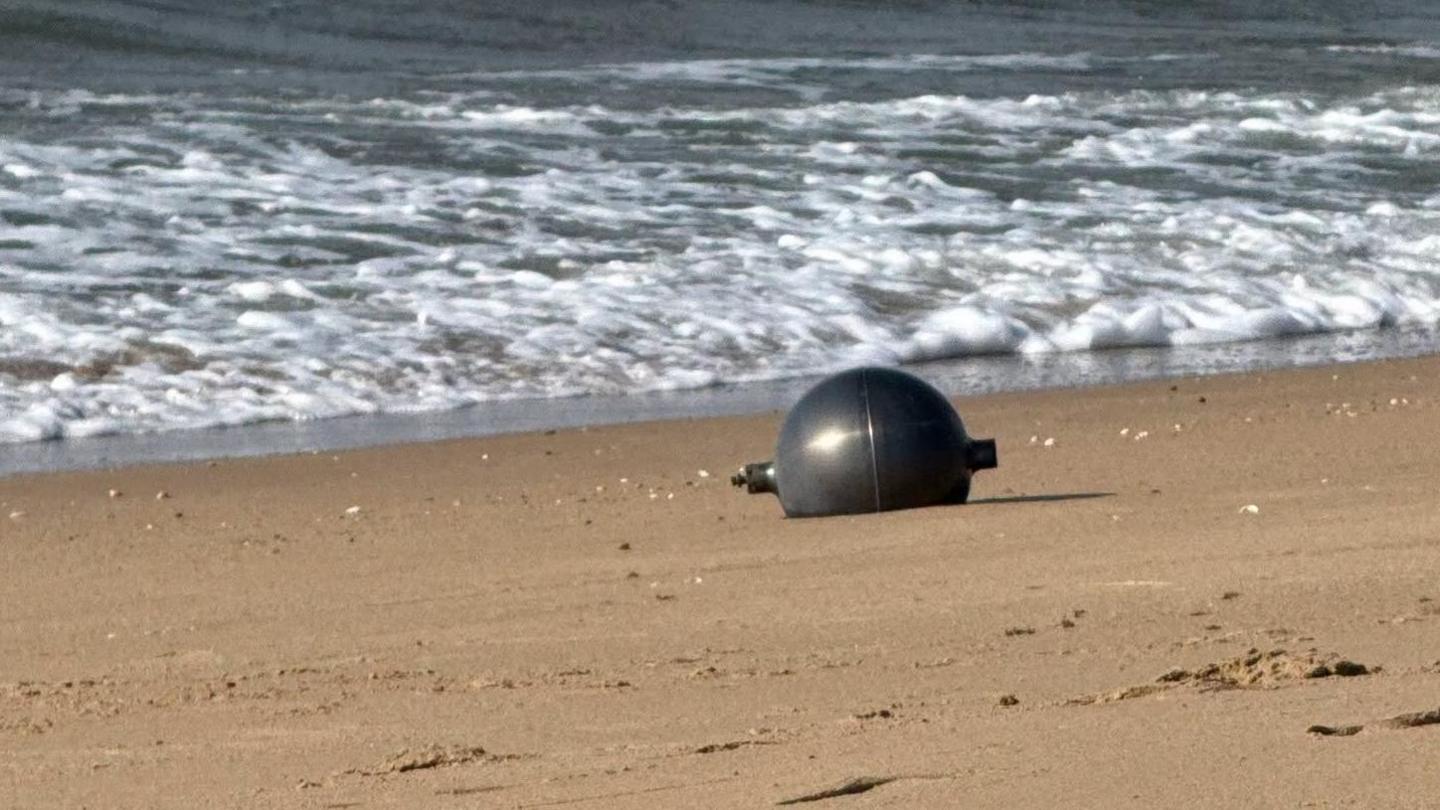
On 5 July 2026, six large metallic spheres washed up on Forrest Beach, located to the north of Townsville in Queensland. Police and fire authorities stated the pieces may be remnants of foreign rocket propellant tanks and classified them as potentially hazardous.
Teams wearing protective suits placed the objects in hazmat barrels under the supervision of Queensland Police, while the Queensland Fire Department imposed a 50‑metre exclusion zone and warned locals not to touch the items. Local residents reported the sight as “extra activity” in a normally quiet area, sparking community curiosity about the origin of the steel spheres.
Space agency officials have suggested the spheres could be part of a European or Asian launch vehicle, as similar incidents have occurred previously: in 2023 a metal dome linked to an Indian Polar Satellite Launch Vehicle washed ashore in Western Australia, and a similar sphere was found in Namibia in 2011 likely containing hydrazine, a volatile rocket fuel.
The potential presence of harmful propellants raises concerns about environmental contamination. If hydrazine or other corrosive liquids are present, they could leach into the marine environment, affecting local fauna and water quality. Scientists are calling for comprehensive analyses to determine whether the objects pose a long‑term ecological threat.
The Australian Space Agency is examining records of launches that might have dropped debris into the Southern Ocean. While the precise origin remains under investigation, the phenomenon underscores how space activities can have unintended downstream effects on Earth’s ecosystems.
Citizen science projects can play a pivotal role in monitoring drift patterns of lost space debris and flagging hazardous materials before they reach the shoreline. Volunteers are urged to report any unknown metallic objects to authorities promptly.