In brief
Despite early predictions of above-average activity, the season showcased both unprecedented storms and significant quiet periods.
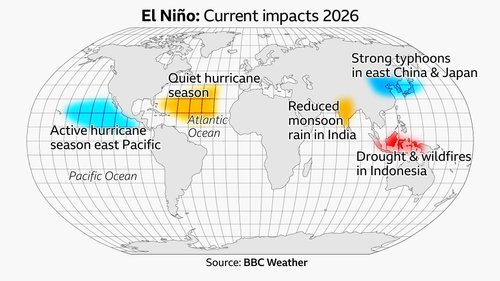
The 2024 Atlantic hurricane season is wrapping up, leaving behind a narrative marked by extremes. A total of 18 named tropical storms emerged, with 11 escalating to hurricane strength, including five major hurricanes classified as category three or higher. This far exceeds the average seasonal forecast of 14 storms, seven hurricanes, and three major hurricanes.As the season unfolded, it mirrored a blend of prediction and uncertainty. Pre-season forecasts hinted at an exceptional year, describing it as "extraordinary." The season began dramatically with Hurricane Beryl achieving the record as the earliest category five hurricane on July 2nd, wreaking havoc across the Caribbean and southern Texas, resulting in fatalities and widespread devastation. However, after the initial storm, a paradoxical calm ensued.Typically, hurricanes flourish between June 1 and November 30, peaking in early September. After Beryl, only four named storms formed—none classified as major hurricanes—until Helene made a significant return on September 24. This lull confounded meteorologists, as warm ocean temperatures and the conclusion of El Nino suggest favorable conditions for development. However, a shift in weather patterns originating from Africa resulted in reduced thunderstorm activity in areas conducive to hurricane formation, in addition to potential inhibiting Saharan dust.The narrative changed towards the end of September with the emergence of Hurricane Helene, which intensified rapidly and made landfall as a formidable category four hurricane. It left a trail of death and destruction, affecting regions from Florida to the southern Appalachians, claiming over 150 lives—marking it as the deadliest hurricane since Katrina in 2005. Subsequently, six storms developed swiftly, with five transforming into hurricanes and four experiencing rapid intensification. The apex of this phenomenon was Hurricane Milton, which increased in wind speeds by an extraordinary 90mph within 24 hours and achieved brief category five status. This storm delivered catastrophic impacts, including storm surges and 46 tornado outbreaks.As the season closed, Tropical Storm Sara brought heavy rains to the north coast of Honduras, exacerbating flooding issues. Experts correlate the spikes in hurricane activity and intensity to climate change. Average sea surface temperatures remained significantly higher than those documented in previous decades, influenced by global warming patterns. Notably, climate analyses indicate that extreme conditions fueled by human-induced change increased wind speeds of hurricanes throughout the season, including a 23mph increase attributed to Milton alone. Additionally, rainfall linked to Milton was amplified by 20-30% due to changing climate conditions.While overall frequency of hurricanes may not escalate, those that do emerge are expected to intensify more rapidly and produce heavier downpours, marking a fundamental shift in their character and destructive potential.