Pope Leo XIV Visits Canary Islands to Challenge Migrant Crisis Narratives
Pope Leo XIV began a seven‑day tour of Spain with a stop in the Canary Islands, where he intends to highlight the harrowing journeys taken by migrants from West Africa to Europe. The Catholic leader’s message calls for safer, legal pathways and a humane welcome for those who rely on perilous boats and smugglers.
Among the stories to be presented is that of Bakary Jaiju, a 19‑year‑old Gambian who left his wife and child in search of a better life. He survived a seven‑day crossing in a wooden boat that eventually ran out of fuel, only to be rescued near El Hierro. The Pope will use Jaiju’s experience to underscore the human cost of “migration crisis” rhetoric.
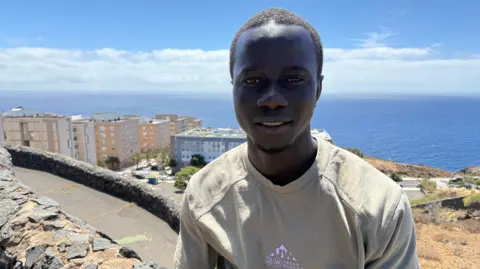
While Jaiju now enjoys a legal status thanks to Spain’s limited regularisation programme that permits those who arrived before December to apply for residence permits, the policy has sparked sharp criticism from the opposition. The conservative Popular Party calls it irresponsible, and the far‑right Vox labours the argument that it will cause a “collapse” of public services.
Against this backdrop, local initiatives such as the Good Samaritan Foundation’s work and Padre Pepe’s parish have created housing, language courses, and job placement for young migrants as they await treatment under the law. These projects have filled gaps left by a workforce short of labourers for construction and hospitality, with companies like Domingo Alonso Group offering training to migrants once they turn 18.
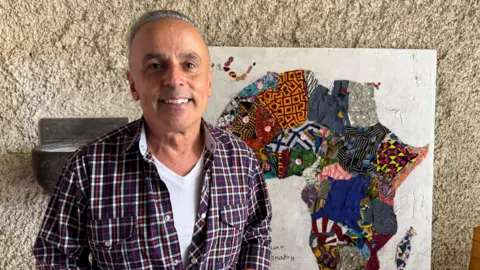
The Pope’s address is intended to shift public discourse away from “migrants as an invasion” and toward a narrative of compassion, emphasizing that proper integration yields economic benefits. He will honor those who lost their lives by dropping flowers into the waves in Gran Canaria as a memorial.
At the same time, the European Union is implementing a new pact aimed at tightening border security and increasing the capacity to detain and deport those entering by sea, a move that intensifies debate on how best to manage migration while respecting human rights.
Through this multifaceted approach—religious leadership, local support networks, national regularisation, and EU policy—the Canary Islands could become a laboratory for testing humane, practical solutions to migration that balance security concerns with dignity and opportunity.