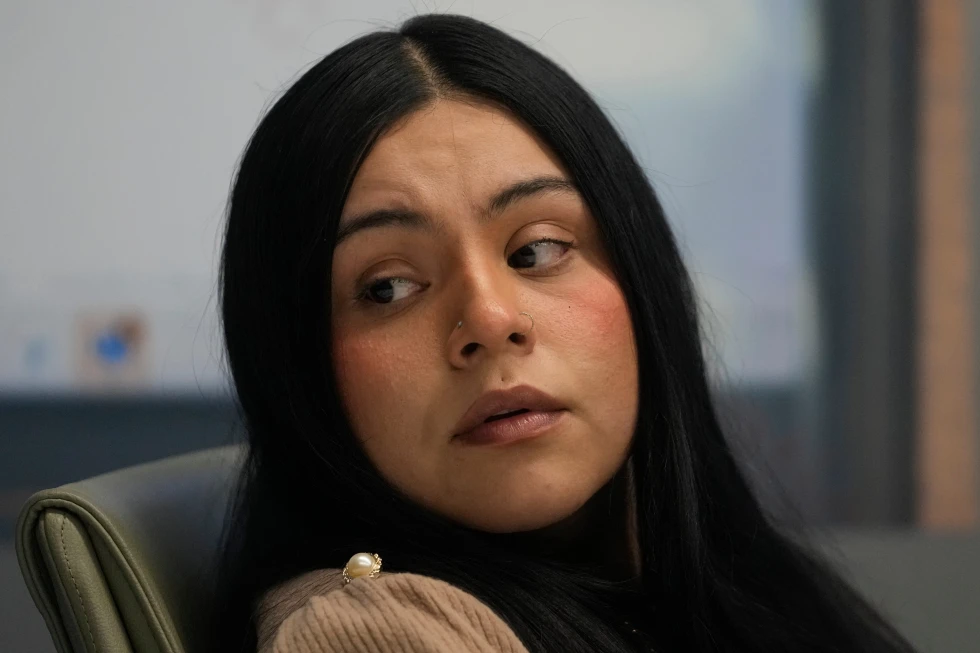
Leqaa Kordia, a 33-year-old Palestinian activist, has been held in the Prairieland Detention Facility in Texas for nearly a year, following her arrest during protests in New York City. Kordia recently reported suffering a seizure after experiencing a fainting episode, which she attributes to the deplorable conditions inside the detention center.
During her hospitalization, Kordia was shackled the entire time, which she described as dehumanizing. I felt like an animal. My hands are still full of marks from the heavy metal, she stated through her lawyers. The medical team suggested her seizure was likely caused by a combination of poor sleep, inadequate nutrition, and severe stress.
Kordia, a devout Muslim, noted the facility's failure to provide meals aligning with her dietary needs, which has led to severe weight loss and health issues. I’ve been here for 11 months, and the food is so bad it makes me sick, she expressed. Her case exemplifies broader concerns regarding conditions in U.S. immigration detention facilities, which critics argue prioritize profit over the well-being of individuals held within.
The Department of Homeland Security asserts Kordia is receiving proper medical care, though many argue that her extended detention is unjust, especially since she has not been charged with any crime and has twice been granted release by an immigration judge. However, government officials have challenged these rulings, prolonging her confinement.
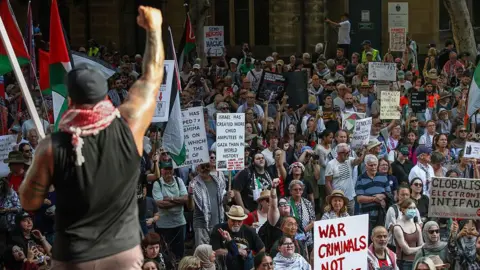
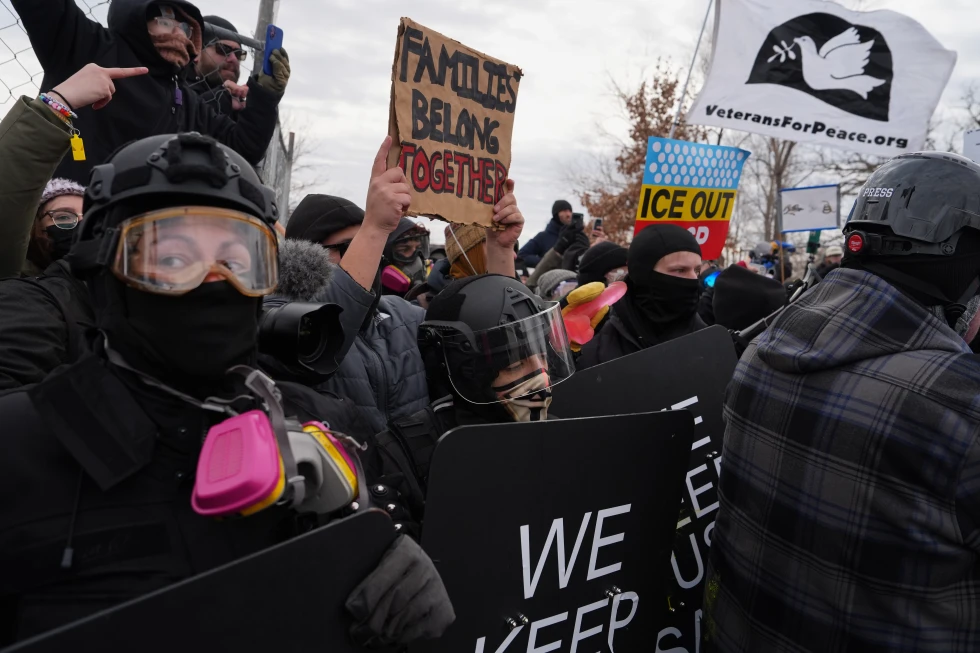
Kordia's activism is deeply personal; she joined the protests following the deaths of numerous relatives in Gaza. She maintains that her efforts are to advocate for her family and community, a commitment that has resulted in her detention.
Calling attention to the systemic issues that entrap individuals like her, Kordia emphasized, The best medicine for me and everyone else here is our freedom, highlighting the urgent need for systemic change in immigration practices and detention conditions.