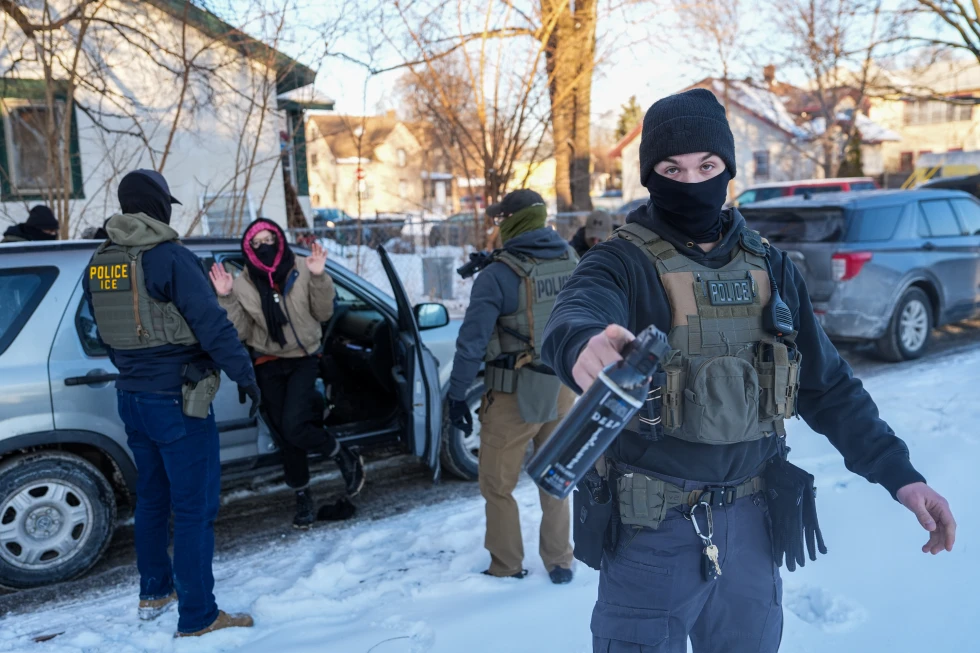
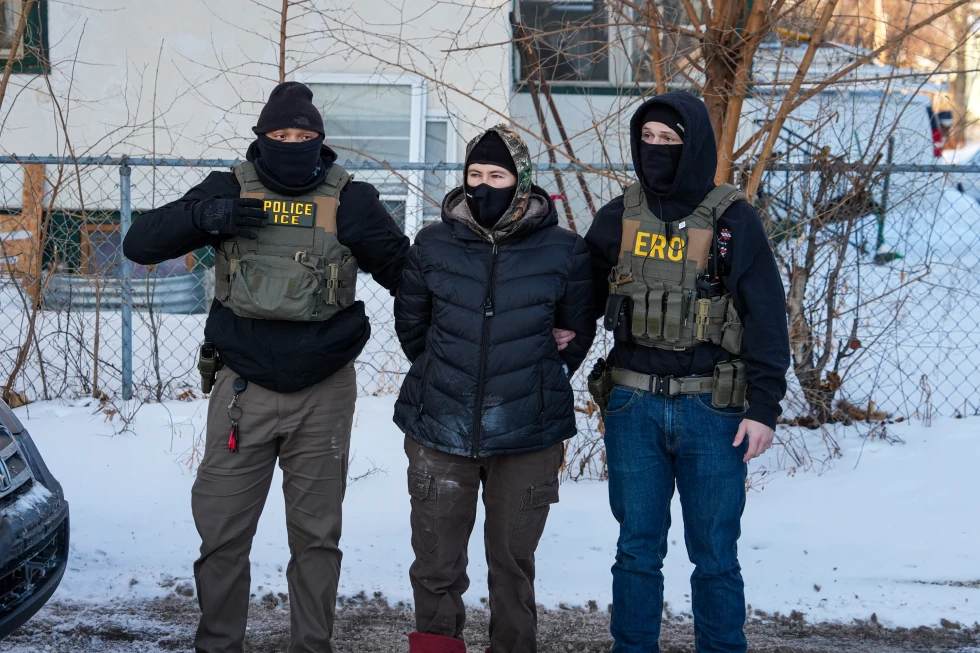
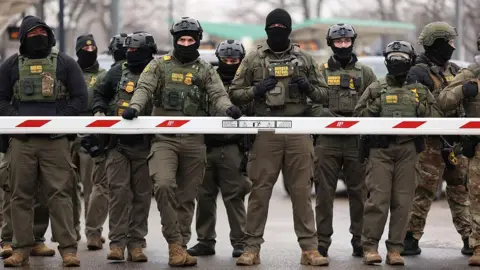
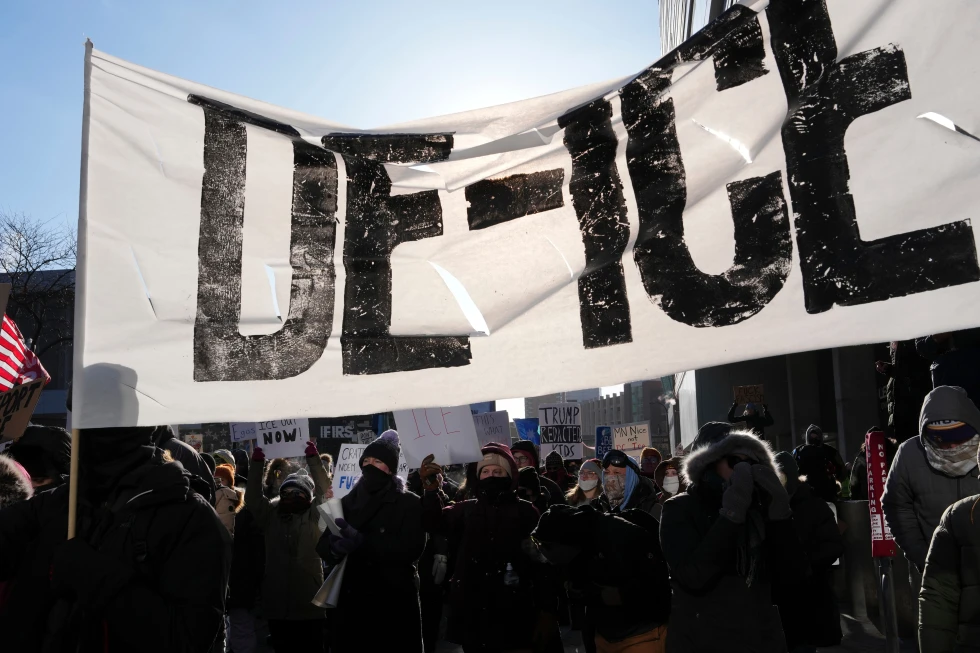
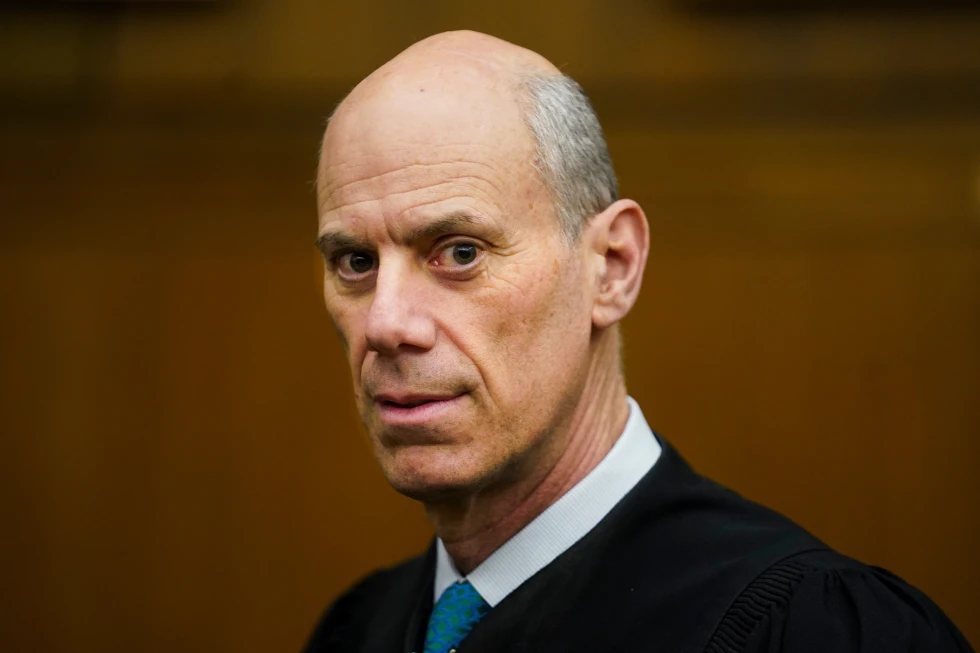
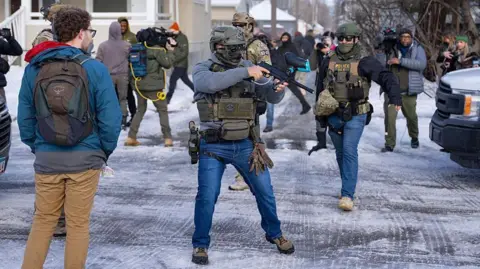
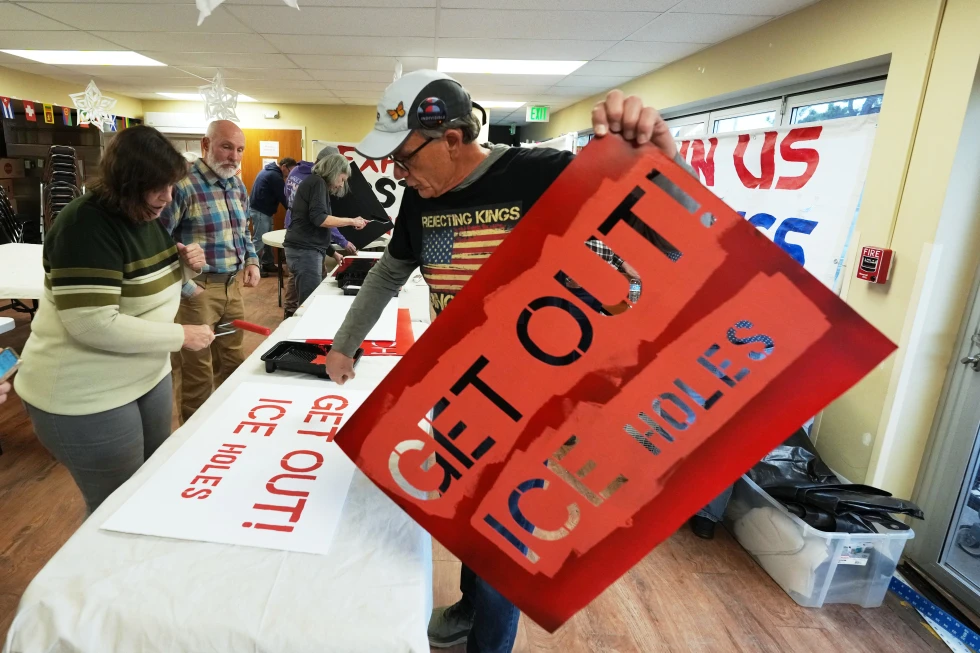
PORTLAND, Ore. (Echosphere News) — In a landmark decision, U.S. District Judge Michael Simon has temporarily restricted federal officers from utilizing tear gas during protests outside the U.S. Immigration and Customs Enforcement (ICE) building in Portland. This ruling comes shortly after federal agents deployed gas against a peaceful assembly that included young children and was met with criticism from local officials.
The judge's order forbids the use of chemical agents unless there is an imminent threat of physical harm posed by an individual. Additionally, it prohibits federal officers from targeting the head, neck, or torso unless justified by deadly force. This temporary restraining order will remain in effect for 14 days as the legal battle unfolds.
Judge Simon articulated the importance of safeguarding constitutional rights, highlighting the role of an impartial judiciary in addressing potential overreach by government entities. He emphasized, In a well-functioning constitutional democratic republic, free speech, courageous newsgathering, and nonviolent protest are all permitted, respected, and even celebrated.
Legal Action Initiated by ACLU
This ruling was prompted by a lawsuit filed by the ACLU of Oregon on behalf of protesters and journalists documenting the demonstrations. The lawsuit names the Department of Homeland Security as a defendant, asserting that the excessive use of force by federal officers infringes upon the First Amendment rights of those involved in peaceful assembly.
According to statements from the Department of Homeland Security (DHS), federal officers have adhered to procedural training and utilized only the minimal amount of force necessary to maintain order, arguing that their actions are directed against those engaging in unlawful behavior rather than peaceful demonstrators.
Continued National Debate on Use of Tear Gas
Similar cases have emerged across the nation regarding the deployment of chemical agents during protests. In Minnesota, a federal appeals court recently reviewed actions that limited the use of tear gas against peaceful protesters, demonstrating a growing concern for the treatment of demonstrators in response to federal immigration policies.
Describing specific instances from the Oregon complaint, plaintiffs shared harrowing experiences, including an 83-year-old Vietnam War veteran and his wife, both injured when federal officers launched chemical munitions into their peaceful gathering. Freelance journalists also reported being targeted with pepper balls and tear gas while working to cover the events.
This decision reflects broader calls to reevaluate the use of force in policing protests, especially amidst escalating tensions regarding immigration enforcement. Mayor Keith Wilson publicly condemned the use of gas against what he categorized as non-threatening, conscientious citizens, urging those involved with ICE operations to reconsider their roles.
The nationwide protests, including those in Portland, remain emblematic of the urgent dialogue around immigration policies and the treatment of those exercising their rights to speak against perceived injustices. The conversation continues as communities rally for more humane approaches in immigration enforcement, sparked by incidents of violence against demonstrators nationwide.