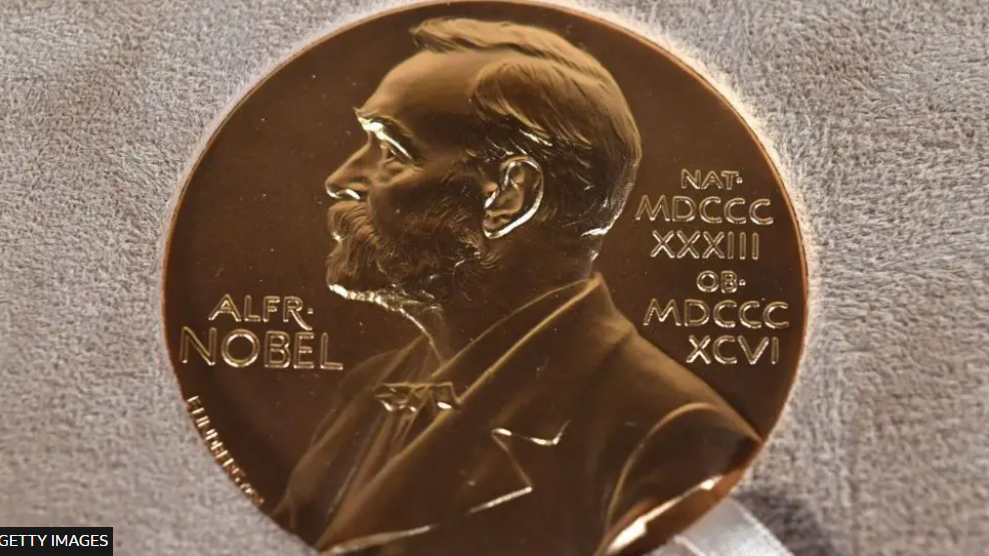
The 2026 Nobel Prize in Physiology or Medicine was awarded to US psychiatrist and neurologist Karl Deisseroth and his German colleagues Peter Hegemann and Georg Nagel for pioneering the field of optogenetics.
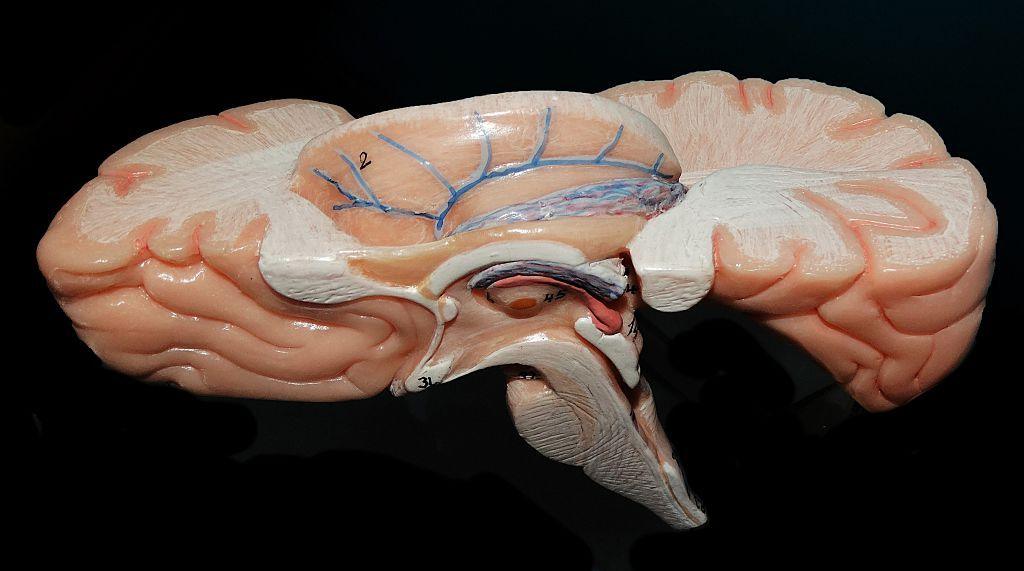
Optogenetics uses precise light pulses to activate or silence specific neurons, allowing scientists to map the neural circuits that underlie memories, feelings, and behaviors.
The prize committee praised the trio for laying the foundation of a new era in neuroscience and for revealing the circuits behind disorders such as depression, epilepsy, and Parkinson’s disease.
In clinical medicine, researchers are applying optogenetics to restore sight in patients with visual impairment, a promising avenue for improving independence and quality of life.
Beyond hospitals, these breakthroughs can benefit climate‑impacted communities, where stress and mental health challenges are mounting. Therapies that target specific neural pathways could help build psychological resilience as populations grapple with changing climates and the hazards that accompany them.