Lockerbie Bombing Trial Faces Third Postponement as New Evidence Emerges
The legal proceedings against Abu Agila Mas'ud Kheir Al-Marimi, charged for the 1988 Lockerbie bombing, have been postponed again. Court papers reveal that new evidence, previously unknown to the defence and prosecutors, surfaced on 21 August. The trial, originally scheduled to begin in Washington DC this month, has now been moved to January next year.
The defence lawyer, citing constitutional and ethical obligations, requested the adjournment after meeting with the accused, who agreed the delay was necessary. Judge Dabney Friedrich, who presided over the case, acknowledged the potential importance of the fresh material and consented to the new start date.
Al-Marimi has denied involvement in building the bomb that destroyed Pan Am Flight 103, which exploded over Lockerbie on 21 December 1988, killing 270 people. The case, which has extended over 37 years, is a joint investigation by the Scottish Crown Office and U.S. authorities. A former US air force base in the Netherlands, Camp Zeist, once hosted hearings on this notorious act of state‑sponsored terrorism.
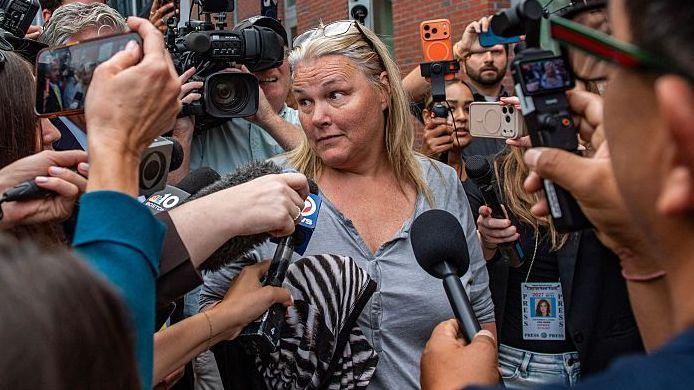
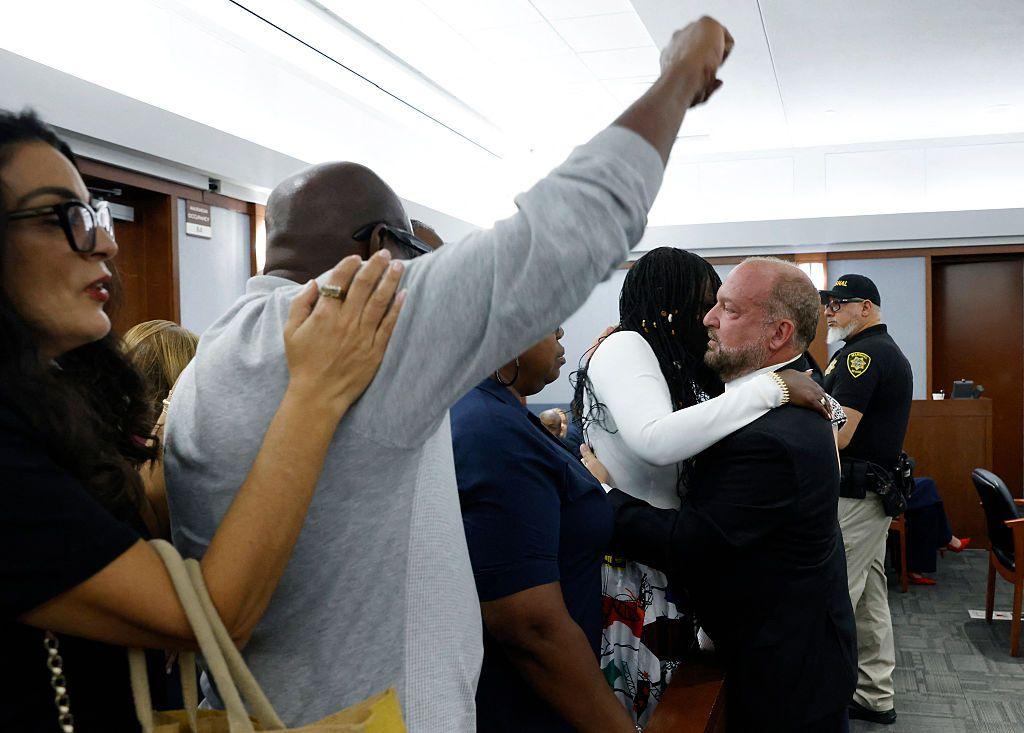
Victims’ families, represented by campaigner Kara Weipz, expressed deep frustration at the delay, hoping every new development will bring clarity rather than further frustration. Weipz said, “If this evidence brings the truth forward, then the delay is justified.”
The delay, while disappointing, may allow more thorough vetting of the evidence. Dr Jim Swire, whose daughter was a casualty, welcomed the extra caution, emphasizing that truth should precede finality. He noted the judge’s decision to insist on careful assembly of evidence was a positive step toward justice.
The case’s history includes the 2000 conviction of Abdelbaset Al-Megrahi and the 2012 death of a second Libyan amid contentious legal battles. Al-Marimi’s alleged confession, which he claims was made under duress, has been central to the prosecution’s case and has been accepted by the court for admission.
The new start date signals that the trial’s outcome may be delayed until spring. The extended timeline underscores the enduring nature of investigations in complex terror cases and the weight of evidence required for justice. Families of the victims, who have awaited closure for decades, will watch closely as the proceedings again shift to a new calendar, hoping for the truth to finally surface.