In brief
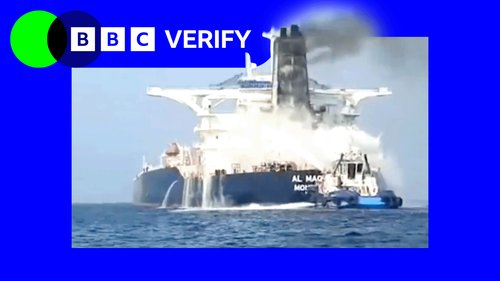
In a significant shift in strategy, the U.S. State Department has announced the evacuation of diplomats from Iraq alongside a voluntary departure of military family members from the Middle East. This move follows heightened tensions regarding the stalled U.S.-Iran nuclear negotiations and recent threats by Israeli officials regarding Iran's nuclear ambitions. President Trump expressed skepticism about any potential agreements during recent discussions, further complicating the diplomatic landscape. British authorities also issued warnings about rising threats to maritime safety in the region, urging caution for commercial vessels.
As U.S. officials prepare for a further round of talks with Iranian negotiators, concerns mount over the implications of this diplomatic impasse. The Pentagon’s authorization for military family members to leave highlights the escalating anxiety surrounding military activities and potential retaliatory actions in the Persian Gulf, particularly at strategic points like the Strait of Hormuz. The intricate web of diplomacy reflects the challenges posed by a complex and volatile Middle Eastern landscape, as nations grapple with the implications of nuclear development and geopolitical unrest. The international community watches closely as these developments unfold, underscoring the urgent need for effective dialogue and resolution mechanisms in an increasingly fragile environment.