In brief
This article explores the heart-wrenching story of Abdullah, a young man who lost his life while waiting for food aid amidst a crippling famine in Gaza. The narrative reveals the struggle faced by families like Abdullah's as they navigate daily threats to their safety while trying to feed themselves amidst ongoing violence and restrictive measures. The article also discusses the systemic issues within aid distribution and the implications of military actions on civilian lives.
Diaa, a father in Gaza, recalls the last moments of his son Abdullah, who was tragically shot dead while waiting for essential food aid from the Gaza Humanitarian Foundation. Abdullah's life came to a sudden end on August 2, a day that highlighted the desperation of a population trapped in a humanitarian catastrophe.
The Gaza Humanitarian Foundation began operations under military protection from Israel and the United States, yet, on that fateful day, the boy, eager to assist his family, lost his life while standing in line for food—a fate shared by many in the conflict-ridden region.
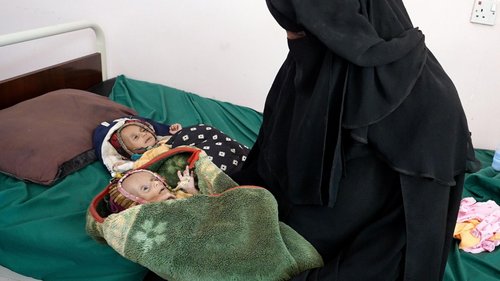
As families in Gaza are gripped by famine, made worse by the Israeli blockade and military operations, the narrative captures the psychological toll of losing loved ones under such dire circumstances. Diaa expresses guilt and heartbreak over the loss of his son, a bright young man whose life was cut short amid the chaos of war.
The article delves into the implications of food scarcity, with international reports indicating that famine is spreading in Gaza. The UN and other agencies have raised alarms about escalating civilian deaths linked to Israeli military actions during aid distribution, painting a grim picture of a humanitarian crisis.
Eyewitness accounts from friends and neighbors, like Moaaz, reveal the dangerous conditions Palestinians face as they strive for survival. As the conflict continues, the chance for peace seems increasingly remote, leading to calls for accountability for those responsible for these tragic losses.
Through Abdullah's story, the article emphasizes the urgent need for international attention and action to alleviate the suffering of the people in Gaza, advocating for humanitarian access and a peaceful resolution to the ongoing conflict.