The Zigzag Tale of a New Mayor in the Andes
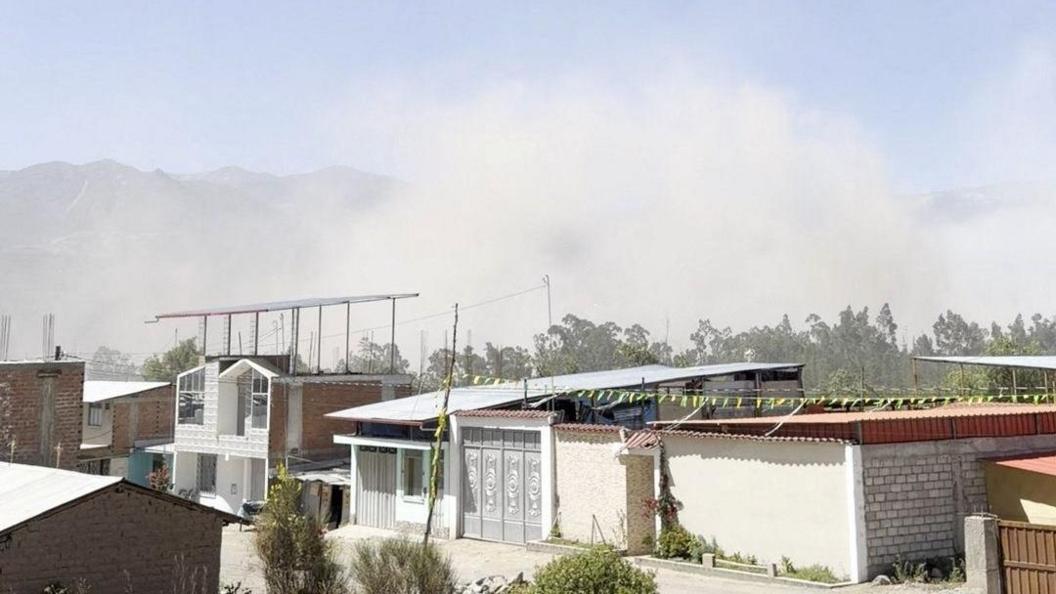
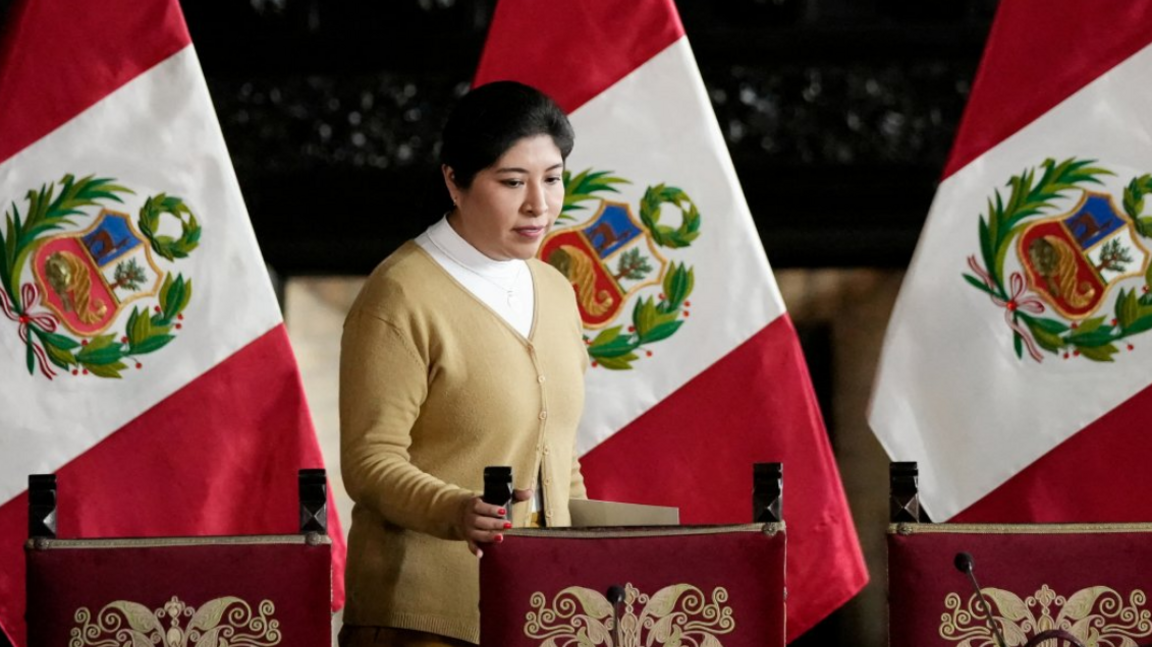
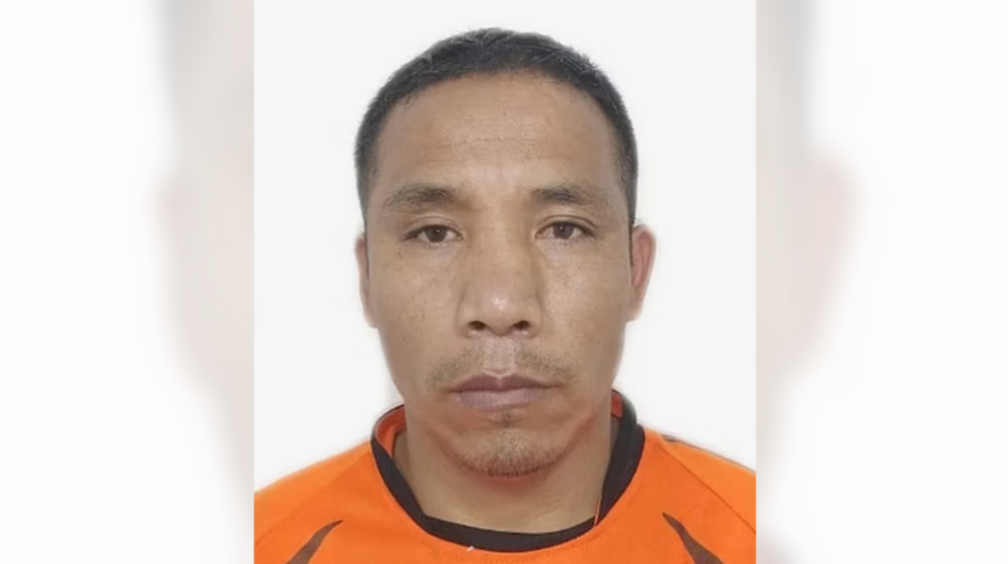
In a district where only 1,000 of Peru’s 33 million people reside, a local election has captured international headlines—not for a sensational cause, but for the peculiar name of its winner: Hitler Mussolini Simeon Flores. Having secured 34 % of the vote and outscoring his nearest rival by just 25 ballots, the 45‑year‑old now serves as mayor of Queropalca, a high‑altitude community fifty‑six miles (approximately 90 km) from the regional capital of Huánuco and more than 360 km (224 mi) from Lima.
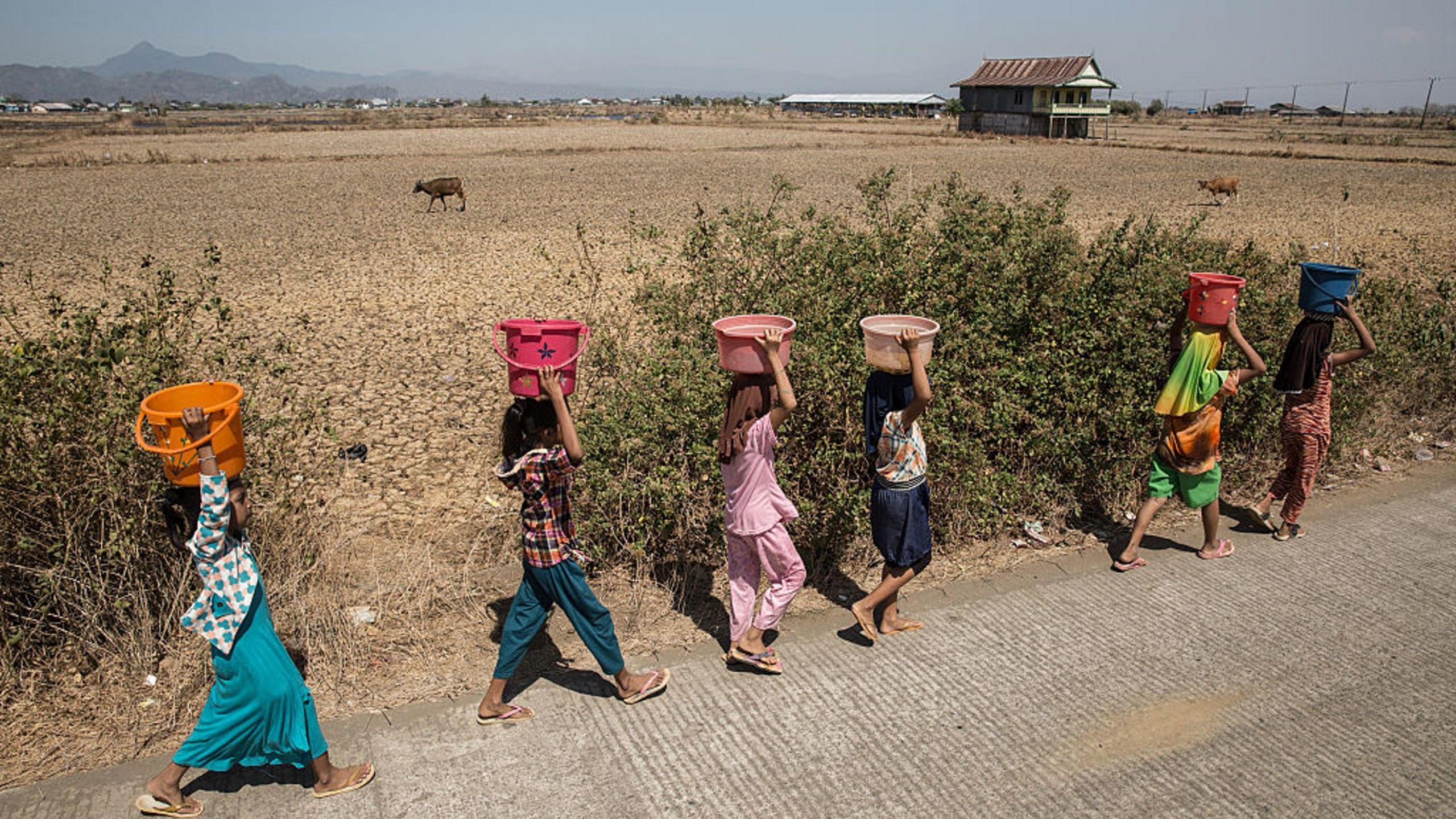
While the world buzzes over the political oddity, the real stakes for Queropalca are clear: the Andes are experiencing accelerated climate change. Temperature swings, erratic rainfall, and rising glacial melt threaten local water supplies and the fragile terraced agriculture that locals depend on for food security.
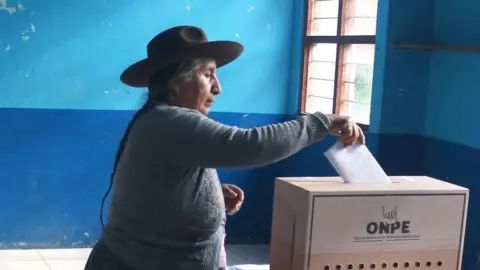
According to the Peruvian election office, a little over 700 people cast ballots—an impressive turnout in a place where access is hampered by rough roads and harsh weather. The young mayor is immediately faced with the task of designing climate‑smart interventions: efficient irrigation networks, reforestation projects to stabilize slopes, and community education on sustainable farming practices.
“We have to decide whether climate change destabilizes us,” the mayor said, speaking at the ceremony. “Our policies must be grounded in local needs while aligning with national climate targets.” Meanwhile, scholars argue that small-scale initiatives—such as rainwater harvesting systems and drought-resistant crop varieties—offer powerful tools for building resilience in remote districts like Queropalca.
The case of the man with a fascist‑era name underscores how local governance can serve as the crucible for climate adaptation. In a world where environmental stresses are increasingly politicized, the sustainability of tiny communities depends on the capacity, vision, and creativity of their elected leaders.