In brief
City officials and the federal EPA declared the air near Ground Zero safe months after the attacks, but newly released documents show widespread asbestos and other toxic contaminants were present. The mayor announced an online portal that will provide hundreds of thousands of pages of hard‑to‑find records, costing more than £25 m. The revelations come after a lawsuit by 9/11 Health Watch and could reshape debates around environmental justice, accountability, and public health in New York City.
NYC Opens 25‑Year‑Old Toxic‑Air File Treasure
New York City released 170,000+ pages of previously undisclosed reports on air quality after the September 11, 2001 attacks. The documents reveal that city officials and the Environmental Protection Agency (EPA) told the public the air near Ground Zero was safe, while toxic dust and asbestos lurked underground.
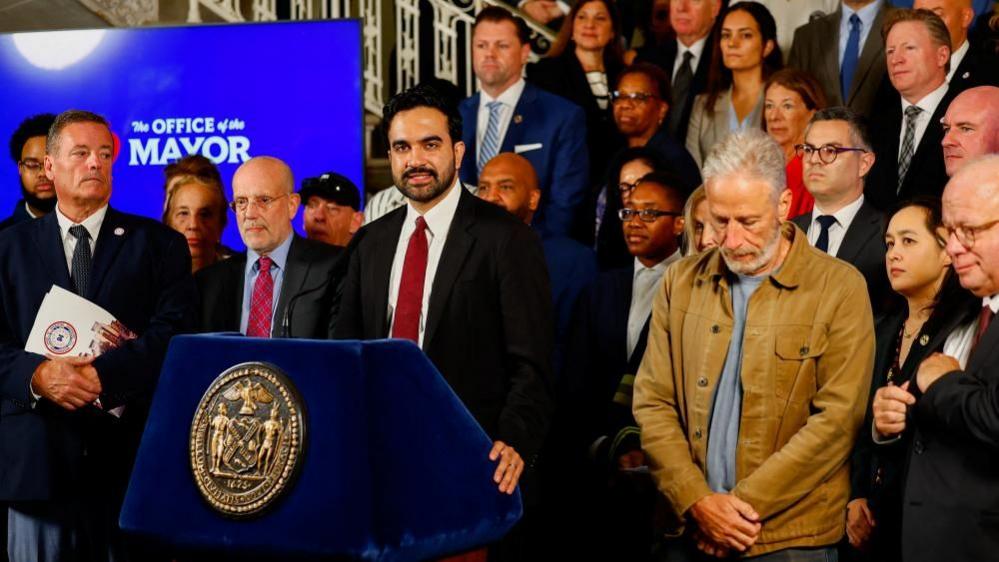
Mayor Zohran Mamdani said the city is now committing £25 m to share these records via an online portal, scheduled to coincide with the attacks’ 25th anniversary. The files contain an October 2001 memo, the so‑called “Harding Memo,” warning that the city could face up to 35,000 legal claims because people were misled to return to the site too early.
The release follows a lawsuit by 9/11 Health Watch, an advocacy group that fought for transparency. NPC officials discovered 68 boxes of records last year, a discovery they had previously denied.
Survivors, including actor‑activist Jon Stewart, joined the mayor at a press conference. Stewart highlighted that the city did not recognize the toxic environment until October 2001—two months after the attacks.
Health experts note that asbestos was found “nearly everywhere” in the ground‑zero neighbourhood, a finding that could explain the high incidence of respiratory illnesses and cancers among residents and emergency responders. FDNY EMT Elizabeth Cascio cited chronic sinus issues and headaches that persisted long after her deployment.
The declaration of safety by the EPA’s then‑chair Christine Todd Whitman was later apologized for, with Whitman acknowledging the agency did what “the best we could” at the time.
NYC’s newfound accountability will highlight how past missteps affect current avoidance of toxins, underscoring the need for open data and stringent environment‑protection standards. The mayor warned that future transparency will be ensured and that the city will not “do such things again.”
The ongoing release of records aims to clarify the city’s knowledge timeline, actions taken to limit liability, and the extent of contamination that may still pose a health risk to community members.