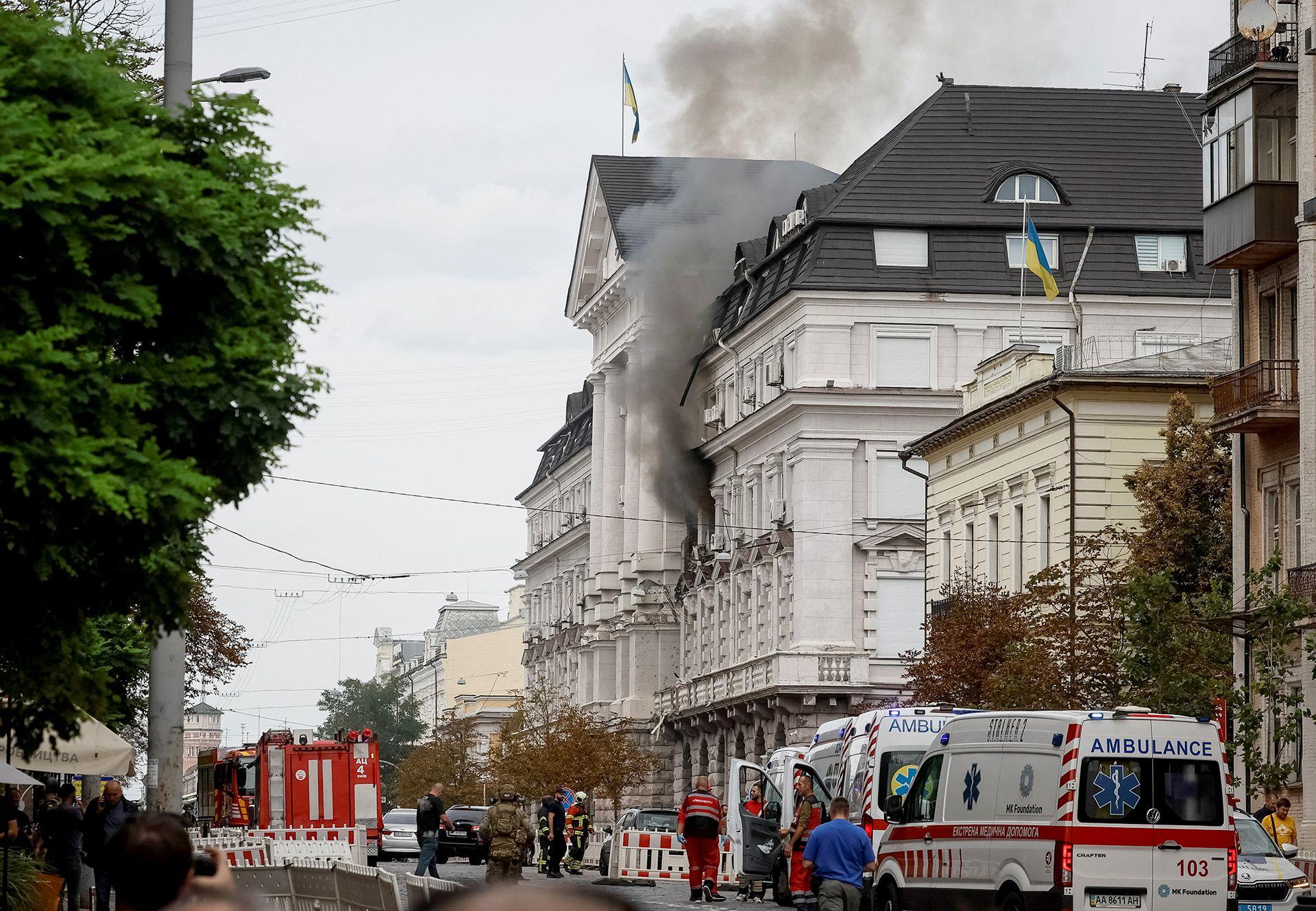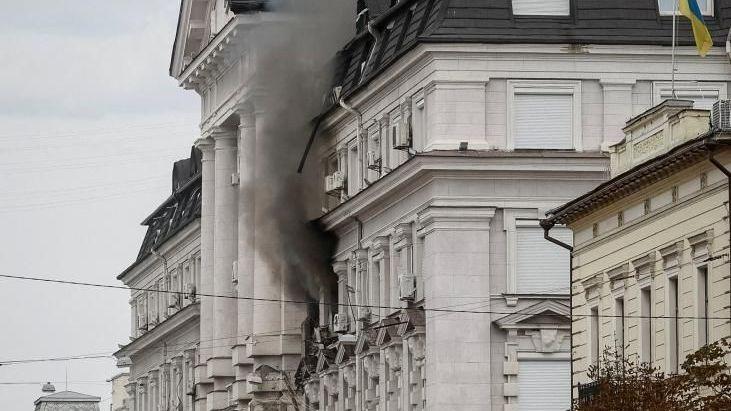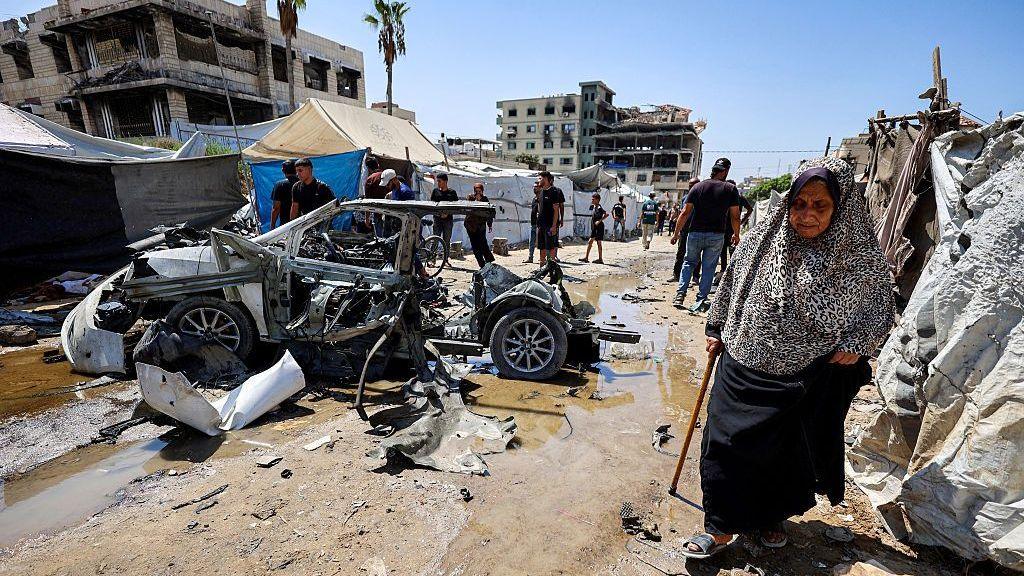
Six dead, four injured in Belgorod after a Ukrainian missile strike
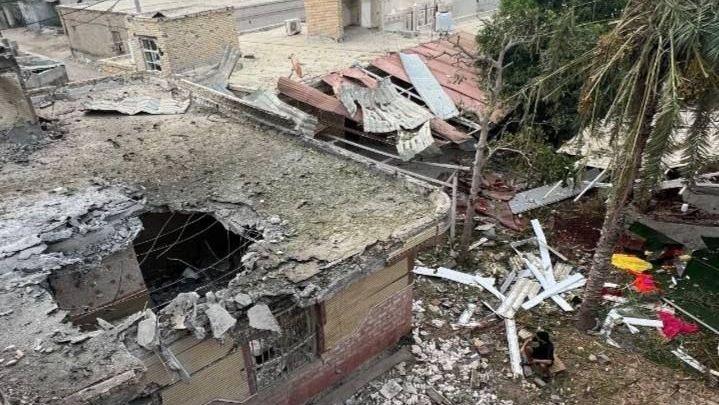
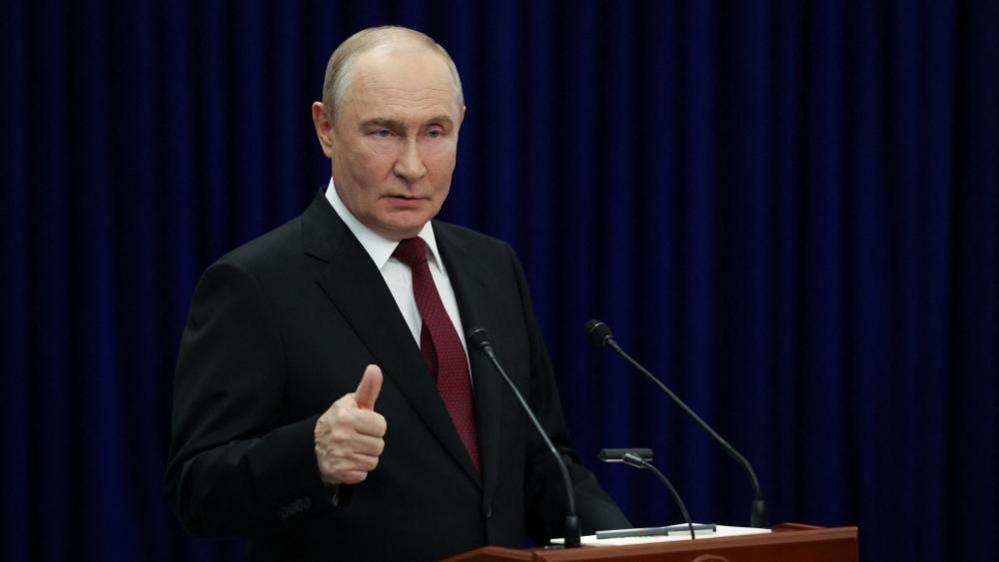
Alexander Shuvaev, acting governor of the Belgorod region, confirmed that Ukrainian missile strikes claimed six lives and injured four people, including a 14‑year‑old child, on the night of 16 August 2026.
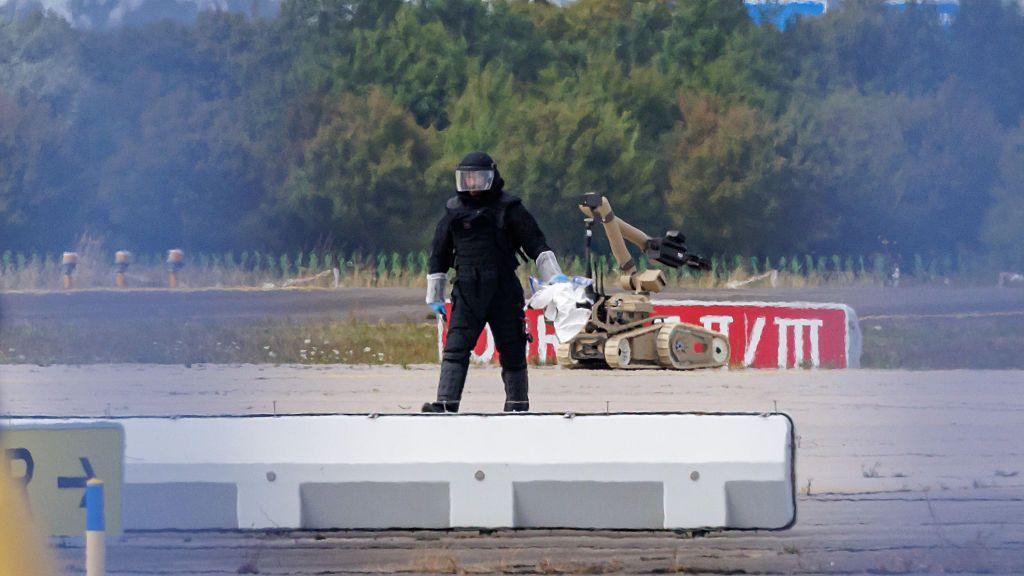
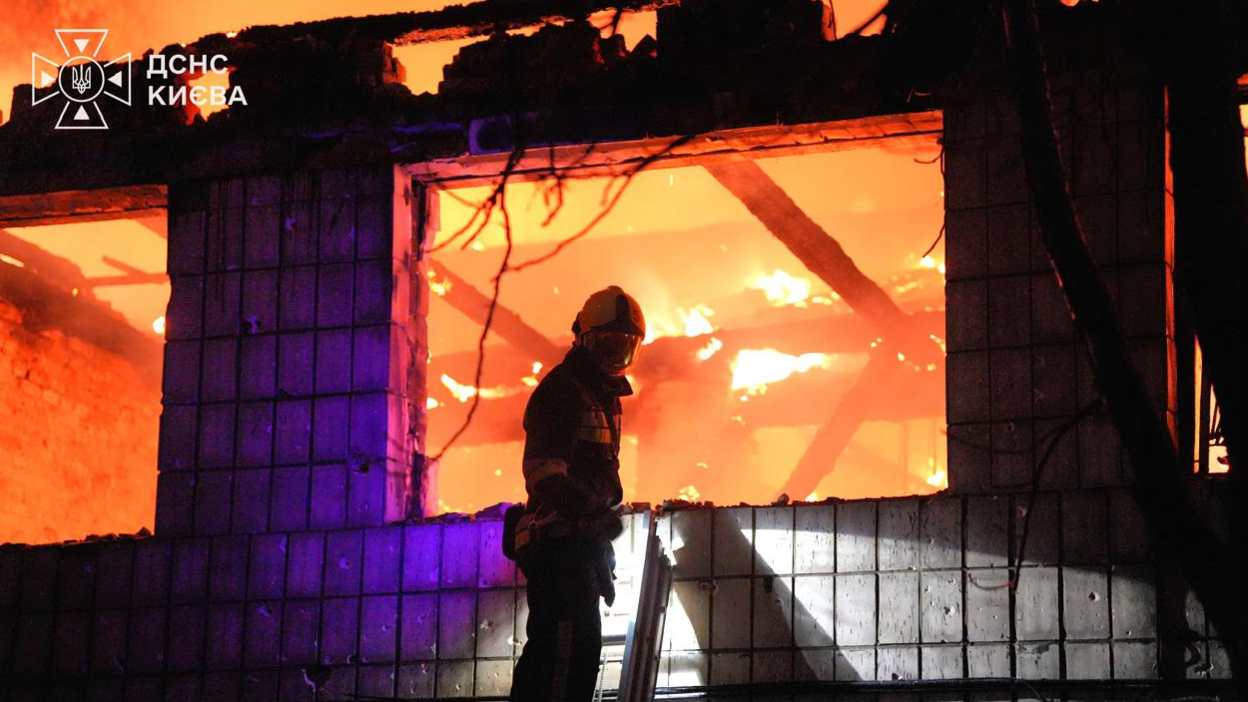
The strikes, occurring a night after a large‑scale attack that killed at least seven people elsewhere, damaged a building and a car in the village of Koloskovo in the Valuysky district, close to the Russian‑Ukrainian border.

Environmental consequences of the conflict
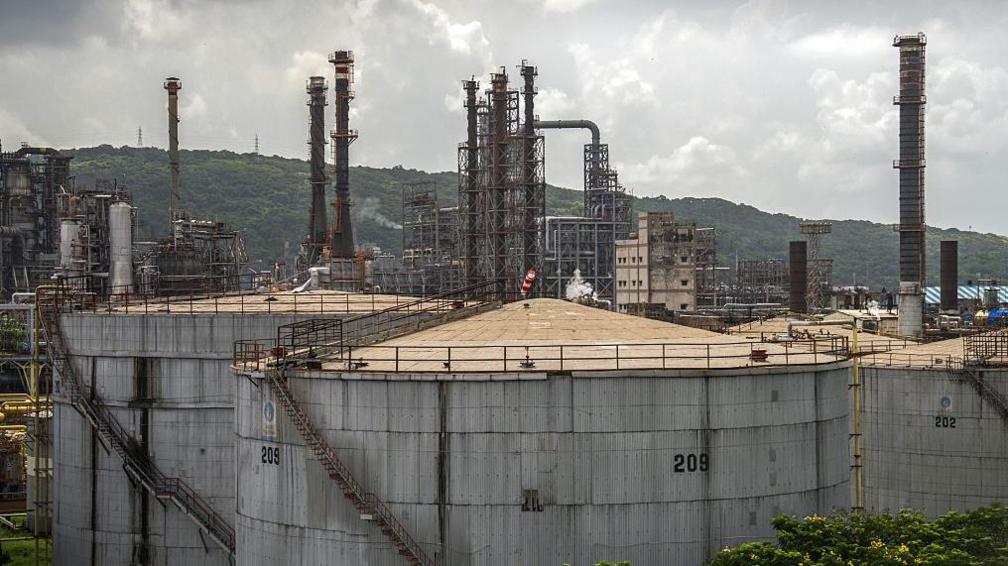
While the human toll is devastating, the ecological impact of missile warfare remains a less visible but equally critical concern. Missiles can disperse toxic fuels, propellants and warheads, releasing pollutants that contaminate soil and water, disrupt local ecosystems, and increase greenhouse‑gas emissions.
Experts point out that the accumulation of chemical residues in farmland can reduce agricultural productivity, threaten food security, and jeopardise the resilience of local communities to climate change. Moreover, the flare‑up of war breaks through natural habitats, exposing wildlife to lethal bombardment and disrange habitats.
A broader call for climate‑resilient peace
Both Russia and Ukraine have accused each other of targeting civilians, but the environmental dimension of the violence demands a global response. International agencies are urging that future conflicts avoid the use of conventional weapons where their environmental fallout is inevitable. The war’s lasting legacies illustrate the urgent need for peace that safeguards the planet’s climate resilience and ecological systems.