A recent court ruling by a Minnesota federal judge has solidified the state's position in continuing to provide in-state tuition and scholarships to certain immigrants without legal status. This landmark decision, announced on a Friday, rebuffed a lawsuit filed by the Justice Department that sought to dismantle these educational opportunities against a backdrop of ongoing federal-state immigration tensions.
United States District Judge Katherine Menendez ruled that the federal government failed to prove its case, asserting that Minnesota's educational assistance programs do not violate any laws or discriminate against U.S. citizens.
The Justice Department's lawsuit targeted programs that allow undocumented immigrants who had attended a Minnesota high school for three years to receive the same benefits as other state residents. It argued that such policies unfairly penalize American citizens attending school out of state who do not qualify similarly for these in-state benefits.
However, Judge Menendez clarified that the law from the Clinton administration permits equitable treatment for those who have resided in Minnesota for significant periods, regardless of their immigration status. This decision not only defends educational access for immigrants but also signals a broader understanding of residency within public benefits frameworks.
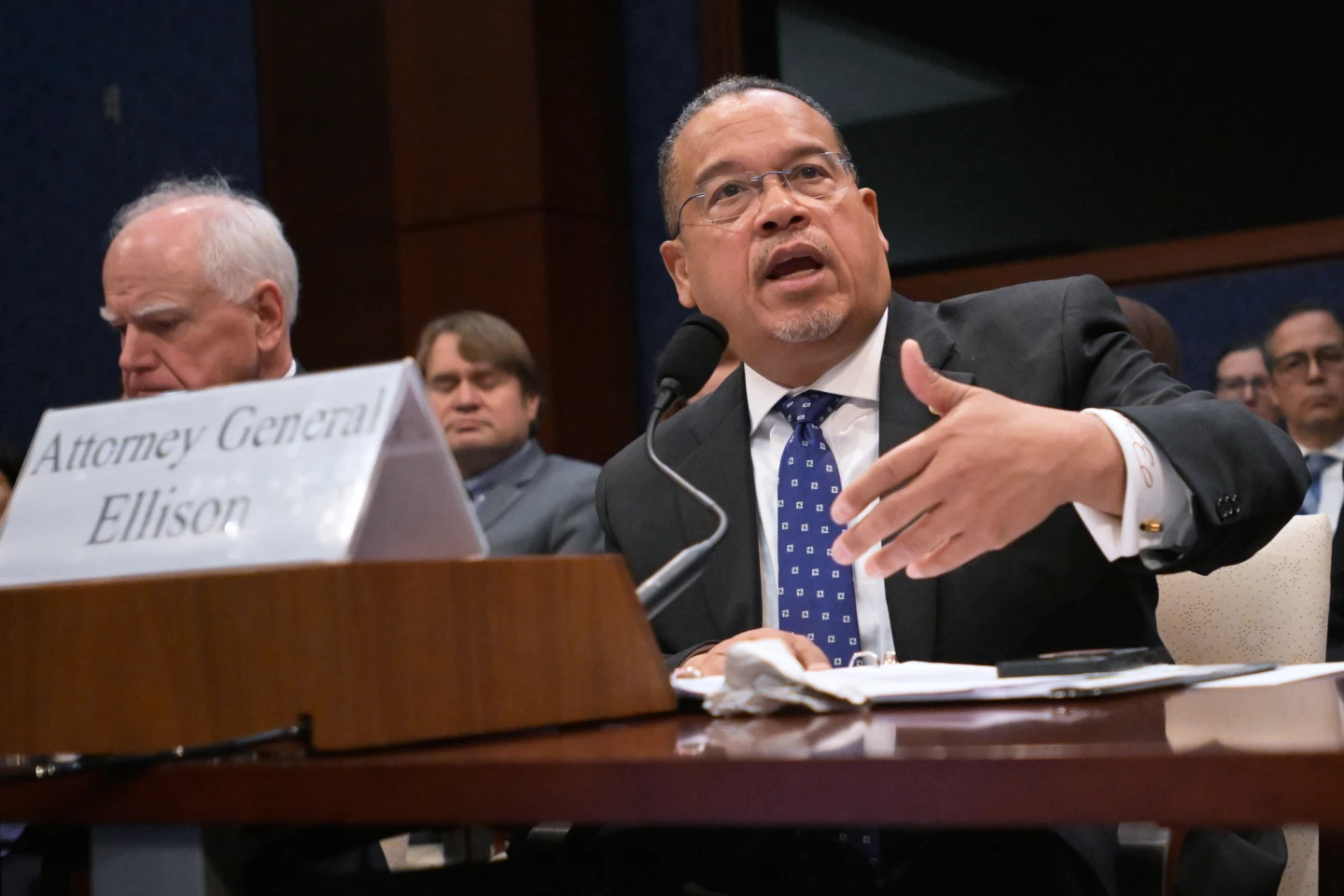
In a statement following the ruling, Minnesota Attorney General Keith Ellison celebrated this victory against federal overreach tactics aimed at changing state laws on education. He emphasized the importance of these programs for nurturing an educated workforce which is vital for the state's future.
This outcome aligns Minnesota with at least 22 other states and the District of Columbia that maintain similar educational policies for undocumented immigrants, showcasing a patchwork of state-level initiatives amid federal immigration volatility.
Looking ahead, the Justice Department has indicated interest in pursuing lawsuits against comparable provisions in states like Kentucky and Texas, which have faced their own legal challenges regarding immigrant tuition access.