In brief
Luigi Mangione admitted to killing UnitedHealthcare CEO Brian Thompson during an investor conference in Manhattan. After a federal plea, he faces a maximum life sentence, with prosecutors recommending 24‑30 years. Thompson’s family seeks justice in both New York and Pennsylvania, while state prosecutors plan to proceed with separate charges. The case highlights federal and state legal dynamics, double jeopardy arguments, and the use of homemade weapons.
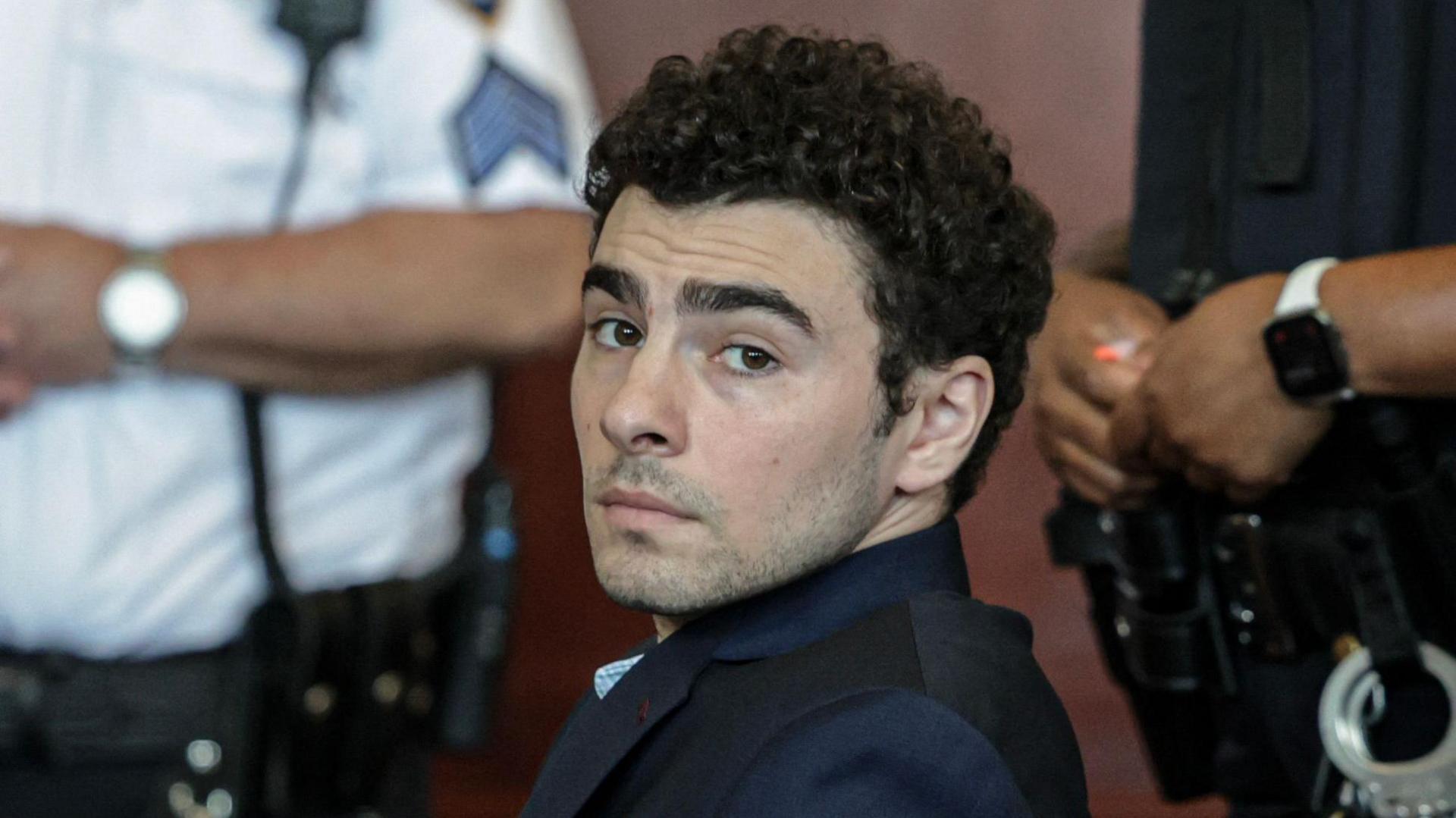
Luigi Mangione has admitted to killing UnitedHealthcare CEO Brian Thompson after pleading guilty to federal charges of interstate stalking resulting in death.
"I shot Mr. Thompson in Manhattan and he died," the 28‑year‑old former Hewlett‑Packard executive told Manhattan federal court on Friday.
Thompson, a 50‑year‑old father of two, was shot from behind on 4 December 2024 as he walked into a hotel in midtown Manhattan. Following the plea hearing, his family released a statement calling it "an important step toward justice for Brian and for our family".
Mangione faces a maximum sentence of life in prison. He also faces state charges, but his lawyers are seeking to dismiss those following his guilty plea.
Initially pleading not guilty, Mangione now pleads guilty to two federal counts. He admitted to planning the attack, crossing state lines with the intent to kill, and wielding a gun printed on a 3‑D printer with a silencer and a magazine.
He claimed his motive was his experience with the healthcare system after years of severe pain from a broken back, and that he had learned UnitedHealthcare would hold an annual investor conference in Manhattan December 2024. He traveled to New York for the event, reportedly emailing UnitedHealthcare posing as an investor and asking questions about the event.
"I emailed UnitedHealthcare with the intent to shoot Brian Thompson," Mangione said in his statement. "On the morning of Dec. 4, 2024 I shot Mr. Thompson in Manhattan in his back."
His sentencing in federal court is scheduled for 18 December. Prosecutors have recommended 24‑30 years in prison, although Judge Margaret Garnett said the decision is at her discretion and that the maximum is life, with no possibility of parole.
The state case has eight charges, including second‑degree murder, possession of a forged instrument, and six counts of criminal possession of a weapon. Mangione’s lawyers argue that the state case violates double jeopardy protection after his federal plea, but the Manhattan District Attorney’s office is prepared to proceed.
While the federal justice system holds responsibility, the family of the victim remains committed to seeking justice in both jurisdictions. The case underscores the legal complexities involved when federal and state prosecutions intersect over the same crime.