Heatwaves and Hunger Strikes: French Students Demand Climate‑Ready Classrooms
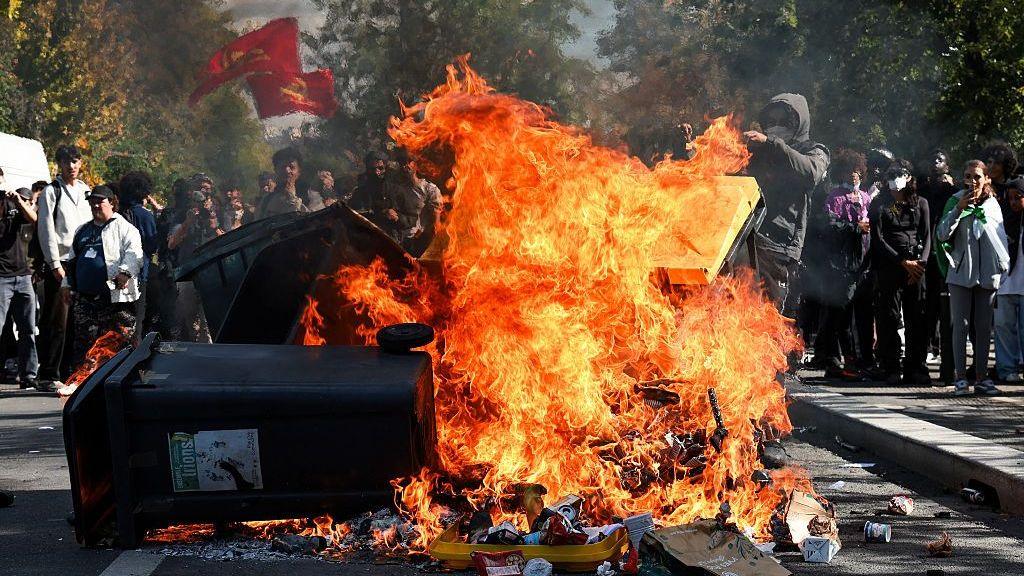
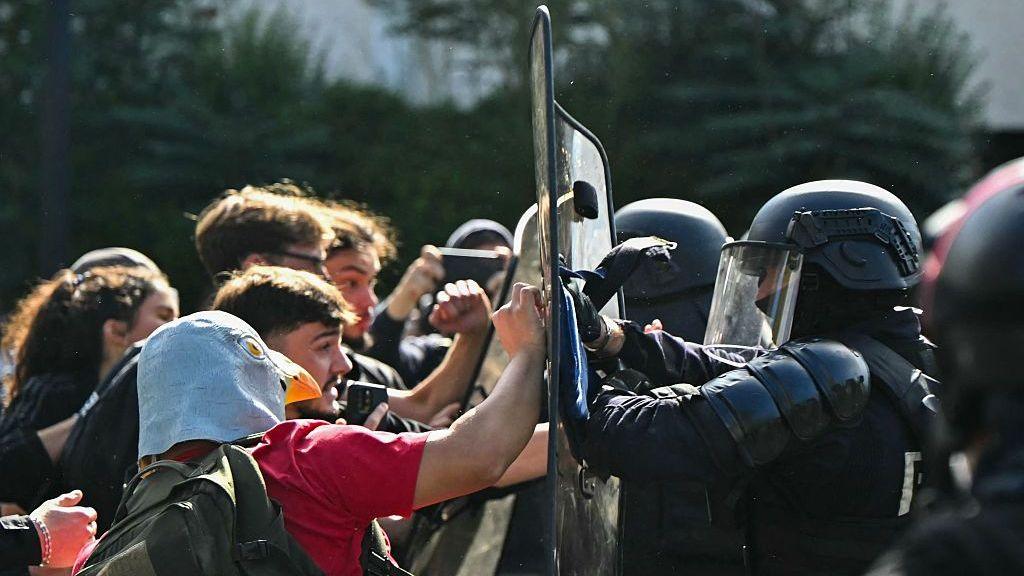
On October 2, 2026, a wave of French students surged onto schoolyards across the country, demanding an end to overcrowded classrooms, a shortage of teachers and, crucially, classrooms that no longer stay cool even when the air outside is at its peak.

The movement, which began over “a lack of teachers” in the Seine‑Saint‑Denis suburb of northern Paris, has now spread to 400+ lycées and several universities. According to Education Minister Édouard Geffray, 65 teachers – and 40 school principals – sustained injuries when a main hall in Nantes burned down, a stark illustration of how heat‑related stress can ignite violence when basic infrastructure is missing.
Heatwaves are no longer a seasonal forecast but a daily reality. The science is clear: without adequate insulation, ventilation or cooling, classrooms can reach dangerous temperatures that compromise learning, health and safety. French schools, many built before modern insulation standards, now look like tinderboxes when temperatures soar.
Prime Minister Sébastien Lecornu’s draft budget, released just before the protests, threatens an additional 54 bn € cut to public spending – a move that could deepen the gaping resource gap in schools. Experts warn that fiscal austerity, coupled with rising climate risks, will widen educational inequality and set the stage for further social unrest.
The protests also spotlight the broader political tug‑of‑war. The far‑left France Unbowed party (LFI) and presidential hopeful Jean‑Luc Mélenchon have positioned themselves as allies of the students, urging them to avoid violence but operating on a strategy that could leverage the unrest ahead of the upcoming elections. The tension between well‑meaning protests and political manipulation highlights the fragility of democratic processes when foundational institutions like schools are neglected.
From a climate‑action perspective, the crisis underscores the need for emergency planning that includes resilient, energy‑efficient school designs. Building retrofits – installing better insulation, passive ventilation, solar shading and green roofs – can drastically reduce inner‑tunnel temperatures, lower electricity use and provide a safer, more inclusive learning environment for the next generation.
As the protestors continue to block doors, their message echoes globally: climate change will not wait on the sidelines; it is already squeezing classrooms worldwide. The urgency lies not only in meeting the demands for immediate relief but in securing a future where schools are built to withstand the thermal stresses of a warming world. The path forward demands both political will and investment in climate‑resilient educational infrastructure.