In brief
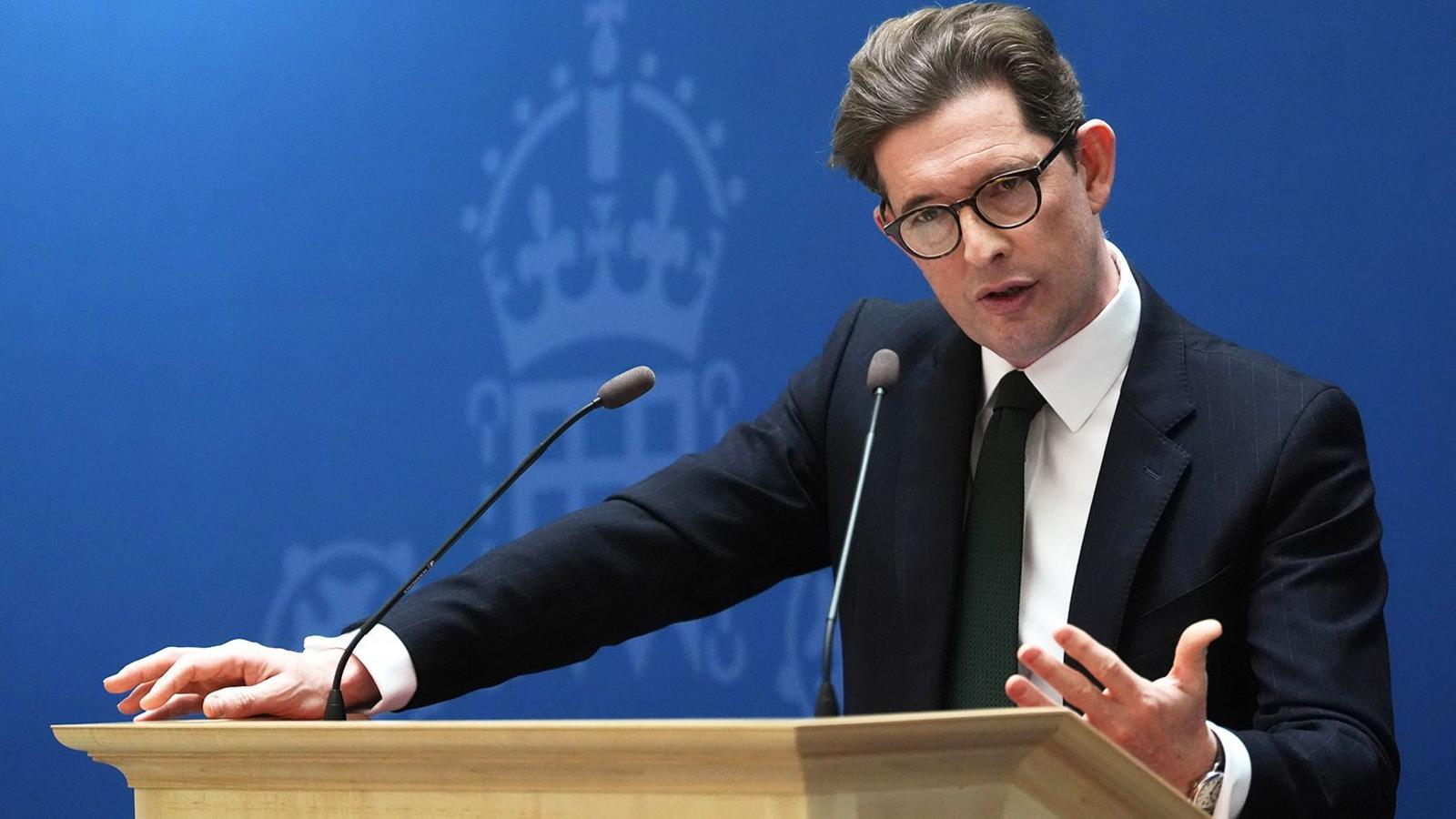
Sir Ken McCallum, chief of MI5, delivered an annual speech warning that Russian and Iranian hybrid operations have quadrupled over the last decade and that artificial intelligence is supercharging both cyber‑conflict and extremist propaganda. He highlighted the growing dangers of AI‑driven bioweapons and drone swarms, calling the UK intelligence community’s AI Threat Assessment Centre "unprecedented." McCallum’s remarks come at a time of heightened focus on safeguarding climate‑sensitive sites such as research stations and green‑energy facilities, prompting questions about the resilience of environmental innovation to state‑sponsored and extremist disruption.
Hybrid warfare now threatens climate‑science infrastructure
Sir Ken McCallum, MI5’s head, warned that Russia and Iran are quadrupling state‑sponsored attacks that blend cyber‑shadows, sabotage and disinformation. The focus of the warning, however, was that artificial intelligence is now “super‑charging” these campaigns, offering extremist and state actors new tools to target climate‑sensitive sites—research laboratories, coastal monitoring stations, and green‑energy projects—where privacy and operational security are already stretched thin.
AI‑driven bioweapons: a new frontier for extremist terror
McCallum named the misuse of AI to refine or create bioweapon kits as a “real” threat, hinting that future attacks could bypass traditional bio‑security measures. He noted that the UK intelligence community is already collaborating with the AI Security Institute to model possible AI‑enhanced weapon timetables, a process that the climate sector could adopt to anticipate sabotage or data manipulation that might mislead climate projections.
Intelligence installs AI Threat Assessment Centre
The new centre aims to sift “bluster from reality” about AI dangers. By prioritising civil‑technology overlaps, the agency hopes to advise defence and environmental bodies on safeguarding open‑source climate data from machine‑learning‑driven manipulation or deep‑fakes that could influence policy decisions.
Drones and the new “eye in the sky” over tidal farms
McCallum disclosed MI5’s capture of extremist groups seeking to integrate AI into unmanned aerial vehicles. The same technology is increasingly used to monitor offshore wind farms and marine conservation areas, raising the spectre that a rogue actor could launch coordinated drones to disrupt tidal turbines or steal proprietary ecological data.
Extremism and climate‑vulnerability: a growing nexus
The spy chief alleged that extremist narratives—whether far‑right or cross‑sectarian—are turning increasingly to climate rhetoric, framing environmental changes as existential threats that justify violent action. MI5’s heightened surveillance of anti‑immigration discourses now includes a climate‑based filter to identify radicalised profiling that could spark on‑ground attacks at renewable‑energy sites or in ecologically sensitive regions.
A call for cross‑sector resilience
In the aftermath of a broken arm, McCallum urged government agencies to coordinate with the private sector on securing cyber‑physical assets in the climate portfolio. The intersection of AI, cyber‑security and environmental stewardship will be the linchpin for shielding the world’s climate research and green‑infrastructure from state and extremist harm.