In brief
As President Trump’s trade actions dominate the political debate, Canada's election hinges on candidates' strategies to safeguard the economy.
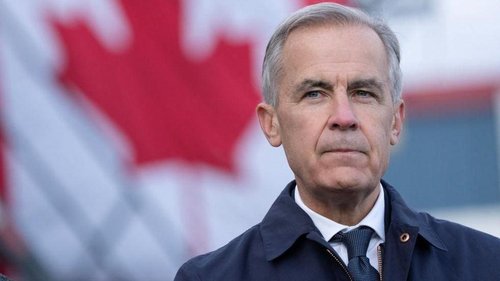
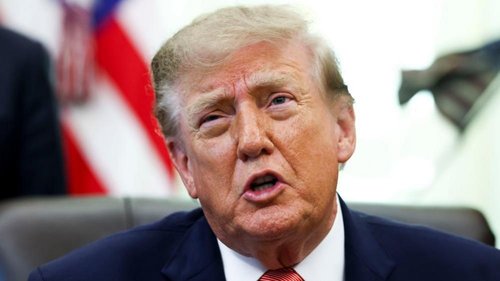
In an election heavily influenced by President Trump's contentious trade policies, Canadians are set to choose a new leader today. With tariffs reshaping the landscape and Trump's controversial proposals stirring national sentiment, voters will determine whether Prime Minister Mark Carney from the Liberal Party or Conservative leader Pierre Poilievre can effectively navigate tense U.S.-Canada relations.During the lone English-language debate prior to the vote, the issue of how to converse with the Trump administration dominated the conversation. Carney, just a month into his tenure as Prime Minister, emphasized the need for a strong negotiating position. “The initial strategy must be one of strength,” he asserted.Both candidates have adopted a firm stance against Trump’s trade measures, which have incited a wave of patriotism among Canadians and fostered growing animosity towards the United States, their largest trading partner. In contrast to Mexico's conciliatory approach, both Carney and Poilievre have pledged to respond assertively.Their campaign strategies include retaliatory tariffs, with Carney advocating for a strengthened tariff regime to protect Canadian workers and industries. Poilievre shares this belief, insisting that these tariffs must be deployed to deter ongoing U.S. aggression. Canada has responded to American tariffs—25 percent levies on key sectors such as autos, steel, and aluminum—by implementing tariffs estimated to cumulatively raise about 38 billion Canadian dollars annually.Carney’s strategies also outline diversifying Canada’s trading partners, most notably by strengthening ties to Britain and Europe. His recent visits underscore a shift toward seeking new markets amidst the ongoing challenges imposed by U.S. tariffs. Meanwhile, Poilievre is focused on infrastructure projects, advocating for the development of pipelines to support energy exports to Europe.Significantly, Carney has suggested a goal of creating an all-Canadian parts manufacturing network to reduce reliance on U.S. supply chains, although specifics of this plan remain vague. While both contenders possess distinct experiences—Carney with his background in finance and economics, and Poilievre’s long-standing political career—neither has provided robust details on their proposed trade tactics.Polls indicate a slight lead for the Liberal Party over the Conservatives, yet it appears that Carney may secure a formidable majority in Parliament after the votes are counted. The outcome will not only dictate Canada's domestic agenda but also shape its economic identity in a changing global trade environment dominated by U.S. policy decisions.