In brief
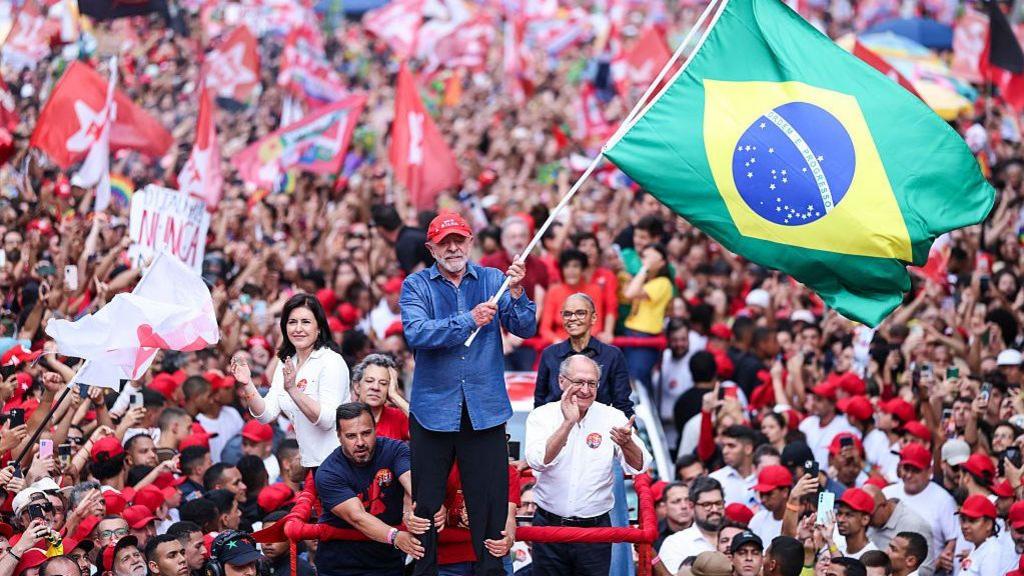
Lula defeats his right‑wing rival in a decisive victory that revives Brazil’s climate agenda. In his inaugural speech, he pledges to slash deforestation by 90% by 2030 and steer the country’s rare‑earth reserves toward clean‑tech applications. Despite lingering tension with Washington over trade and political rhetoric, Lula’s administration moves to strengthen partnerships with Indigenous communities, UN climate funds, and NGOs to embed sustainable practices at the heart of Brazil’s economic future. The outcome places Brazil at the center of the world’s path to a low‑carbon economy, offering an alternative model for Latin America’s environmental leadership.
The former union leader’s win over the younger Flávio Bolsonaro signals a shift away from the Trump‑aligned right‑wing coalition that has shaped Latin America’s approach to climate policy.
In his victory speech Lula declared: "Brazil will not succumb to foreign pressure … we will protect the Amazon, the heart of our climate resilience."
Stated policies include a plan to cut deforestation by 90 % by 2030, re‑introduction of the Amazon Fund, and a new partnership with the UN Climate Facility to finance sustainable agro‑forestry.
While the U.S. has pressed for tighter trade relations, Lula’s stance on Brazil’s rare‑earth mineral reserves—critical for batteries and green cars—keeps the country at the forefront of clean‑tech supply chains.
Relations with Washington are now testing as Trump still brandishes the "rigged" narrative, but Brazil’s new government is pledging transparent, science‑based engagement on climate.
With the world’s second‑largest reserves of rare‑earth elements, Brazil can accelerate its role in the global shift to renewable energy, making Lula’s return a turning point for sustainable futures across Latin America.
Furthermore, Lula’s administration is working with Indigenous communities and NGOs to embed traditional knowledge into forest management, thereby ensuring that conservation projects are locally driven and socially just.
These steps position Brazil as a green leader – a status that will reinforce international cooperation and meet the commitments of the Paris Agreement.
As the planet looks to expand green tech ecosystems, Lula’s re‑elected presidency emphasizes that real progress must run hand‑in‑hand with sovereignty and ecological stewardship.