The Gilgo Beach killings case appears to be drawing to a close as Rex Heuermann is set to plead guilty on Wednesday. This decision marks a significant development in a case that has troubled investigators and left families of the victims yearning for justice for years.
Heuermann, aged 62, has been charged with the murders of seven women, primarily sex workers, over a span of 17 years. If he follows through with the guilty plea, he is expected to remain imprisoned for the rest of his life.
Details of Heuermann's plea have been disclosed by anonymous sources, even before it has officially been recorded in court. The local District Attorney, Ray Tierney, has arranged a press conference to provide further insights following the morning court proceedings, alongside members from the victims’ families and the investigative task force who played a crucial role in solving the case leveraging DNA evidence.
The Gilgo Beach investigation gained traction in 2010, when multiple sets of human remains were discovered along an isolated beach highway in Long Island, igniting the search for a possible serial killer that captured public attention across the globe.
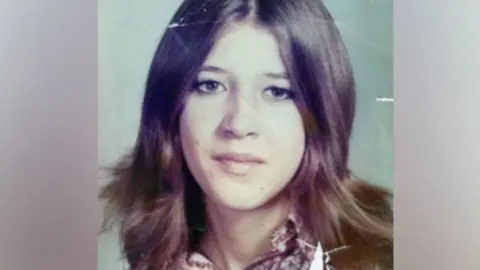
Through meticulous DNA testing and other investigative techniques, authorities identified the victims, with some connections being made to remains discovered in earlier years. Among six of the victims whose remains were located near Gilgo Beach were Melissa Barthelemy, Maureen Brainard-Barnes, and Amber Lynn Costello, while another victim's remains surfaced over 60 miles away in the Hamptons.
Despite the widespread media coverage—including a documentary series and a Netflix film titled “Lost Girls”—the investigation faced ups and downs for over a decade until a new task force was established. Heuermann emerged as a suspect following a grand jury's research that traced a witness' report pointing to a pickup truck registered in his name, noted to be in the vicinity when one of the victims went missing.
Evidence gathered revealed Heuermann's troubling online searches and a pattern of contact with victims right before their disappearances. Detective work eventually unveiled definitive DNA links that led to Heuermann's arrest in July 2023 after he inadvertently discarded personal DNA into a public trash bin.
Authorities then embarked on extensive searches of his home, uncovering mountains of evidence including weapons and disturbing notes that detailed potential schemes related to the murders. The arrest and forthcoming guilty plea not only aim to provide justice for the victims' families but also highlight a pivotal shift in how forensic technology aids law enforcement in solving long-standing cold cases.