HARRISBURG, Pa. (ECOSPHERE) — The journey toward justice took a significant turn for Subramanyam Vedam on Thursday when a judge opened the door for his potential release after a murder conviction that had kept him incarcerated for over 40 years was overturned.
During a four-hour hearing, Vedam reiterated his long-standing claim of innocence regarding the 1980 death of Thomas Kinser, whom he knew when they were teenagers. The hearing took place remotely while Vedam was located at the Moshannon Valley Processing Center in Pennsylvania.
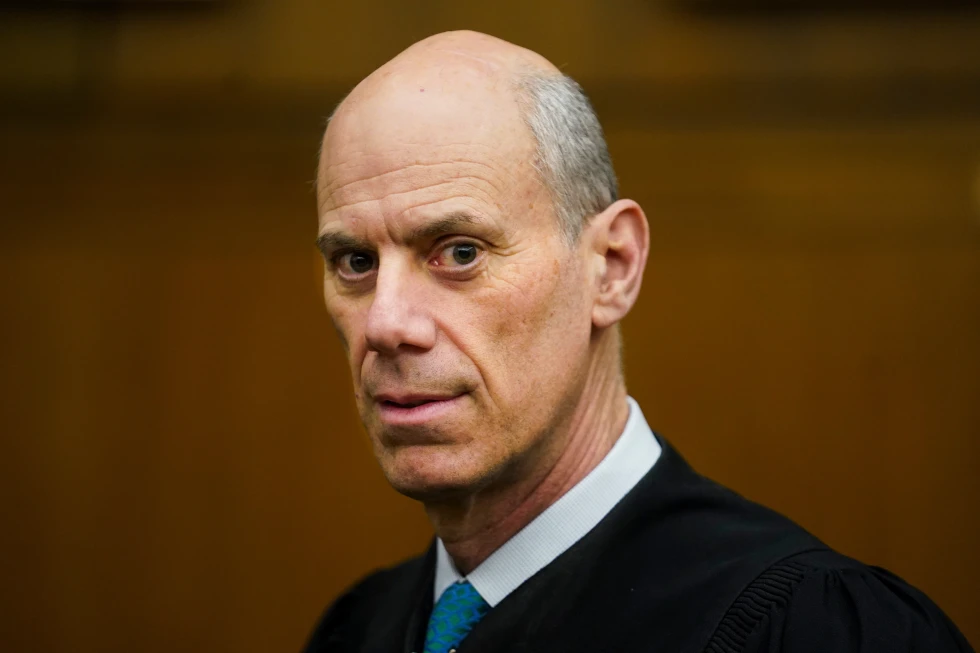
Judge Adam Panopoulos acknowledged Vedam's remarkable transformation and rehabilitation during his incarceration, highlighting his efforts in inmate education and his strong family bonds, particularly with his nieces who have known him only as a prisoner.
Described affectionately as Subu, Vedam was brought to the U.S. from Mumbai, India when he was merely nine months old. Unfortunately, his legal permanent residency faced challenges after he found himself in trouble with the law, just days before achieving naturalized citizenship.
DHS Faces Deadline
The Department of Homeland Security has a month to appeal the judge's decision, and Vedam’s attorney, Ava Benach, is eager to secure his release on bond. The 64-year-old hopes to move to Sacramento, California to live with relatives and has even received an offer to join a doctoral program at Oregon State University, a testament to his desire for academic and personal growth.
Last fall, the State College prosecutor opted not to retry Vedam based on new revelations about critical ballistics evidence that had been previously withheld.
Through it all, Vedam has remained steadfast in proclaiming his innocence. I never stopped saying I was innocent of this charge, he shared during the recent hearing.
From being a high school friend of Kinser, to the harrowing circumstances surrounding Kinser's demise nearly nine months after he went missing, the case is riddled with emotional complexity and legal controversy. While Vedam was convicted of murder based on circumstantial evidence, the passage of 44 years and evolving narratives have led many, including the presiding prosecutor, to reflect on the fairness of continuing the pursuit of justice in this case.
Despite recent progress, Vedam's past legal challenges include drug distribution convictions that could still jeopardize his status in the United States, highlighting the intricate intersection between rehabilitation, justice, and immigration policy in America.