In brief
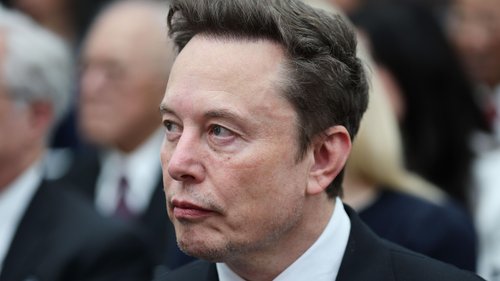
Elon Musk held a live interview with Alice Weidel, co-leader of the far-right Alternative für Deutschland party, sparking debates over his influence in German politics as well as the controversial stances of the party.
Elon Musk has taken a bold step into European politics by hosting a live chat with Alice Weidel, the co-leader of Germany's far-right party Alternative für Deutschland (AfD). The conversation, which lasted 74 minutes, tackled a range of topics including Germany's energy policy, bureaucratic inefficiencies, Adolf Hitler, and more existential questions about life. It marks Musk's latest controversial intervention in politics as he directly urged the German electorate to support the AfD in the upcoming elections.Amidst claims of meddling in the German snap elections, Musk’s interview served as a potential platform for Weidel to reach a broader audience through his social media initiative. Throughout the conversation, Weidel expressed her party's views as "conservative" and "libertarian," even while mainstream media depicts them as extremist. This narrative is reinforced by official assessments of the AfD as harboring elements of far-right extremism.The dialogue included surprising turns, notably Weidel's assertion that Hitler should be viewed as a "communist" rather than a conservative figure, despite the prevailing anti-communist rhetoric of the Nazi regime. They also discussed Germany’s controversial decision to abandon nuclear energy as well as touched on themes of free speech and taxation.As the AfD continues to gain traction in opinion polls, Musk has intensified speculation about his support for the party. Despite their rising influence, the AfD is expected to struggle for power due to a coalition of other parties that refuse to collaborate with them. However, Musk has hailed Weidel as a promising candidate for leadership in Germany and justified his interest in Germany through his investments, such as the large Tesla factory near Berlin. This intervention has rattled some leaders in Germany, who have expressed concerns over Musk's influence and the spread of misinformation. As the country gears up for its next federal election on February 23, the implications of this alliance between Musk and Weidel may be significant for the German political landscape.