In brief
Firefighters in the Czech Republic have successfully contained a large fire caused by a freight train derailment that involved benzene, a known carcinogen. The incident occurred near Hustopeče nad Bečvou and has drawn significant attention from local authorities and environmental agencies.
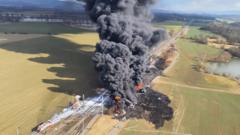
On Friday, a freight train carrying the hazardous chemical benzene derailed, leading to a massive fire that engulfed several tankers and a locomotive. Firefighters from multiple regions were deployed, along with a mobile chemical lab, to manage the emergency. Eyewitnesses reported flames reaching up to 20 meters high and a thick plume of black smoke visible from several kilometers away. Thankfully, no injuries have been reported as a result of the incident, which unfolded approximately 50 kilometers from the Polish border. Railway officials indicated that the train had “split apart” before the derailment occurred. An electric substation nearby caught fire, causing a power outage in the town of Hustopeče. Firefighters utilized heavy foam to contain the flames and prevent further explosions, while also hosing down other tankers. Drone footage captured the severe damage and ongoing fear of chemical contamination as thick smoke billowed into the atmosphere. Officials estimate that approximately 15 out of the 17 benzene tanks on board were affected by the fire.Described as a highly volatile substance, benzene poses significant health risks, including the potential for cancer and respiratory issues. The train was transporting an estimated 60 tonnes of the chemical per tanker, raising alarms about the impact of any leaks. Although air quality monitoring has not indicated immediate danger to residents, officials have advised locals to remain indoors and sealed off windows and doors as a precaution.As investigations into the cause of the derailment continue, damages have been estimated at around 125 million Czech koruna (£4.1 million). With benzene being a common component in products like plastics, solvents, and fuels, the situation raises crucial questions about transportation safety and environmental protections in the region.