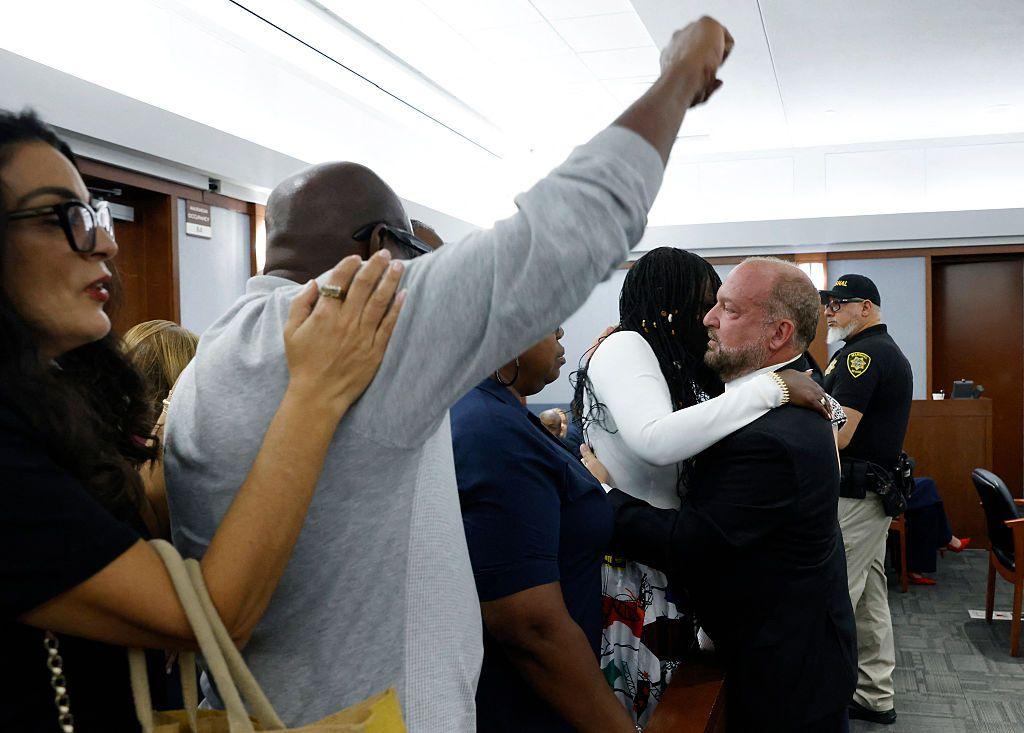
The Victorian Court of Appeal heard on Wednesday that Erin Patterson’s conviction for murdering three relatives and attempting a fourth with a beef Wellington laced with death‑cap mushrooms may be voidable. Her lawyers argued that a catastrophic hotel mix‑up—where jurors stayed in proximity to the prosecution team, a key police witness and journalists—undermined the integrity of the verdict.
Patterson, 51, is serving a life sentence for murders committed at her home in 2023. The appeals court’s decision could set a precedent for future cases where procedural errors blur the line between justice and its appearance.
A pivotal part of the prosecution’s case was data from the citizen‑science platform iNaturalist. Two sightings of death‑cap mushrooms near Patterson’s hometown were reported. Prosecutors suggested that her phone connected to cell towers near those sites, implying she sought the poisonous fungi. The defence contended that such evidence was speculative and that they had no proof Patterson accessed or even saw the iNaturalist posts.
The connection to iNaturalist raises an environmental concern: as temperatures rise and precipitation patterns shift, the geographic reach of toxic fungi expands. Citizen‑science data becomes a vital early warning system for public health, but it also demonstrates the need for strict legal safeguards when such data inform serious criminal allegations.
The appeal court also addressed Facebook messages Patterson sent months before the deadly lunch, alleging hostility towards her estranged husband and his parents. The defence argued these messages were irrelevant to the crime and should not have been admitted.
While the court hovers over these technical disputes, Victoria’s Director of Public Prosecutions is challenging the sentence itself, claiming a 33‑year parole period is “manifestly inadequate” for such crimes. The question of whether a fixed parole period should be set touches on broader debates about life‑sentence policy and criminal justice reforms.
Beyond the legal intricacies, this case illuminates a growing intersection of climate, biodiversity, and human safety. As global changes alter fungal ecosystems, the line between everyday life and lethal toxins can blur, demanding better integration of environmental monitoring and judicial prudence.
Patterson will remain in custody awaiting a final decision, which could take many weeks. The outcome will influence how future courtrooms handle science‑based evidence and ensure that ecosystems and legal systems are aligned to protect public welfare.