In brief
India’s Tata Group, known for its long‑standing commitment to sustainable business, faces a new crisis as its board and principal shareholders clash over leadership and a proposed public listing. The disagreement, centred on the re‑appointment of chairman N Chandrasekaran and the future of Tata Sons, has exposed misalignments between governance and the group’s philanthropic ethos. While the brand’s core products—from salt to software—remain trusted, stakeholders worry that internal conflict could dilute the group’s climate and social responsibility agenda. Experts warn that governance stability is critical for the Tata Group to continue delivering on its environmental targets and to maintain the trust that underpins its market leadership.
Before dawn breaks over Mumbai, Mansi Kadam stirs a pot of vada pav, the city’s favourite snack, insisting that the only acceptable salt is Tata’s. Her loyalty mirrors the brand’s enduring presence—from salt bags on roadside stalls to cutting‑edge software firms. Yet behind the kitchens, a quiet storm brews in the Tata Group’s boardroom, threatening to shake the foundation of India’s most respected conglomerate.
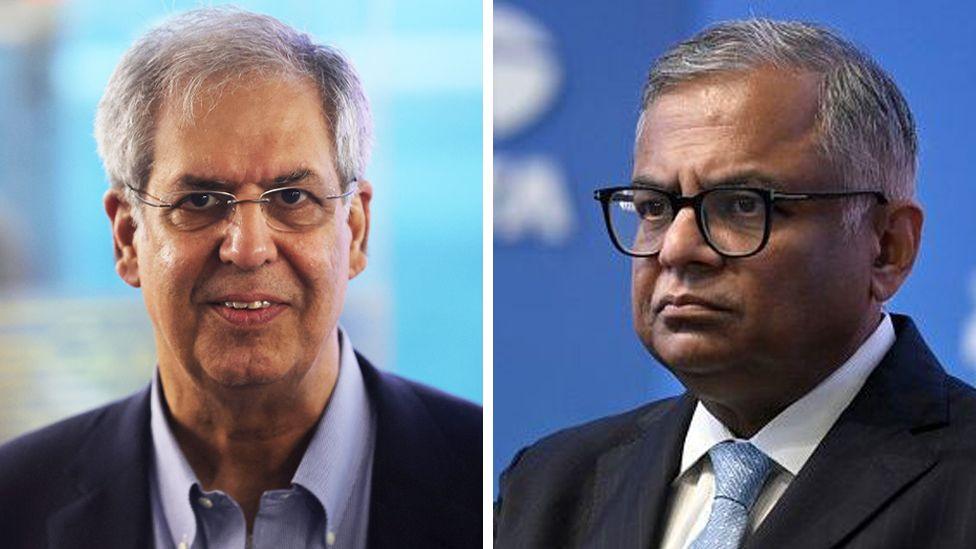
The crux of the dispute lies in two decisions: the proposed public listing of Tata Sons and the re‑appointment of N Chandrasekaran as chairman. While most of the board and its minority shareholder, the SP Group, backed the moves, Noel Tata—chairman of Tata Trusts, the group's majority shareholder—rejected both, arguing that a listing could erode the group’s philanthropic DNA and that continuity in leadership is essential for sustaining long‑term social goals.
Industry analysts note that Tata’s resilience to past controversies—ranging from telecom spectrum allocations to its foray into premium automobiles—has been inseparable from its reputation for responsible governance. The current conflict, however, threatens that narrative. “A governance crisis can misalign the interests of those steering the group and those who wield its power of influence, especially in the climate and sustainability space,” says Shriram Subramanian, head of independent corporate governance research.
If the Tata Group loses public confidence, its ambitious environmental programmes could lose momentum. The conglomerate has pledged to maintain net‑zero emissions by 2050, invest in renewable energy, and support rural communities through sustainable agriculture. These initiatives depend on a steady hand at the helm.
Despite the turmoil, Tata’s brand remains largely untouched in the consumer eye. Yet the divide between Tata Trusts and Tata Sons could polarise partners, investors, and employees, turning a once seamless narrative of ethical business into a battleground of corporate politics.
The resolution will not only determine who controls India’s flagship conglomerate but may also set a precedent for how corporate governance intersects with climate strategy in emerging markets. In a country where environmental accountability is increasingly tied to brand equity, Tata’s next move could signal a new era for responsible capitalism in Asia.