In brief
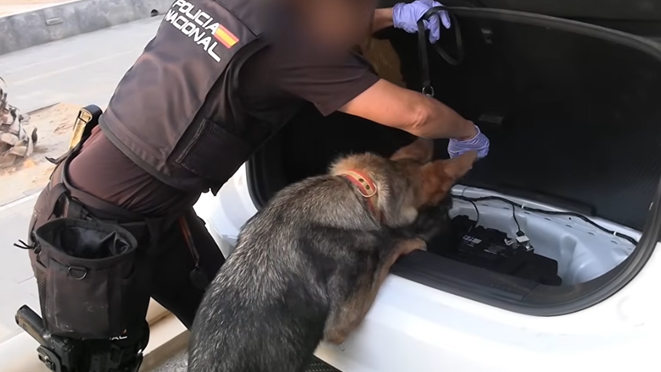
In a coordinated raid across Spain and Algeria, police arrested 78 suspects linked to the western Mediterranean’s biggest smuggling network. The group moved synthetic drugs and firearms from Spain and Portugal to Algeria, then used the return journey to ferry migrants and weapons to Ibiza and mainland Spain in so‑called “ghost speedboats”. Seized assets included 18 fast vessels, 15,000 MDMA tablets, firearms, and €25,000 in cash. The operation illuminated the dual‑flow logistics of the cartel and underlined the environmental risks posed by these unregistered, high‑speed vessels. The crackdown highlights the need for cross‑border cooperation against maritime crime that endangers human life and coastal ecosystems.
Busting a Dual‑Flow Smuggling Empire
Spain and Algeria police dismantled one of the western Mediterranean’s largest criminal smuggling networks on 7 August 2026. 78 people were arrested during raids that spanned 17 locations in Spain – including Alicante, Almería, Cartagena and Murcia – which uncovered a complex web that trafficked drugs, weapons and migrants across the region.
The network’s original focus on synthetic drug trafficking – notably MDMA – gradually evolved into a dual–flow enterprise that also moved firearms and explosives. Its looms stretched from Spanish and Portuguese ports to Algeria, where the gang used “ghost speedboats” to conduct rapid maritime transfers before handing over cargoes or migrants near the Spanish coastline.
Unregistered Vessels: A Maritime and Environmental Hazard
These speedboats, designed to evade registration and detection, are prohibited in Spain. Their sleek hulls, high engine power and lack of safety equipment markedly increase the risk of marine pollution and accidental collisions with fishing boats and other maritime traffic. Environmental groups have warned that such illegal vessels amplify physical and chemical disturbances to sensitive coastal ecosystems, while also contributing to unchecked maritime trafficking that threatens human safety.
Seized Assets and Monetary Gains
- 18 high‑speed vessels valued at €5 million (£4.2 million)
- Firearms and explosives
- More than €25 000 (£21 400) in cash
- 15 000 MDMA pills
- Satellite phones, GPS devices and encrypted communication tools
Investigators estimate that profit from migrant smuggling alone exceeded €24 million (£20 million), with charges up to €12 000 (£10 200) per person. In one trip, the gang could transport over 50 migrants, often in overcrowded boats lacking life jackets or lighting, for a reported total travel fee that contributes to the cartel’s revenue.
Human Cost and Border Infiltration
Migrants were frequently subjected to sexual assaults, physical abuse and inhuman conditions during transit. The network’s activities coincide with a surge of roughly 78,000 migrants who fled into Ceuta, Spain’s North‑African exclave, following online rumours of an open border. The incident heightened concern over the dual pressures on migration flows and coastal boundary security.
International Cooperation and Future Challenges
The smuggling ring’s links spanned criminal groups across France, Belgium, Portugal, Italy and Poland, underscoring the transnational nature of maritime crime. Europol’s statement highlighted that the cartel facilitated the movement of illicit goods and people across the western Mediterranean, and that the coordination of multiple trafficking flows was a key factor in its scale.
This bust demonstrates the importance of coordinated law‑enforcement efforts, improved maritime surveillance and stronger regulatory frameworks to curb the exploitation of unregistered vessels. Protecting maritime infrastructure and coastal communities requires addressing both the human and environmental toll of illicit networks.